



Classic White Cake Wedding Cupcakes
Every celebration has a dessert that guests remember long after the last plate has been cleared. Sometimes it’s an elaborate layer cake covered in sugar flowers, but more often it’s something much simpler, a perfectly baked cupcake with a soft, delicate crumb and a generous swirl of creamy frosting. These Classic White Cake Wedding Cupcakes capture everything people love about a traditional wedding cake while offering the convenience of an individually portioned dessert that’s easy to serve, display, and enjoy.
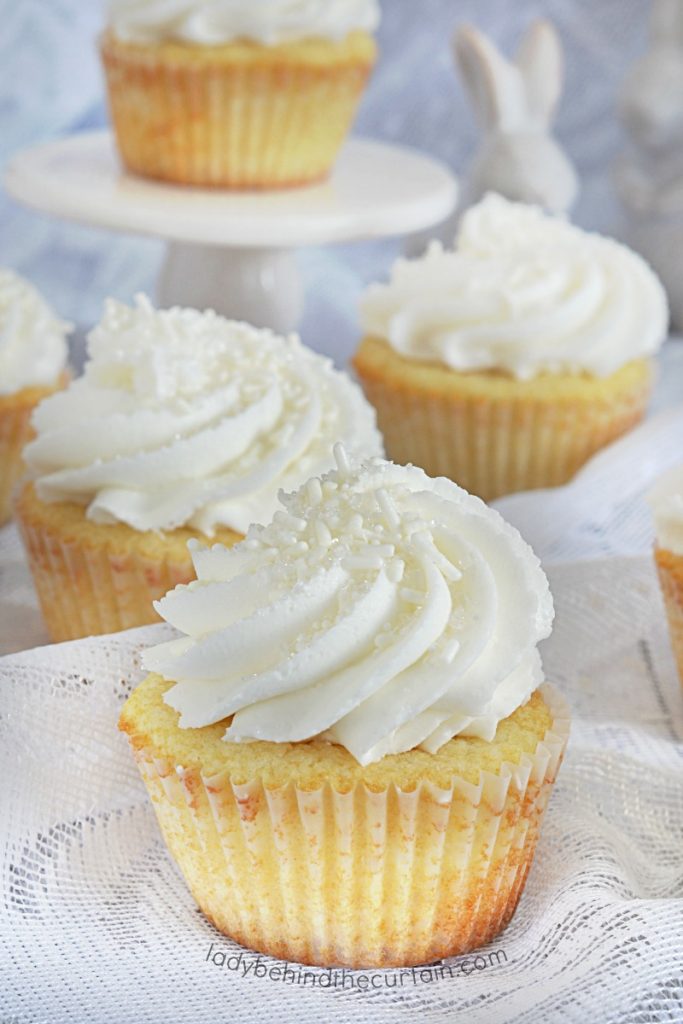
Their elegant appearance makes them feel right at home at weddings, bridal showers, anniversaries, baby showers, baptisms, and holiday dessert tables. Yet they’re just as welcome at a family birthday party or Sunday dinner. That’s the beauty of a classic white cupcake. It never goes out of style because its appeal isn’t based on trendy flavors or elaborate decorations. Instead, it delivers the comforting taste of buttery vanilla cake wrapped in a light, tender crumb and topped with smooth bakery-style frosting.
What I love most about this recipe is that it doesn’t just look like it came from a bakery; it bakes like one too. The cupcakes rise evenly, stay moist for days, and have that signature wedding cake flavor so many of us remember from special celebrations. Even the frosting has the smooth texture decorators look for when piping beautiful swirls.
Throughout this post, I’ll show you why these cupcakes turn out so light, what gives them their bakery-quality texture, how to avoid common baking mistakes, and even share a little history behind the classic white wedding cake. By the time you reach the recipe card, you’ll understand not only how to make these cupcakes, but why each technique works. That’s the difference between simply following a recipe and baking with confidence.
What Makes White Wedding Cupcakes Different?
At first glance, white cupcakes and vanilla cupcakes look almost identical. They’re both lightly flavored, frosted with vanilla icing, and often decorated in similar ways. It’s easy to assume they’re simply two names for the same dessert.
They’re not. A true white cake is intentionally designed to be lighter in both color and texture than a traditional vanilla cake. Instead of using whole eggs, white cakes rely on egg whites to create their signature snowy crumb. That simple change removes the richness and yellow color contributed by the yolks while producing a cake that’s noticeably softer and more delicate.
The flavor is different, too. White wedding cake isn’t meant to compete with chocolate, caramel, or fruit desserts. Its charm comes from subtlety. The buttery vanilla flavor is gentle, clean, and elegant, allowing the frosting to become part of the overall experience instead of overpowering the cake beneath it. It’s one of the reasons white wedding cake has remained popular for generations. Rather than chasing bold flavors, it focuses on creating a dessert that’s universally loved.
Texture also plays a major role. Wedding cupcakes should feel light enough to enjoy after a large meal while still being rich enough to feel like a special occasion dessert. That’s why you’ll often notice that bakery wedding cakes seem almost fluffy compared to homemade birthday cakes. Achieving that delicate crumb isn’t an accident—it’s the result of carefully chosen techniques that work together to create a lighter cake.
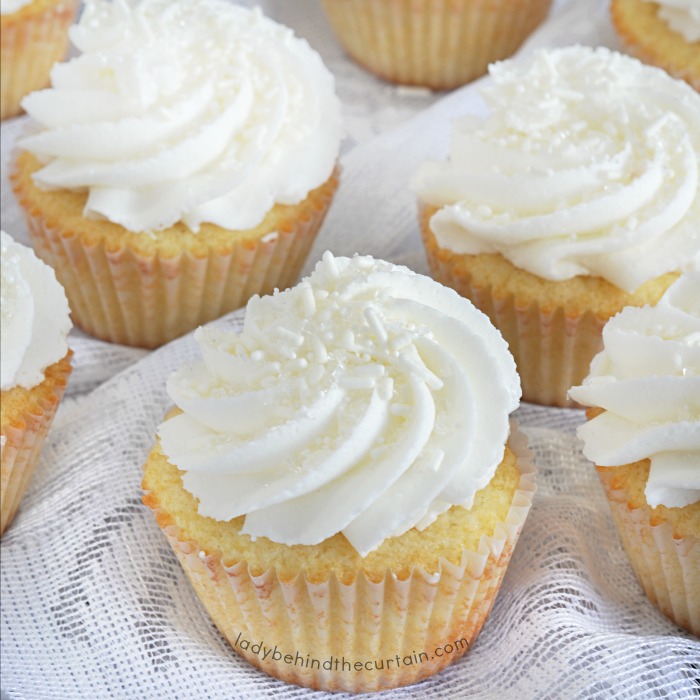
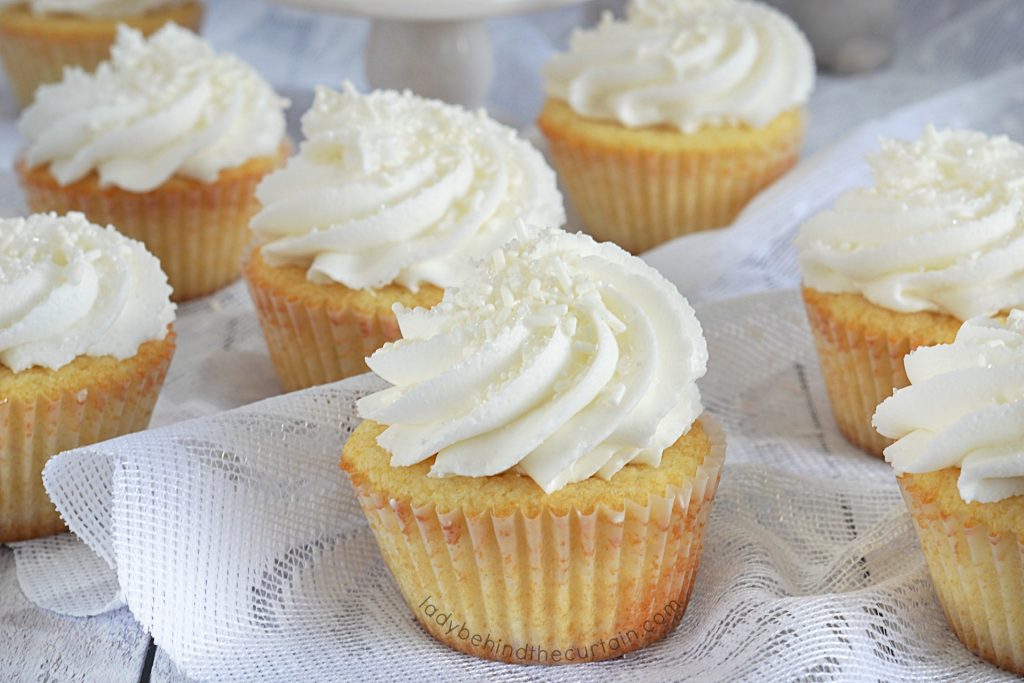
These cupcakes capture that same bakery-style experience. Each bite is soft without being crumbly, moist without feeling heavy, and sturdy enough to hold a generous swirl of frosting while remaining tender enough to practically melt in your mouth.
BEHIND THE CURTAIN: When I’m creating desserts for weddings or bridal showers, I almost always choose white cake over yellow cake. It photographs beautifully, complements every color palette, and gives guests a classic flavor they instantly recognize. Sometimes the simplest choice ends up being the one everyone talks about.
Why Has White Wedding Cake Been a Tradition for So Long?
Long before towering wedding cakes became the centerpieces we know today, white cake represented something few families could easily afford: refined ingredients.
During the nineteenth century, producing bright white flour and highly refined white sugar was an expensive process. Most home bakers worked with less-refined ingredients that produced darker, heartier baked goods. A brilliantly white cake required premium flour, refined sugar, and careful preparation, making it a luxury reserved for life’s biggest celebrations.
Serving a white cake became a symbol of elegance, prosperity, and celebration. The color itself also carried meaning. White has long represented purity, new beginnings, and hope, making it a natural choice for weddings. Over time, the tradition became so deeply rooted that many couples continued choosing white cake simply because it felt timeless.
Today’s white wedding cakes aren’t about showing wealth—they’re about honoring a tradition that has lasted for generations. While modern weddings feature every flavor imaginable, from salted caramel to red velvet, classic white cake continues to be one of the most requested choices in bakeries across the country.
Its popularity isn’t based on nostalgia alone. White cake pairs beautifully with fresh berries, citrus fillings, buttercream, whipped frostings, chocolate decorations, and nearly every wedding color scheme imaginable. That versatility explains why it has remained relevant while so many dessert trends have come and gone.
Wow! I Never Knew That!
The white color of traditional wedding cake wasn’t originally chosen just because it looked pretty. More than a century ago, it quietly showcased the baker’s skill and the family’s ability to serve expensive, highly refined ingredients. What began as a symbol of luxury eventually became one of the most recognizable traditions in wedding baking.
The Science Behind Whipped Egg Whites
If you’ve ever bitten into a slice of wedding cake and wondered why it feels so much lighter than an ordinary vanilla cake, the answer begins long before the batter goes into the oven. One of the biggest differences is the use of whipped egg whites.
Unlike many cupcake recipes that simply mix whole eggs into the batter, this recipe takes an extra step by whipping the egg whites until they form stiff peaks before gently folding them into the cake batter. It may seem like a small detail, but it’s one of the techniques that transforms a good cupcake into one with the delicate texture people associate with bakery wedding cakes.
Egg whites are made up primarily of water and proteins. When they’re beaten, those proteins begin to unfold and surround tiny pockets of air. With every pass of the whisk, thousands more air bubbles are created until the whites become a stable foam.
As the cupcakes bake, those tiny air bubbles expand from the heat inside the oven. At the same time, the proteins firm up around each bubble, creating a network that supports the cake as it rises. Instead of producing a coarse, heavy crumb, the finished cupcake has an incredibly fine texture that’s soft enough to melt in your mouth while still being sturdy enough to hold a generous swirl of frosting.
WOW! I NEVER KNEW THAT!
Egg whites can expand to six to eight times their original volume when whipped. Those millions of tiny air bubbles become part of the cupcake’s structure, giving white cake its signature light and tender crumb.
Why Stiff Peaks Matter
Not all whipped egg whites behave the same way. Their appearance changes as more air is incorporated, and each stage serves a different purpose in baking.
For these cupcakes, you’re looking for stiff peaks. When you lift the whisk from the bowl, the peak should stand tall without folding over. This stage provides enough strength to support the batter while still blending smoothly during folding.
If the whites are under-whipped, they won’t contain enough air to noticeably lighten the cupcakes. If they’re whipped too long, the proteins tighten so much that the foam becomes dry and grainy. Instead of helping the batter rise, overbeaten whites can actually make the finished cupcakes denser.
Understanding Egg White Stages
| Stage | Appearance | Best Use |
|---|---|---|
| Foamy | Large bubbles with little structure | Beginning stage of whipping |
| Soft Peaks | Peaks gently curl over | Meringues, soufflés, chiffon cakes |
| Stiff Peaks | Peaks stand straight when the whisk is lifted | White cakes, angel food cake, these cupcakes |
| Overbeaten | Dry, grainy, clumpy appearance | Difficult to fold; volume begins to collapse |
Learning to recognize these stages is one of those baking skills that pays off in recipe after recipe.
Folding Is More Important Than Mixing
Once you’ve created all of that beautiful volume, your next job is protecting it.
This is where many bakers accidentally undo their hard work. Stirring the whipped egg whites into the batter may seem faster, but it quickly breaks apart the tiny air bubbles that give the cupcakes their lift.
Instead, use a rubber spatula to gently fold the egg whites into the batter. Cut down through the center, scrape across the bottom of the bowl, then lift the batter up and over the egg whites. Rotate the bowl slightly and repeat until everything is just combined.
Don’t worry if you still see a few white streaks during the first several folds. They will disappear naturally as you continue folding. The goal isn’t speed—it’s preserving as much air as possible.
BEHIND THE CURTAIN:
This is the one step I never rush. I’d rather spend an extra minute folding gently than lose all the air I worked so hard to create. It’s one of the easiest ways to improve the texture of homemade cupcakes.
Why White Cakes Feel Different Than Yellow Cakes
People often describe white cake as “lighter,” but that isn’t just about color. Whole eggs contain yolks, which add fat and create a richer, denser crumb. By relying on whipped egg whites instead, white cakes develop a finer texture that feels almost airy when you take a bite.
That lighter structure also allows the frosting to become part of the overall experience instead of competing with the cake. Every bite contains a balance of tender cake and creamy frosting, which is exactly what most people expect from a traditional wedding cupcake. It’s a subtle difference, but once you notice it, you’ll understand why white wedding cake has remained a favorite for generations.
Why Bakery Wedding Cakes Taste Different
Have you ever wondered why a slice of wedding cake from a professional bakery tastes different than a homemade birthday cake? It’s not because bakeries have access to secret ingredients. In fact, most professional bakers rely on many of the same pantry staples you already have at home. The difference comes from technique, patience, and understanding how every step affects the finished cake.
Professional bakers don’t think of baking as simply following a recipe. They think about texture, moisture, structure, and flavor from the moment they begin measuring ingredients until the cake is served. Every decision has a purpose, and those small decisions add up to create the soft, elegant crumb people expect from a wedding cake.
One of the biggest differences is consistency. Bakeries repeat the same techniques every single time, which means every cake turns out nearly identical to the last. Home bakers often change mixing times, ingredient temperatures, or baking times without realizing how much those little changes affect the final result.
WOW! I NEVER KNEW THAT!
Professional bakeries often weigh every ingredient instead of measuring with cups. Even a small difference in the amount of flour can change the texture of a cake, which is why bakeries rely on digital scales for consistent results.
Many home bakers assume the mixer does all the work, but experienced bakers know the real work happens before the mixer is ever turned on. Ingredients are measured accurately, eggs are brought to room temperature, pans are prepared, and everything is organized before mixing begins. This preparation allows the batter to come together quickly and evenly.
Bakery Habits Worth Copying at Home
Fortunately, you don’t need commercial equipment to bake like a professional. Adopting a few bakery habits can dramatically improve your results.
| Bakery Habit | Why It Matters |
|---|---|
| Measure ingredients accurately. | Creates consistent texture every time you bake. |
| Bring refrigerated ingredients to room temperature. | Helps the batter mix smoothly without curdling. |
| Read the recipe before starting. | Prevents missed ingredients and rushed decisions. |
| Prepare pans before mixing. | Allows the batter to go into the oven immediately. |
| Rotate pans only if necessary. | Helps cakes bake evenly without disturbing their rise. |
| Check for doneness instead of watching the clock. | Every oven bakes a little differently. |
These habits may seem simple, but together they create the kind of consistency that separates good bakers from great ones.
BEHIND THE CURTAIN:
Before I begin baking, I place every ingredient on the counter and measure almost everything in advance. It only takes a few extra minutes, but it makes the entire baking process feel relaxed instead of rushed. More importantly, it helps prevent those frustrating moments when you realize you forgot an ingredient halfway through mixing.
Why Room-Temperature Ingredients Really Matter
Recipes often tell you to let butter, eggs, and dairy come to room temperature, but many bakers skip this step because they’re eager to get started. It seems harmless, yet it can have a surprising impact on the finished cupcakes.
Soft butter traps air more efficiently during mixing, creating a lighter batter. Room-temperature eggs blend more easily into the mixture, reducing the chance of the batter separating or looking curdled. Even ingredients like milk and heavy cream mix together more smoothly when they’re close to the same temperature.
Cold ingredients don’t ruin a recipe, but they can prevent the batter from becoming as smooth and uniform as it should be. When everything starts at a similar temperature, the ingredients combine more easily, creating a batter that bakes evenly from edge to center.
WOW! I NEVER KNEW THAT!
A curdled-looking batter doesn’t always mean the recipe is ruined. It usually happens because cold ingredients hit softened butter. Once the dry ingredients are added, the batter often comes back together and bakes just fine.
The Difference Between Baking and Overbaking
One of the easiest ways to lose that soft bakery texture is by leaving the cupcakes in the oven a few minutes too long.
Cakes continue cooking from their own residual heat even after they’re removed from the oven. That’s why professional bakers rarely wait until a cake looks completely finished before taking it out. Instead, they look for visual clues that tell them the cake has reached the perfect stage.
The tops should spring back lightly when touched, the edges should just begin pulling away from the pan, and a toothpick inserted into the center should come out clean or with a few moist crumbs attached. Waiting until the cupcakes look dry almost always means they’ve already baked longer than necessary.
Because moisture begins escaping the moment the cupcakes enter the oven, every extra minute counts. Pulling them at just the right time helps preserve the tender crumb that makes wedding cupcakes so memorable.
Small Details Create Big Results
Beautiful bakery cakes aren’t the result of one magical trick. They’re created by dozens of small decisions that all work together.
Whipping the egg whites correctly. Measuring ingredients accurately. Using room-temperature ingredients. Mixing only until combined. Baking just until done. Allowing the cupcakes to cool completely before frosting.
None of these techniques is difficult on its own, but together they transform an ordinary cupcake into one that looks and tastes like it came from a neighborhood bakery.
That’s one of the reasons white wedding cupcakes have remained a timeless favorite. They prove that exceptional baking isn’t about complicated recipes—it’s about mastering the simple techniques that make every bite light, tender, and unforgettable.
Why This Recipe Is Worth Making
Classic white wedding cupcakes have earned their place at celebrations for generations. Their delicate crumb, elegant appearance, and timeless vanilla flavor make them just as appropriate for a formal wedding as they are for a bridal shower, anniversary, baby shower, Easter brunch, or Sunday family dinner.
What makes this recipe stand out is that it doesn’t just tell you what to do—it teaches you why each step matters. By understanding the science behind whipped egg whites, the techniques professional bakeries use, and the secrets to achieving bakery-style frosting, you’ll bake with more confidence every time you make these cupcakes.
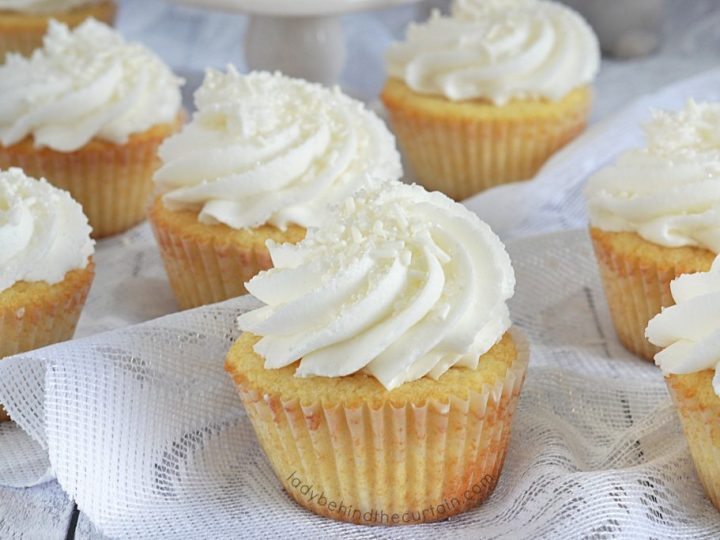
The combination of butter and oil creates a cupcake that’s rich in flavor while staying soft and moist for days. Whipped egg whites produce the fine, velvety crumb that white wedding cake is famous for, and the silky vanilla frosting pipes beautifully into elegant swirls worthy of any special occasion.
Whether you’re an experienced baker or trying your hand at homemade wedding cupcakes for the first time, this recipe is designed to help you succeed. The techniques are approachable, the ingredients are easy to find, and the results are beautiful enough to make guests think they came from a neighborhood bakery.
If you’ve been searching for a white cupcake recipe that’s light, flavorful, dependable, and elegant, you’ve found it. Now it’s your turn to put everything you’ve learned into practice and create cupcakes that are as memorable as the celebration they’re made for.
I like this because it doesn’t introduce any new information. Instead, it reminds the reader of what they’ve learned, reinforces why this recipe is special, and naturally encourages them to continue to the recipe card. It feels like a conclusion to the educational portion of the article, which is exactly what this section should accomplish.
Classic white wedding cake has earned its place at celebrations for generations. Its delicate crumb, elegant appearance, and timeless flavor never go out of style, making it just as fitting for a wedding as it is for a bridal shower, anniversary, or any occasion worth celebrating.
When I created this recipe, I wanted to do more than share a list of ingredients and instructions. I wanted to explain the techniques behind the recipe so you could understand why each step matters. My hope is that you’ll walk away with more confidence in the kitchen and a few new baking skills that you’ll use long after these cupcakes are gone.
I also hope this recipe reminds you that homemade desserts have a way of making people feel loved. Whether you’re baking for a room full of guests or simply sharing a cupcake with someone special over a cup of coffee, those moments often become the memories we treasure most.
If you make these Classic White Cake Wedding Cupcakes, I’d love to hear about it. Leave a comment below and tell me where you served them or what special occasion inspired you to bake them. Reading your stories and seeing your creations is one of my favorite parts of sharing recipes here at Lady Behind the Curtain.
Thank you for spending a little time in my kitchen today. I hope this recipe becomes one you’ll reach for whenever you want to create something beautiful for the people you love.
Happy Baking!
Sheryl
Lady Behind the Curtain
Classic White Cake Wedding Cupcakes
Ingredients
For the White Cake Cupcakes:
- 1 cup unsalted butter, softened
- 1 tablespoon clear vanilla extract
- 1 ½ cups granulated sugar
- 3 cups all purpose flour
- 3 teaspoons baking powder
- ½ teaspoon salt
- 1 cup heavy cream
- ½ cup vegetable oil
- 6 large egg whites
For the Bakery White Frosting:
- 1 cup vegetable shortening
- 1 ½ teaspoons clear vanilla extract
- ½ teaspoon almond extract
- 4 cups powdered sugar
- 4 tablespoons milk or water
- Optional white sprinkles
Instructions
For the White Cake Cupcakes:
- Preheat the oven to 350°. Line muffin cups with 30 liners.
- In a large mixing bowl, beat butter until light and fluffy; add vanilla.
- Whip until combined; slowly add sugar and continue beating until combined.
- In a medium bowl, whisk together the flour, baking powder, and salt. Alternate adding the flour mixture, heavy cream, and oil to the butter mixture until just combined.
- Pour batter into a large mixing bowl and set aside. In a clean mixing bowl, fitted with a whisk attachment, add the egg whites.
- Whisk on medium-high until the egg whites reach a stiff peak. Fold egg whites into batter.
- Fill each lined muffin cup three-fourths full (one ice cream scoop). Bake 17 minutes or until a toothpick inserted into the center comes out clean.
- Cool completely before adding the frosting.
- While the frosting is wet, add white sprinkles.
For the Bakery White Frosting:
- Add the shortening, vanilla, almond extract, sugar, and milk or water to a medium mixing bowl.
- Beat until light and fluffy (about 3 minutes).
- Fill a piping bag or spread the mixture onto cupcakes or a cake.
- MAKES 3 CUPS

Frequently Asked Questions-CLASSIC WHITE CAKE WEDDING CUPCAKES
By now, you know more than just how to bake these Classic White Cake Wedding Cupcakes—you understand the techniques that give them their light texture, moist crumb, and elegant bakery-style appearance. The questions below cover some of the most common concerns bakers have before, during, and after making this recipe. If you’re wondering about make-ahead options, storage, substitutions, or troubleshooting, you’ll find the answers here to help ensure your cupcakes turn out beautifully every time.
- Can I make these cupcakes ahead of time? Yes! The unfrosted cupcakes can be baked one to two days in advance and stored in an airtight container at room temperature. Frost them the day before or the day of your event for the freshest appearance.
- Can I freeze the cupcakes? Absolutely. Freeze the completely cooled, unfrosted cupcakes in a freezer-safe container for up to three months. Thaw them overnight in the refrigerator or at room temperature before frosting.
- Can I use whole eggs instead of whipped egg whites? This recipe was developed to achieve the light, delicate texture of a traditional white wedding cake. Using whole eggs will change both the color and texture, resulting in a richer, denser cupcake.
- Why did my cupcakes sink in the center? Cupcakes may sink if the oven door is opened too early, the batter is overmixed after adding the egg whites, or the cupcakes are removed from the oven before they’re fully baked.
- How do I know when the cupcakes are done baking? The tops should spring back lightly when touched, and a toothpick inserted into the center should come out clean or with a few moist crumbs attached. Avoid overbaking, as it can dry out the cupcakes.
- What’s the best way to store frosted cupcakes? Store frosted cupcakes in an airtight container. If your frosting is made with butter, they can be refrigerated if necessary, but allow them to come to room temperature before serving for the best flavor and texture.
- Can I color the frosting? Yes. Gel food coloring works best because it adds vibrant color without changing the frosting’s consistency. Start with a small amount and add more until you reach your desired shade.
- How far in advance can I frost the cupcakes? You can frost the cupcakes up to one day before serving. Store them covered in a cool place or refrigerate if needed, then bring them to room temperature before serving so the cake and frosting are at their best.
- Can I make mini cupcakes with this recipe? Yes. Mini cupcakes are perfect for dessert tables and showers. Simply reduce the baking time and begin checking for doneness several minutes earlier than you would for standard-size cupcakes.
- What occasions are these cupcakes perfect for? Although they’re inspired by a classic wedding cake, these cupcakes are equally at home at bridal showers, anniversaries, baby showers, birthdays, Easter celebrations, Mother’s Day brunches, graduation parties, and any occasion where an elegant vanilla cupcake is the perfect finishing touch.
Comments
Classic White Cake Wedding Cupcakes — No Comments
HTML tags allowed in your comment: <a href="" title=""> <abbr title=""> <acronym title=""> <b> <blockquote cite=""> <cite> <code> <del datetime=""> <em> <i> <q cite=""> <s> <strike> <strong>