





Classic Deviled Eggs Recipe
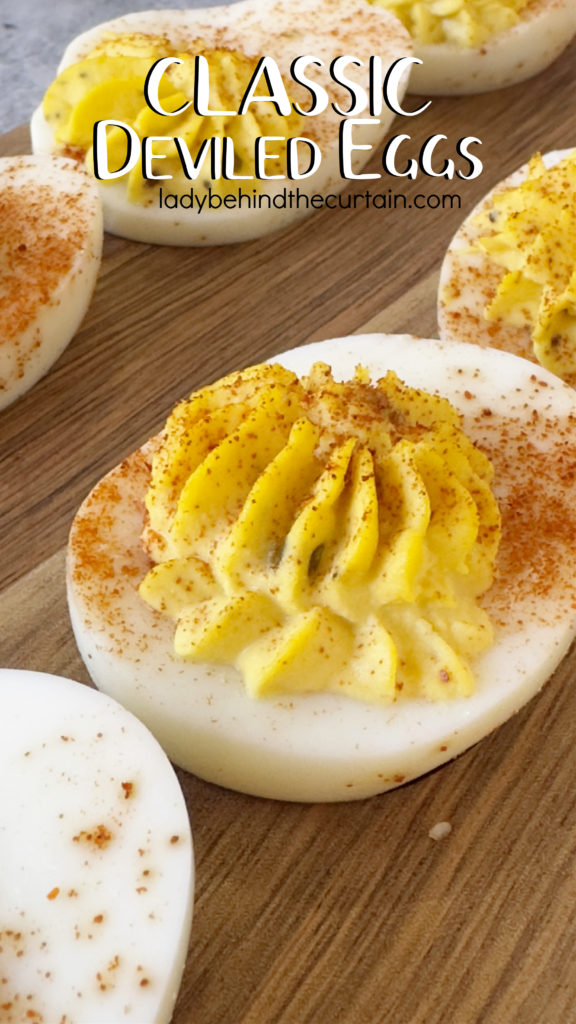
Deviled eggs are the kind of snack that feels like it came straight out of a family gathering in the 1950s—but in the best possible way. They’re creamy, tangy, and fancy enough to make your plate look a little extra special. Whether prepping for Easter brunch, a potluck, or just craving something nostalgic and satisfying, this classic deviled egg recipe is the perfect go-to.
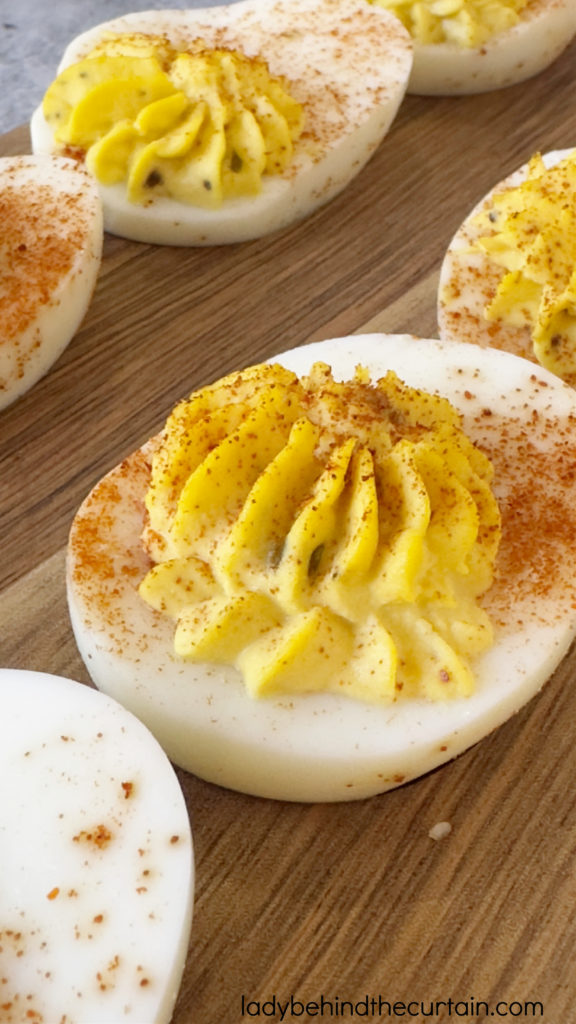
Deviled Eggs: The Little Bite That’s Big on Nostalgia. There’s something undeniably comforting about a tray of deviled eggs. Maybe it’s the creamy filling, the hint of tang, or the memories of family gatherings and potlucks. Whatever it is, deviled eggs are a classic that never really went out of style—they just got more interesting. Whether you’re a purist or a flavor experimenter, deviled eggs are a simple, crowd-pleasing snack that deserves a permanent spot in your recipe rotation.
How to Make Classic Deviled Eggs
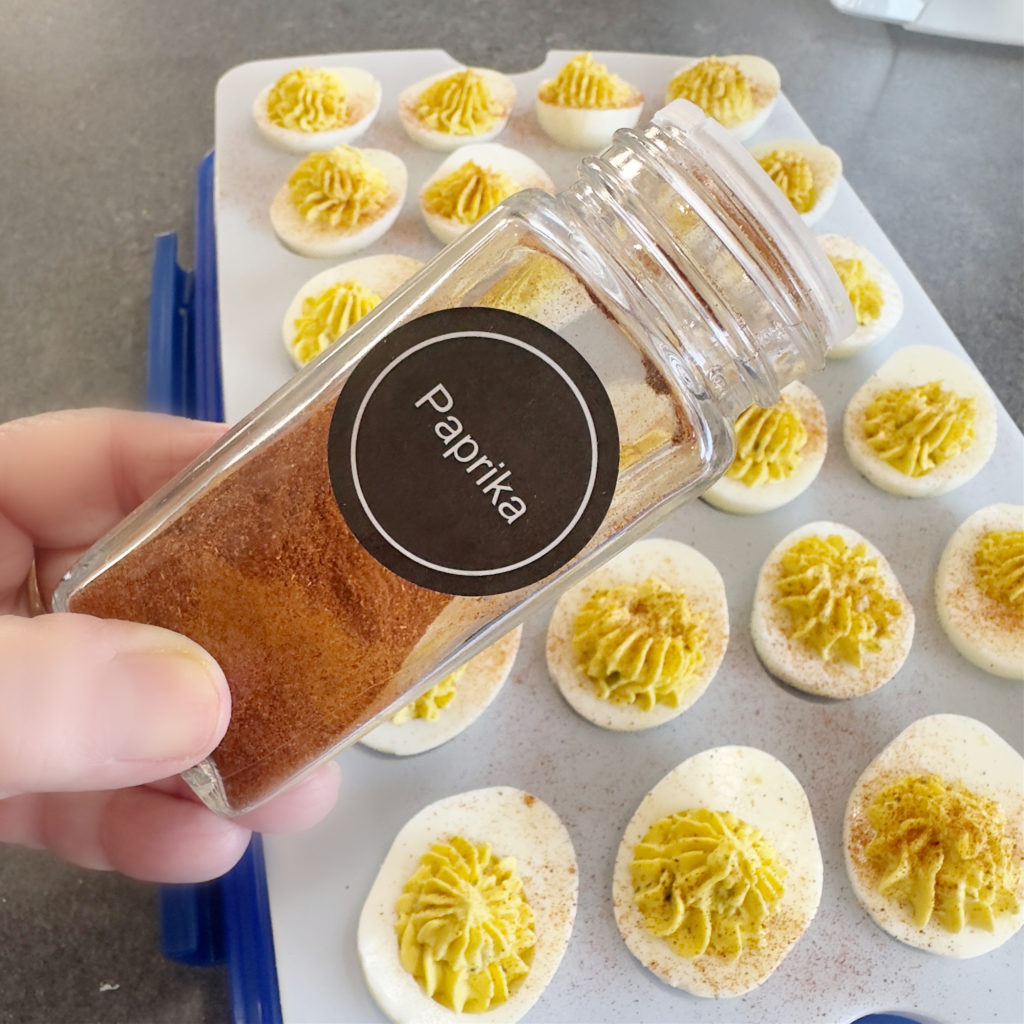
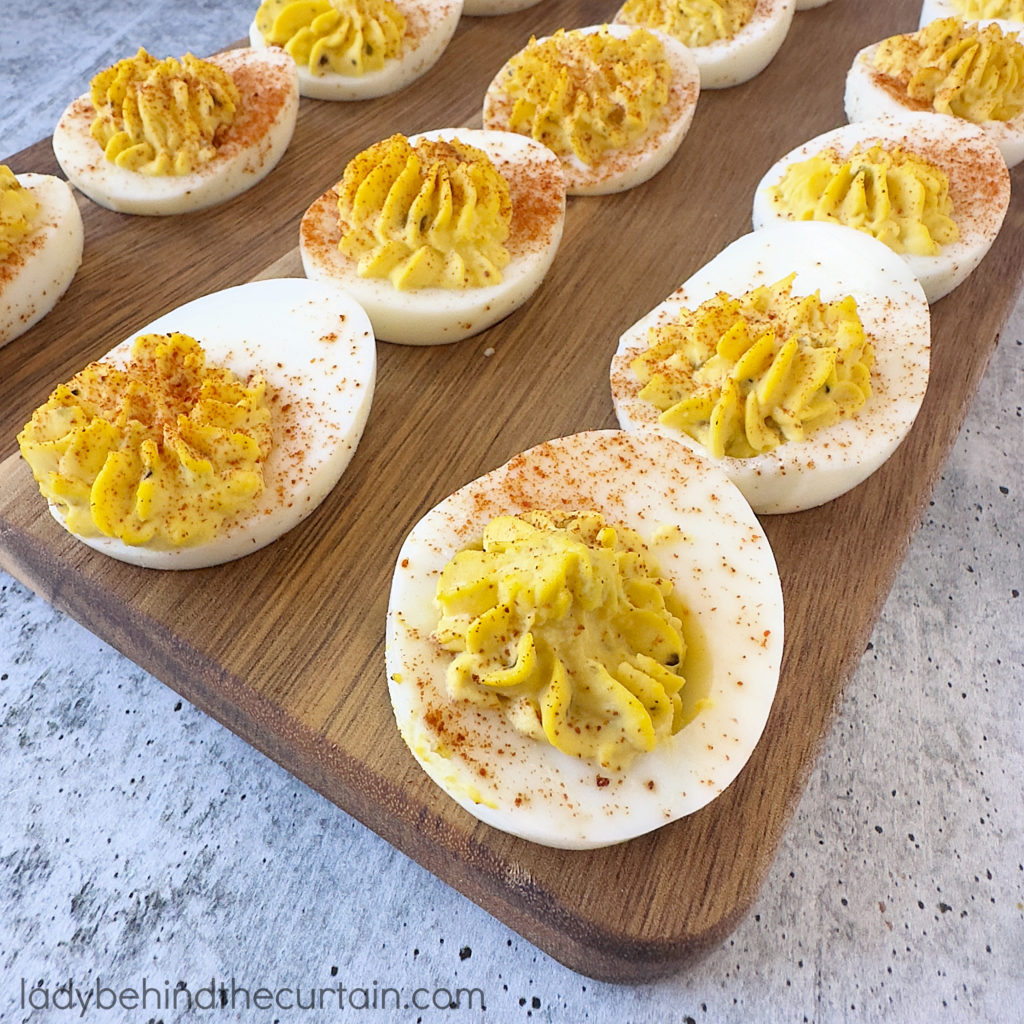
DEVILED EGGS INGREDIENTS LIST – full printable recipe below in the recipe card
- 12 large hard-boiled eggs
- 4 tablespoons mayonnaise
- 2½ tablespoons yellow mustard
- 2 tablespoons dill pickle relish
- ½ teaspoon black pepper
- sprinkle of paprika on each half
CLASSIC DEVILED EGG RECIPE INSTRUCTIONS
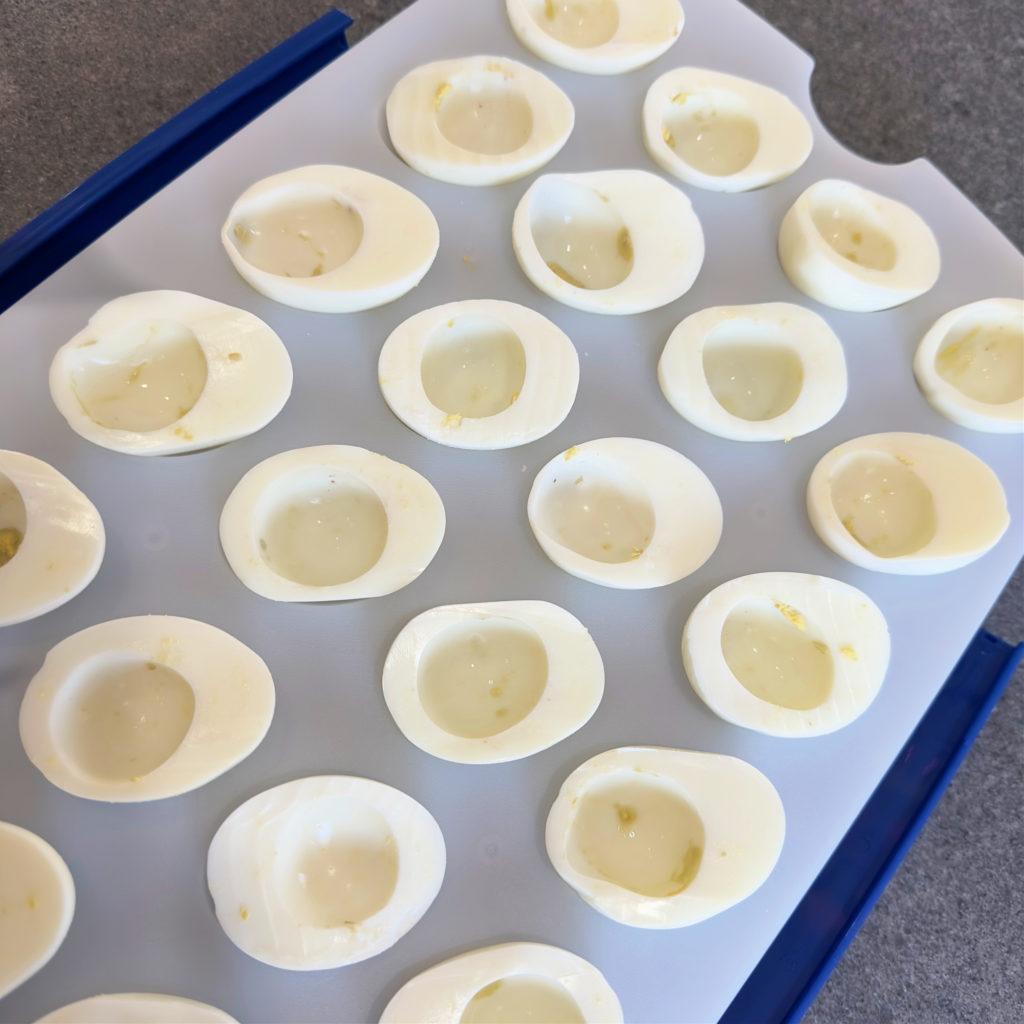
- Slice boiled eggs in half.
- Carefully remove the yolk into a medium-sized bowl.
- Place the hollowed halves on a platter.
- Add the mayonnaise, mustard, relish, and pepper to the bowl with the cooked yolks.
- Stir until creamy.
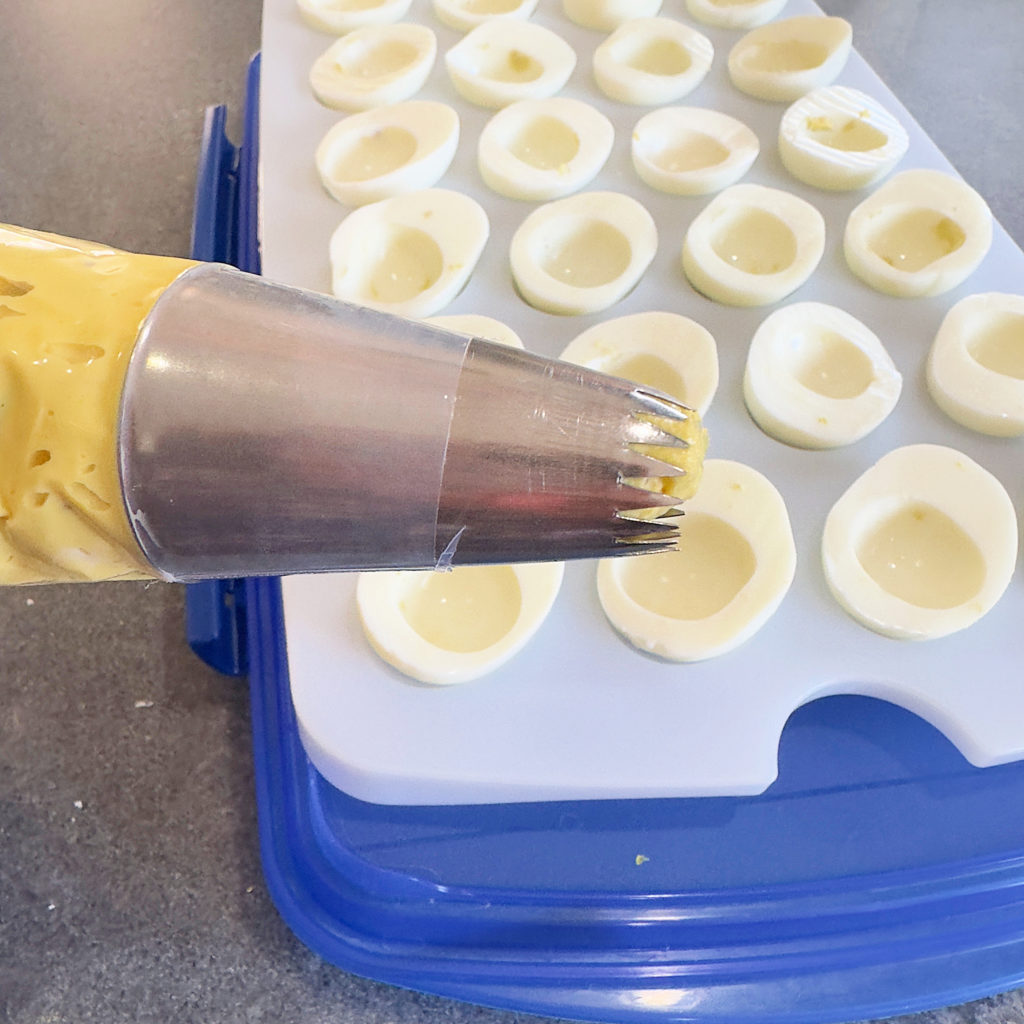
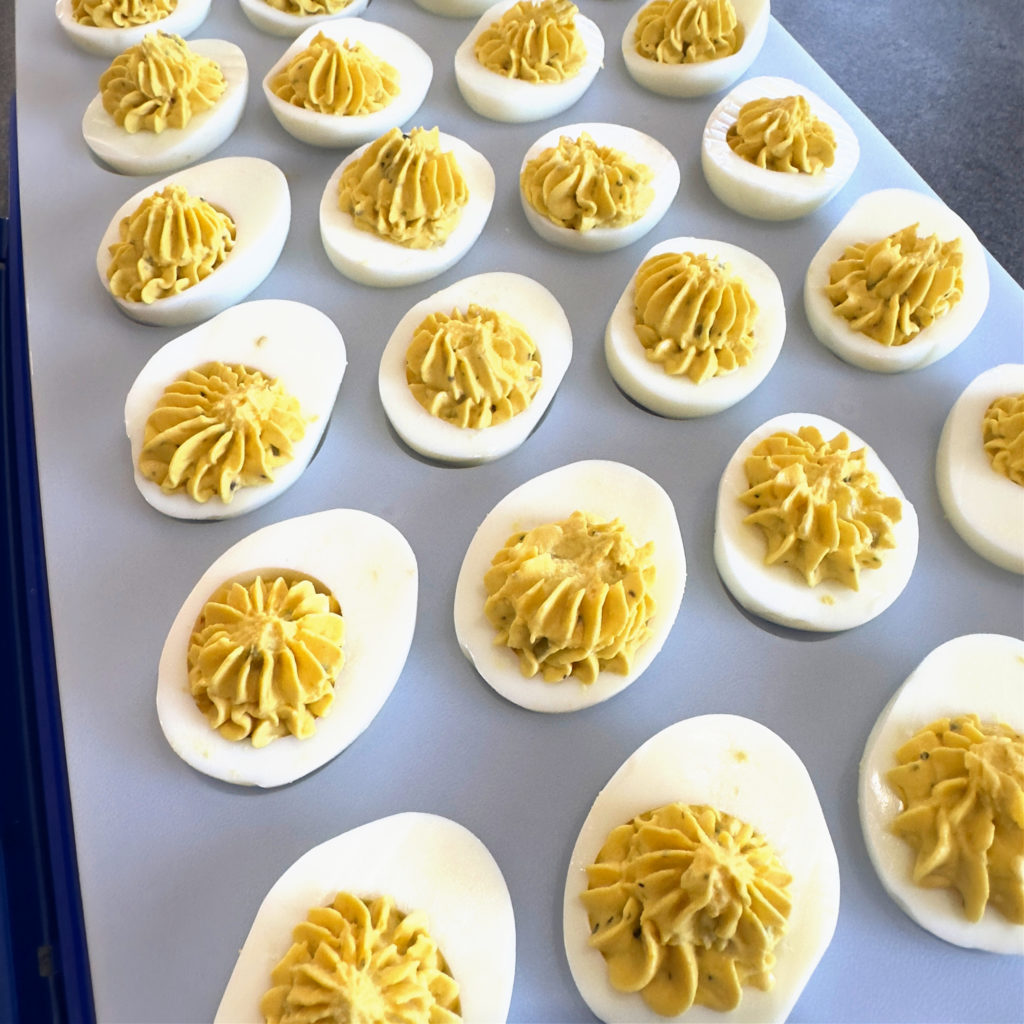
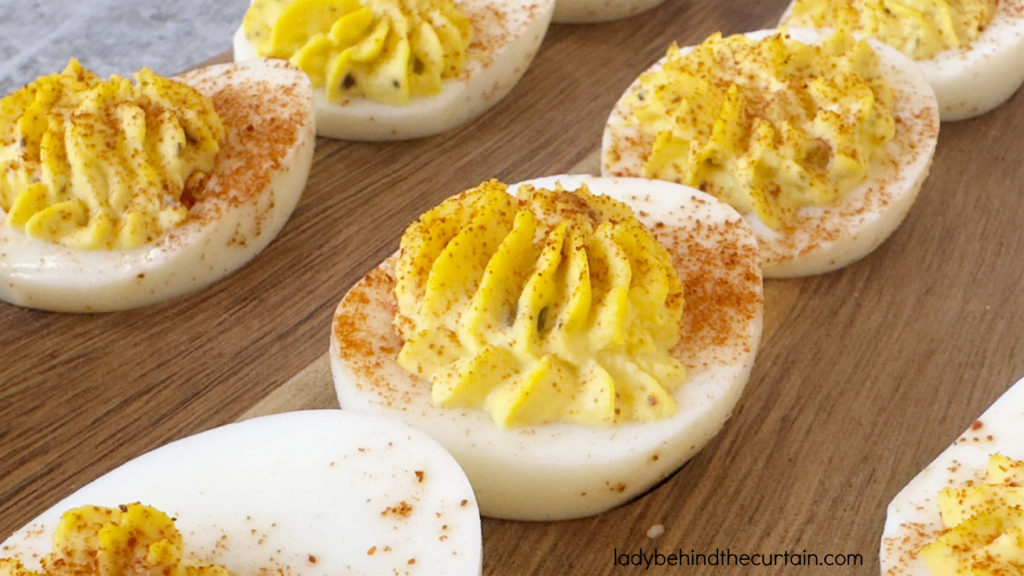
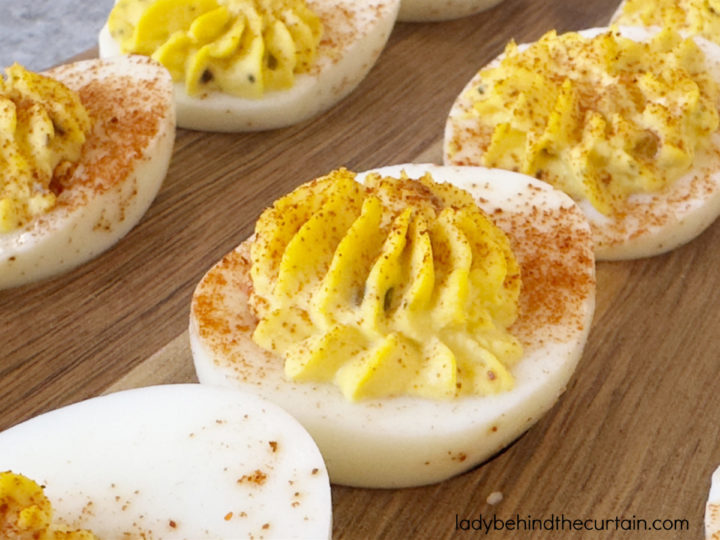
- Spoon or pipe filling into the hollowed portion of the egg half.
- Add a sprinkle of paprika.
- Cover and refrigerate until ready to serve.
Pro Tips:
- Older eggs peel more easily than super-fresh ones. If you plan ahead, buy your eggs a few days in advance of boiling.
- Want it extra smooth? Use a food processor for the yolk filling.
- Feel free to customize with add-ins like hot sauce, relish, or even bacon bits.
HOW TO HARD-BOIL EGGS ON THE STOVE TOP
To hard-boil eggs perfectly, start by placing them in a single layer in a saucepan and covering them with cold water, about an inch above the eggs. Bring the water to a gentle boil over medium-high heat. Once it reaches a rolling boil, cover the pan with a lid, turn off the heat, and let the eggs sit for 10 to 12 minutes, depending on their size. After the time is up, immediately transfer the eggs to a bowl of ice water to stop the cooking process and make peeling easier. Let them chill for at least 5 minutes before peeling or storing. This method helps prevent overcooking and the greenish ring around the yolk.
HOW TO HARD-BOIL EGGS IN AN INSTANT POT
Hard-boiling eggs in an Instant Pot is quick, easy, and yields consistently easy-to-peel results. Start by placing a trivet or steamer basket in the bottom of the pot and adding 1 cup of water. Arrange the eggs in a single layer on the trivet. Secure the lid, set the valve to sealing, and cook on high pressure for 5 minutes. Once the cooking time is up, let the pressure naturally release for an additional 5 minutes, then carefully perform a quick release to release any remaining pressure. Immediately transfer the eggs to a bowl of ice water and let them sit for at least 5 minutes to cool and stop the cooking process. This “5-5-5 method” is a foolproof way to get perfectly hard-boiled eggs every time.
When to Serve Deviled Eggs
- Holiday meals
- BBQs and potlucks
- Baby or bridal showers
- Brunch spreads
- …or just as a fun weekday snack
What are Deviled Eggs?
Deviled eggs are hard-boiled eggs sliced in half, with the yolks scooped out and mixed with ingredients such as mayonnaise, mustard, and spices. The mixture is then spooned (or piped, if you’re feeling fancy) back into the whites for a flavorful, creamy bite. The “deviled” part? That term dates back to the 18th century and just means food that’s spiced up—nothing sinister here.
Why We Love Deviled Eggs
Deviled eggs are timeless. They’re endlessly customizable, super affordable, and give major payoff for minimal effort. Plus, there’s just something satisfying about watching people light up when they see a tray of them appear. So next time you want to bring a little retro magic—and serious flavor—to the table, don’t overlook the humble deviled egg. It’s the MVP of bite-sized appetizers.
HOW TO STORE DEVILED EGGS

To store leftovers, cover the eggs tightly with plastic wrap or store them in an airtight container in the refrigerator. Remember to enjoy your deviled eggs within 2-3 days to maintain their quality and flavor.
MORE DEVILED EGG RECIPES
Deviled eggs are a classic appetizer that can be endlessly customized, offering a delightful assortment of flavors to suit any occasion. Traditional versions feature a creamy filling of egg yolks, mayonnaise, mustard, and a dash of paprika, but creative twists have taken these bite-sized treats to new heights. For a spicy kick, try jalapeño bacon deviled eggs, or elevate them to gourmet status with truffle oil and chives. Avocado deviled eggs swap out mayo for a healthier, green twist, while curry-spiced versions add warmth and depth. From Southern-style with sweet relish to modern takes featuring smoked salmon or sriracha, deviled eggs are a versatile canvas for flavor experimentation.



LATEST POSTS
For an added touch of elegance and sophistication, consider garnishing your deviled eggs with fresh herbs, smoked paprika, or crispy bacon bits. These small details can make a big difference in the overall presentation and flavor of your dish. Your guests will be impressed by the attention to detail and creativity you put into your deviled eggs, making them even more irresistible. Look above for 5 Creative Deviled Egg Recipes↑
Whether you grew up eating them at every family function or you’re making them for the first time, classic deviled eggs never go out of style. Plus, once you’ve nailed the base recipe, the possibilities for creative variations are endless. Got a secret ingredient you love adding? Share it in the comments!❤️ Sheryl
Classic Deviled Eggs Recipe
Ingredients
- 12 large hard boiled eggs
- 4 tablespoons mayonnaise
- 2½ tablespoons yellow mustard
- 2 tablespoons dill pickle relish
- ½ teaspoon black pepper
- sprinkle of paprika on each half
Instructions
How to Hard-Boil Eggs on the Stove Top:
To hard-boil eggs perfectly, start by placing them in a single layer in a saucepan and covering them with cold water, about an inch above the eggs. Bring the water to a gentle boil over medium-high heat. Once it reaches a rolling boil, cover the pan with a lid, turn off the heat, and let the eggs sit for 10 to 12 minutes, depending on their size. After the time is up, immediately transfer the eggs to a bowl of ice water to stop the cooking process and make peeling easier. Let them chill for at least 5 minutes before peeling or storing. This method helps prevent overcooking and that greenish ring around the yolk.
How to Hard-Boil Eggs in an Instant Pot:
Hard-boiling eggs in an Instant Pot is quick, easy, and great for getting consistently easy-to-peel results. Start by placing a trivet or steamer basket in the bottom of the pot and adding 1 cup of water. Arrange the eggs in a single layer on the trivet. Secure the lid, set the valve to sealing, and cook on high pressure for 5 minutes. Once the cooking time is up, let the pressure naturally release for another 5 minutes, then carefully do a quick release to release any remaining pressure. Immediately transfer the eggs to a bowl of ice water and let them sit for at least 5 minutes to cool and stop the cooking process. This “5-5-5 method” is a foolproof way to get perfectly hard-boiled eggs every time.
FOR THE DEVILED EGGS:
- Slice boiled eggs in half.
- Carefully remove the yolk into a medium-sized bowl.
- Place the hollowed halves on a platter.
- Add the mayonnaise, mustard, relish, and pepper to the bowl with the cooked yolks.
- Stir until creamy.
- Spoon or pipe filling into the hollowed portion of the egg half.
- Add a sprinkle of paprika.
- Cover and refrigerate until ready to serve.

Comments
Classic Deviled Eggs Recipe — No Comments
HTML tags allowed in your comment: <a href="" title=""> <abbr title=""> <acronym title=""> <b> <blockquote cite=""> <cite> <code> <del datetime=""> <em> <i> <q cite=""> <s> <strike> <strong>