





Bakery-Style Toasted Coconut Chocolate Chip Oatmeal Cookies
There are some cookies that disappear almost as quickly as they’re set on the table, and these Bakery-Style Toasted Coconut Chocolate Chip Oatmeal Cookies have earned that reputation in my kitchen. They have everything I love in a homemade cookie: a soft, chewy center, lightly crisp edges, plenty of chocolate, and the comforting flavor of old-fashioned oats. Then there’s one ingredient that quietly transforms them from familiar to unforgettable: toasted coconut.
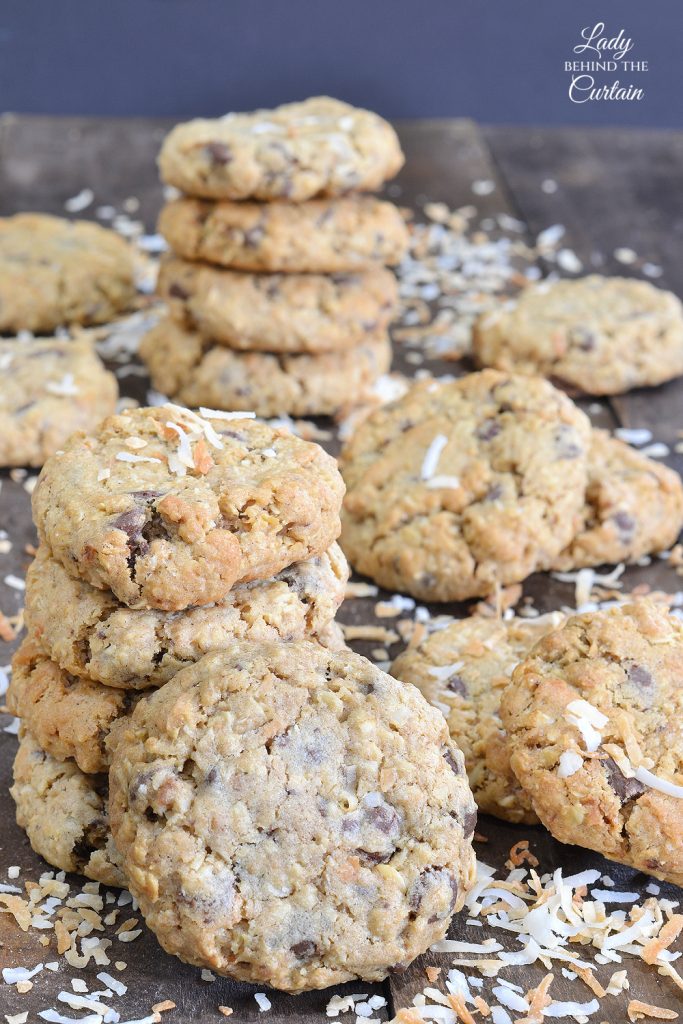
If you’ve only baked with sweetened shredded coconut straight from the bag, you’re in for a delicious surprise. Taking a few extra minutes to toast the coconut before adding it to the dough brings out a rich, nutty flavor that pairs beautifully with brown sugar, cinnamon, vanilla, and chocolate chips. It’s a simple step that doesn’t complicate the recipe, yet it gives the finished cookies the kind of depth of flavor you usually expect from a neighborhood bakery.
These are the cookies I reach for when I want something a little more special than a classic chocolate chip cookie but still easy enough to bake on an ordinary afternoon. They’re just as welcome on a holiday cookie tray as they are tucked into a lunchbox, served with an afternoon cup of coffee, or packaged in a bakery box for a thoughtful homemade gift. Their familiar flavors appeal to almost everyone, while the toasted coconut gives people something they can’t quite put their finger on until they take another bite.
What Makes These Cookies Bakery-Style?
When people think about bakery-style cookies, size is often the first thing that comes to mind. While larger cookies certainly make an impression, that’s only part of what gives them their appeal. A true bakery-style cookie is all about balance. It should have crisp, golden edges that provide just a little crunch before giving way to a thick, soft center that’s rich, chewy, and full of flavor. Every bite should feel satisfying, with plenty of mix-ins distributed throughout the cookie instead of hiding in just a few spots.
These cookies achieve that balance by combining several ingredients that naturally complement one another. Brown sugar contributes moisture and a subtle caramel flavor that keeps the cookies soft. Old-fashioned rolled oats add a hearty chew without making the cookies heavy, while cinnamon quietly enhances the warm flavors already present in the dough. Chocolate chips provide pockets of sweetness, but they don’t overwhelm the other ingredients. Instead, each component has an opportunity to shine, creating layers of flavor rather than one dominant taste.
The ingredient that truly sets this recipe apart is the toasted coconut. Instead of simply adding sweetness, the toasted coconut develops a deeper, almost buttery flavor that blends beautifully with the oats and brown sugar. Rather than tasting like coconut cookies with chocolate chips, these cookies become something much more balanced. The coconut melts into the background just enough to make people wonder why these cookies taste richer than most oatmeal chocolate chip cookies they’ve had before.
At a Glance: What Makes These Cookies Special?
| Feature | Why It Matters |
|---|---|
| Toasted shredded coconut | Adds rich, nutty flavor instead of overpowering coconut sweetness. |
| Brown sugar | Creates a soft, chewy texture while adding caramel notes. |
| Old-fashioned oats | Give the cookies hearty texture and help them stay tender. |
| Chocolate chips | Provide rich bursts of chocolate throughout every bite. |
| Cinnamon | Enhances the warmth of the cookie without making it taste like a spice cookie. |
| Coconut and vanilla extracts | Work together to deepen the overall flavor and make the cookies taste bakery fresh. |
These ingredients don’t compete with one another—they work together to create a cookie with layers of flavor and texture. That’s one of the reasons these cookies feel a little more special than a traditional oatmeal chocolate chip cookie. Every ingredient has a purpose, and understanding that purpose helps explain why this recipe produces such consistently delicious results.
Why Is Toasting the Coconut Worth the Extra Step?
When you’re eager to get cookies into the oven, it can be tempting to skip any step that isn’t absolutely necessary. Toasting the coconut, however, is one shortcut I don’t recommend taking. It only takes a few extra minutes, but it completely changes the flavor of the finished cookies.
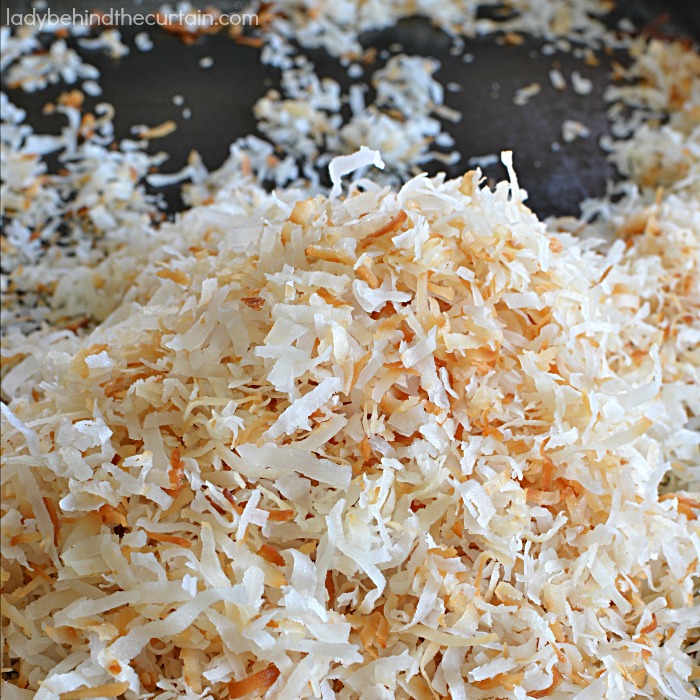
Untoasted coconut has a fresh, lightly sweet flavor that can sometimes get lost among the chocolate chips, brown sugar, and oats. Toasting it transforms those delicate flakes into something much richer. As the coconut turns golden, its natural sugars begin to caramelize, creating warm, nutty flavors that blend beautifully with the other ingredients instead of competing against them. Rather than standing out as a separate ingredient, the toasted coconut becomes part of the cookie’s overall flavor, making every bite taste more balanced and complex.
Another benefit is aroma. If you’ve never toasted coconut before, you’ll notice the difference long before the timer goes off. As it bakes, your kitchen fills with a warm, buttery fragrance that’s hard to resist. That same aroma carries over into the finished cookies, making them smell just as inviting as they taste.
Wow! I Never Knew That! Toasting coconut doesn’t actually make it taste more like coconut. Instead, the heat caramelizes the natural sugars inside the coconut, creating warm, nutty flavors that pair especially well with chocolate, oats, vanilla, and brown sugar. That’s why toasted coconut tastes so much richer than coconut straight from the package.
How Does Each Ingredient Help Create a Bakery-Style Cookie?
One of the things I enjoy most about baking is discovering how every ingredient contributes to the finished cookie. It’s easy to think of a recipe as simply a list of ingredients, but each one has an important job. Understanding those roles not only helps you become a better baker, but it also explains why these cookies have such wonderful texture and flavor.
Brown sugar is one of the biggest reasons these cookies stay soft and chewy. Because it contains molasses, it adds moisture to the dough while creating subtle caramel notes that pair naturally with oats and toasted coconut. Butter provides richness and helps create those lightly crisp edges that make bakery-style cookies so satisfying. The combination of coconut and vanilla extracts builds flavor from the inside out, giving the cookies a warm, homemade taste without making the coconut overwhelming.
The dry ingredients work together just as carefully. All-purpose flour gives the cookies structure, while baking powder and a small amount of baking soda encourage just enough lift without making the cookies cakey. A touch of cinnamon doesn’t turn these into spice cookies. Instead, it quietly enhances the brown sugar and toasted coconut, adding warmth that many people notice without ever identifying the ingredient responsible.
Finally, the rolled oats and chocolate chips complete the cookie. Old-fashioned oats provide a hearty chew that quick oats simply can’t match, while chocolate chips add little pockets of sweetness throughout every bite. Together, these ingredients create the thick, satisfying texture most people expect from a bakery-style oatmeal cookie.
| Ingredient | What It Contributes |
|---|---|
| Butter | Rich flavor and lightly crisp edges |
| Brown sugar | Moisture, chewiness, and caramel flavor |
| Coconut extract | Enhances the toasted coconut without overpowering it |
| Vanilla extract | Adds warmth and rounds out the flavors |
| Flour | Provides structure for thick cookies |
| Baking powder & baking soda | Help the cookies rise while keeping them tender |
| Cinnamon | Adds warmth and depth without tasting spicy |
| Toasted coconut | Rich, nutty flavor and chewy texture |
| Chocolate chips | Sweet bursts of chocolate throughout the cookie |
| Old-fashioned oats | Classic chewy texture and hearty bite |
Why Do Old-Fashioned Oats Make Such a Difference?
Not all oats behave the same way in cookie dough. While quick oats and old-fashioned oats begin with the same grain, they are processed differently, and that difference becomes noticeable after baking.
Old-fashioned rolled oats are thicker and hold their shape during baking. Instead of disappearing into the dough, they create the hearty texture that oatmeal cookie lovers expect. Each bite has a pleasant chew that complements the toasted coconut without making the cookies feel dense or heavy.
Quick oats, on the other hand, are cut into smaller pieces so they cook faster. They absorb moisture more quickly, which can produce a softer cookie but one with less texture. While they certainly have their place in breakfast recipes and some baked goods, they won’t deliver the same bakery-style bite these cookies are known for.
Using old-fashioned oats also helps distribute moisture throughout the cookie as it cools. That means the cookies often taste even better the next day because the oats continue to soften slightly while maintaining their pleasant chew.
Wow! I Never Knew That! Oatmeal cookies often stay soft longer than traditional chocolate chip cookies because the oats gradually absorb and redistribute moisture after baking. That’s one reason they’re such a great choice for gifting, shipping, and cookie exchanges.
What Are the Secrets to Baking Thick, Chewy Oatmeal Cookies?
One reason bakery cookies stand out is their texture. They aren’t flat and crispy from edge to edge, nor are they puffy like cake. Instead, they strike a balance with lightly golden edges and a center that’s soft, thick, and chewy. While it may seem like bakeries have a secret ingredient, the truth is that the texture comes from a series of small techniques that work together.
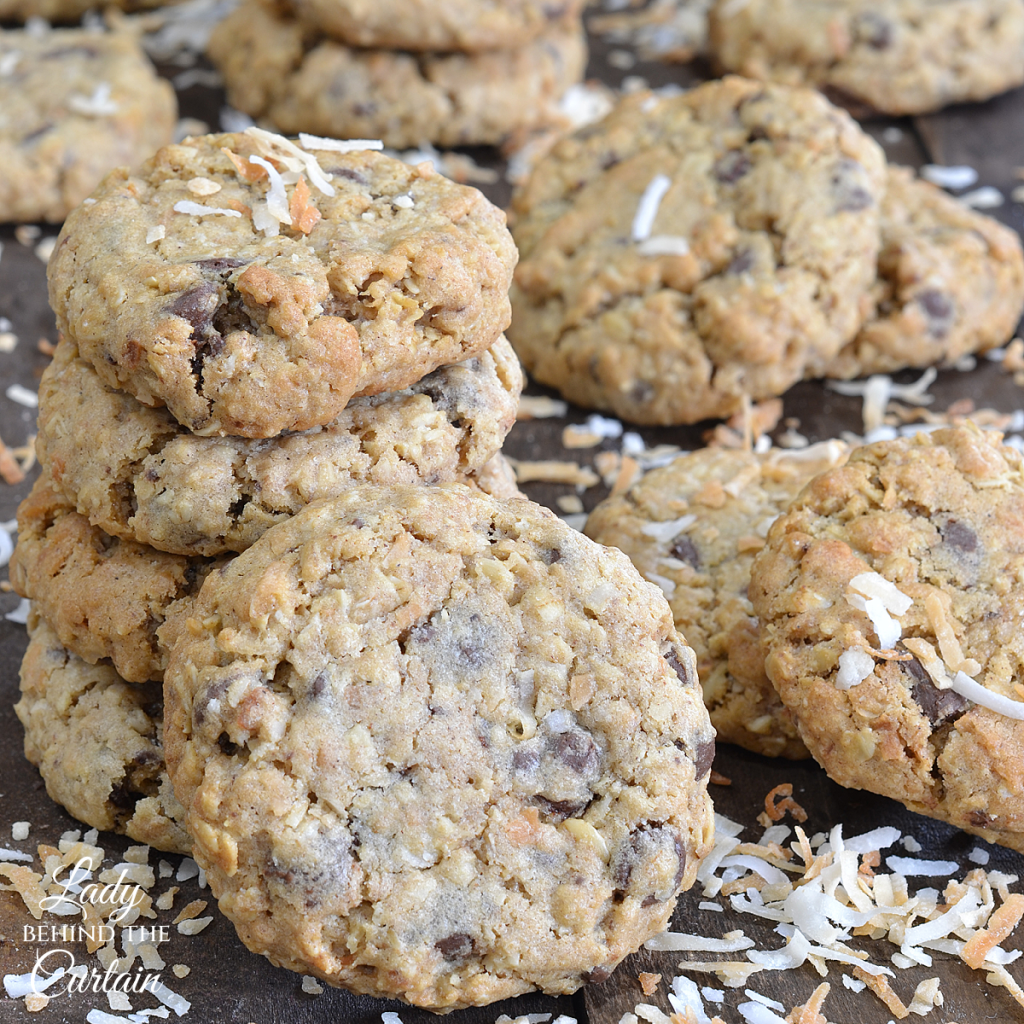
The first is properly creamed butter. Beating softened butter until it’s smooth before adding the remaining wet ingredients creates a creamy base that blends evenly with the sugar. This helps the cookies bake consistently without becoming greasy or dense. Brown sugar also plays an important role because its natural molasses attracts and holds moisture, keeping the cookies tender long after they’ve cooled.
Another key is resisting the urge to overwork the dough. Once the flour mixture has been added, mix only until the dry ingredients disappear. Overmixing develops more gluten, which can produce cookies that are firmer than intended. Folding in the oats and chocolate chips by hand is a gentle way to finish the dough while ensuring every scoop contains plenty of both.
Finally, don’t overlook the simple step of lightly pressing the dough before baking. Because these cookies contain a generous amount of oats, they don’t spread as much as traditional chocolate chip cookies. Flattening each scoop just a little encourages even baking while still leaving plenty of thickness in the center.
Behind the Curtain: I like using a cookie scoop for every batch, even when I’m baking at home. Uniform scoops not only look more professional, but they also bake at the same rate, so you won’t have cookies that are overbaked on one end of the pan and underbaked on the other.
Common Mistakes That Can Change the Texture
Even a dependable cookie recipe can produce different results if a few small details are overlooked. Fortunately, most cookie disappointments can be traced back to simple baking habits that are easy to correct once you know what to watch for.
One of the most common mistakes is using butter that’s too soft or partially melted. While softened butter should easily press with your finger, it shouldn’t be shiny or oily. Butter that’s too warm causes the dough to spread more quickly in the oven, resulting in thinner cookies with less chew.
Measuring flour incorrectly is another frequent culprit. Scooping directly into the flour container packs extra flour into the measuring cup, creating a drier dough and heavier cookies. Instead, fluff the flour first, spoon it into the measuring cup, and level it with a straight edge. This simple habit can make a noticeable difference in texture.
Another mistake is baking one pan while leaving the remaining dough on the counter. As the dough warms, the butter softens, causing later batches to spread more than the first. If your kitchen is warm, keep the remaining dough in the refrigerator until you’re ready for the next pan.
Perhaps the hardest mistake to avoid is overbaking. Cookies often look slightly underdone when they’re actually finished. Pulling them from the oven while the centers are still soft allows them to finish baking on the hot cookie sheet, producing a moist, chewy cookie instead of one that’s dry and crumbly.
| If Your Cookies… | Try This Next Time |
|---|---|
| Spread too much | Make sure the butter isn’t overly soft and keep the dough cool between batches. |
| Turn out dry | Measure the flour carefully and avoid overbaking. |
| Bake unevenly | Scoop equal portions and space them evenly on the baking sheet. |
| Don’t spread enough | Gently flatten each scoop before baking. |
| Become hard the next day | Store them in an airtight container as soon as they’ve cooled completely. |
Choosing the Right Baking Equipment
Great cookies aren’t made by ingredients alone. The baking sheet you choose can influence how evenly the cookies bake and how well they brown. A heavy-gauge aluminum baking sheet conducts heat evenly, helping the cookies develop golden edges without creating dark spots on the bottom. Thin pans tend to heat unevenly, which can leave one side of the cookie overbaked while the center still needs more time.
Parchment paper is another simple tool that makes a noticeable difference. It encourages even browning, prevents sticking, and allows the cookies to slide easily from the pan once they’ve cooled for a few minutes. It also makes cleanup much easier, especially when baking several batches.
Because these cookies continue baking from the heat stored in the pan, it’s important to let them rest briefly before moving them to a cooling rack. Giving them a few minutes allows the centers to set while preserving the soft texture you’re aiming for.
Behind the Curtain: I always bake on rimless cookie sheets. They’re lightweight, bake evenly, and make it incredibly easy to slide both the parchment paper and the cookies right off the pan onto the cooling rack. Once you get used to baking this way, it’s hard to go back to traditional baking sheets with raised sides.
When Should You Serve These Cookies?
One of my favorite things about these Bakery-Style Toasted Coconut Chocolate Chip Oatmeal Cookies is how easily they fit almost any occasion. They’re casual enough to enjoy with a glass of milk after school, yet elegant enough to earn a place on a holiday dessert table. The toasted coconut gives them a flavor that’s just a little unexpected, making them a wonderful conversation starter whenever you share them with family and friends.
These cookies also pair beautifully with the changing seasons. During the cooler months, they’re delicious alongside a mug of hot coffee, tea, or hot chocolate. In the summer, they become the perfect companion to a scoop of vanilla or coconut ice cream. Because the flavors are warm and comforting without being tied to a specific holiday, they’re a recipe you’ll find yourself baking throughout the year instead of saving for one special occasion.
If you’re putting together a cookie tray, these cookies add wonderful variety. Their chewy texture contrasts nicely with crisp shortbread cookies, buttery sugar cookies, or delicate meringues. They also offer a flavor profile that’s different from traditional chocolate chip cookies, giving guests another option without straying too far from familiar favorites.
Behind the Curtain: I love including these cookies on dessert trays because people are naturally curious about them. They often recognize the oats and chocolate chips right away, but the toasted coconut adds just enough richness to make them wonder what makes these cookies taste different from the others.
How Should You Store Bakery-Style Oatmeal Cookies?
Freshly baked cookies are always hard to resist, but proper storage keeps them tasting just as wonderful for several days. Once the cookies have cooled completely, transfer them to an airtight container. Storing them while they’re still warm traps steam inside the container, which can soften the edges more than you’d like.
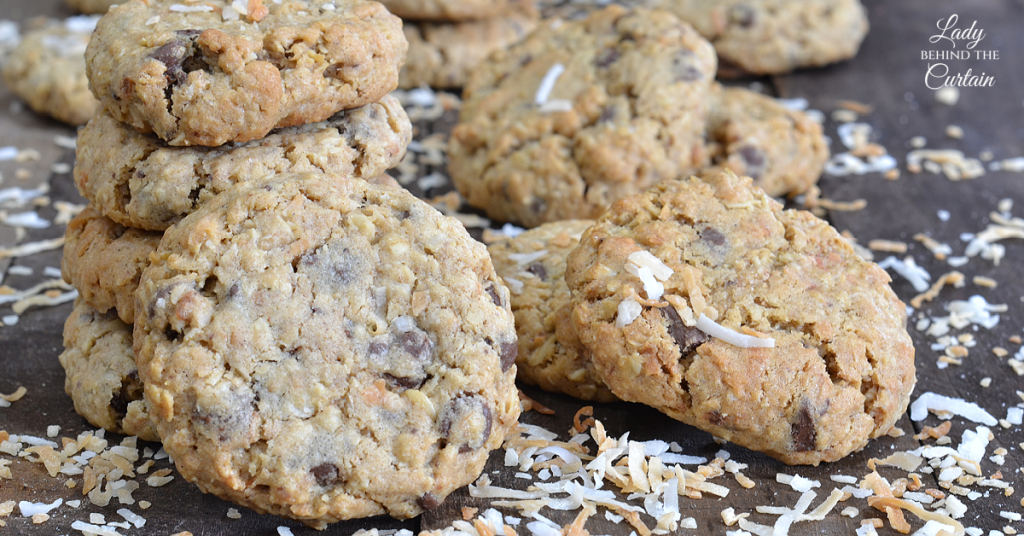
If you’re stacking the cookies, place a sheet of parchment or wax paper between the layers. While oatmeal cookies are sturdier than many delicate cookies, this simple step helps protect the tops from sticking together, especially during warmer weather.
For the freshest flavor, store the container at room temperature in a cool, dry place away from direct sunlight. Refrigeration isn’t necessary and can actually dry cookies out more quickly than storing them on the counter. The combination of brown sugar and oats naturally helps these cookies stay soft, making them an excellent choice for baking ahead of a gathering.
| Storage Method | How Long They Stay Fresh | Best For |
|---|---|---|
| Airtight container at room temperature | 4–5 days | Everyday snacking and entertaining |
| Airtight container with parchment between layers | Up to 1 week | Cookie trays and gifting |
| Freezer | Up to 3 months | Baking ahead for holidays |
Wow! I Never Knew That! Cookies don’t usually become stale because they “dry out.” Instead, the moisture inside the cookie gradually redistributes, and the starches begin to firm up over time. An airtight container slows that process, helping the cookies stay softer longer.
Can You Freeze These Cookies?
Absolutely, and they’re one of my favorite cookies to prepare ahead of the holidays. Both the baked cookies and the unbaked cookie dough freeze beautifully, giving you plenty of flexibility when you’re planning for parties, cookie exchanges, or busy weekends.
If you’re freezing baked cookies, allow them to cool completely before placing them in a freezer-safe container. Separate the layers with parchment paper to prevent sticking, then thaw them at room temperature whenever you’re ready to enjoy them. Within an hour or so, they’ll taste remarkably fresh.
Freezing individual portions of cookie dough is just as convenient. Scoop the dough onto a parchment-lined baking sheet and freeze until firm before transferring the portions to a freezer bag or airtight container. This allows you to bake just a few cookies whenever the craving strikes instead of committing to an entire batch.
One of the nicest benefits of freezing cookie dough is that you can enjoy freshly baked cookies with very little effort. Simply place the frozen dough on your prepared baking sheet and add a minute or two to the baking time.
Packaging Ideas for Gifts, Bake Sales, and Cookie Exchanges
Homemade cookies become even more memorable when they’re packaged with care. Because these cookies are sturdy without being hard, they travel well and hold their shape beautifully, making them a wonderful choice for gifting or selling at a bake sale.
Clear cellophane bags tied with ribbon create a simple presentation that lets the cookies shine. For holiday gifts, decorative bakery boxes lined with parchment paper give them a professional appearance while protecting them during transport. If you’re creating cookie assortments, arrange these cookies alongside a variety of shapes, flavors, and colors for a tray that feels both abundant and inviting.
Mason jars and decorative tins are another charming option. Layer the cookies with parchment paper to prevent rubbing during transport, especially if you’re delivering them to friends or family. Whether you’re preparing teacher gifts, thank-you treats, or care packages, thoughtful packaging helps turn homemade cookies into a gift that feels truly special.
Cookie Packaging Guide
- Cellophane treat bags: Great for party favors and bake sales.
- Bakery boxes: Ideal for gifting and holiday cookie assortments.
- Decorative tins: Help protect cookies during shipping or travel.
- Mason jars: A charming option for hostess gifts or neighbor gifts.
- Cookie trays: Pair with shortbread, sugar cookies, brownies, and bar cookies for a beautiful assortment.
Wow! I Never Knew That! Bakers often include a variety of textures on a cookie tray instead of several cookies with similar textures. Pairing chewy oatmeal cookies with crisp butter cookies, tender shortbread, and fudgy brownies creates a more interesting dessert spread and encourages guests to sample a little of everything.
Make It Your Own-Ideas for Different Mix-Ins
One of the things I enjoy most about baking cookies is taking a favorite recipe and giving it a fresh twist. These Bakery-Style Toasted Coconut Chocolate Chip Oatmeal Cookies are delicious exactly as written, but they’re also a wonderful starting point for creating your own signature version. The toasted coconut provides a rich, nutty foundation that pairs beautifully with a variety of flavors, making this recipe one you’ll come back to throughout the year.
If you enjoy darker, richer desserts, try replacing the semisweet chocolate chips with dark chocolate chunks. Their slightly bittersweet flavor complements the caramel notes from the brown sugar and allows the toasted coconut to shine even more. White chocolate is another excellent choice, creating a sweeter cookie with a tropical flavor that reminds me of coconut cream desserts.
Nuts can add another layer of texture without overpowering the cookie. Chopped pecans bring a buttery crunch, while toasted macadamia nuts create a more tropical flavor profile. If you’re serving these cookies during the holidays, a sprinkle of flaky sea salt immediately after baking creates a beautiful finish while balancing the chocolate’s sweetness.
You can also change how these cookies are served. Turn them into ice cream sandwiches during the summer, package them in decorative tins during the holidays, or include them on a dessert board with brownies, blondies, and homemade candy for an assortment that’s perfect for entertaining.
Behind the Curtain: Whenever I develop a new cookie recipe, I try to imagine where it would fit on one of my holiday cookie trays. These cookies have become one of my favorite “bridge” cookies because they pair beautifully with chocolate, fruit, caramel, and spice flavors without competing with them.
Why This Recipe Is Worth Adding to Your Cookie Collection
There are countless oatmeal chocolate chip cookie recipes, so it’s fair to wonder what makes this one different. The answer isn’t an unusual ingredient or a complicated technique. It’s the thoughtful combination of simple ingredients that work together to create a cookie with remarkable flavor and texture.
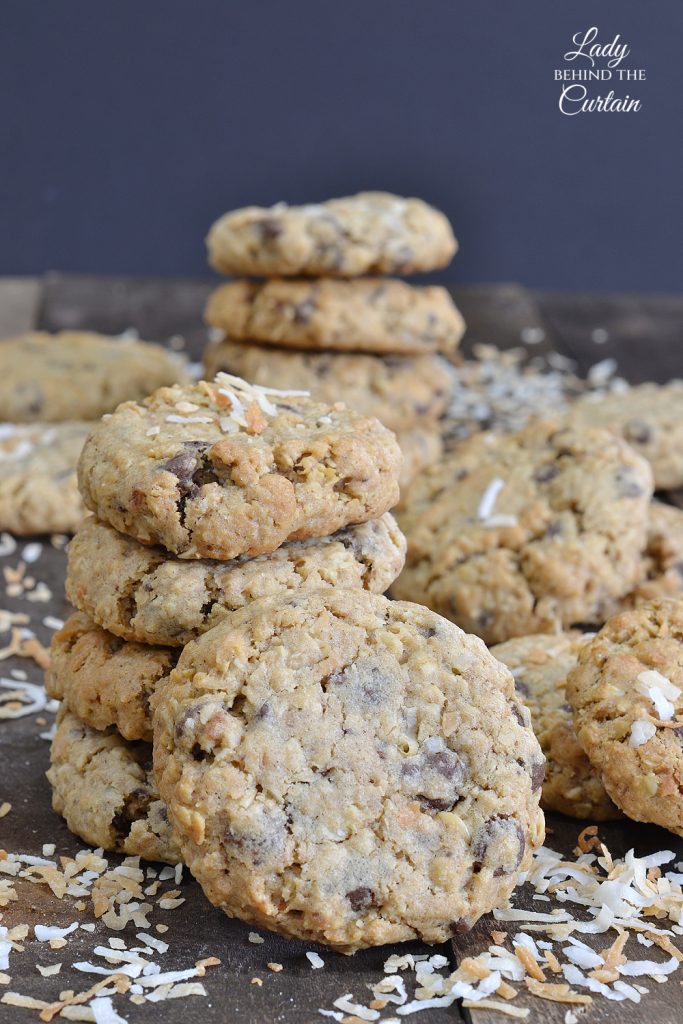
Toasting the coconut adds a rich, roasted flavor that you simply can’t achieve by using it straight from the package. Brown sugar keeps the cookies soft and chewy, while old-fashioned oats create the hearty texture people expect from a bakery-style oatmeal cookie. Add plenty of chocolate chips and just a hint of cinnamon, and you have a cookie that’s familiar enough to satisfy classic cookie lovers while offering something just a little more memorable.
It’s also the kind of recipe that works for almost any occasion. Whether you’re filling the cookie jar for your family, contributing to a holiday cookie exchange, assembling a bake sale table, or preparing thoughtful homemade gifts, these cookies always seem to fit the moment. They’re dependable, easy to make, and just different enough that people will remember them long after the last cookie has disappeared.

Welcome to the Cookie Shop, where every aisle leads to a different collection of cookies. Whether you’re looking for Christmas classics, spooky Halloween treats, giant bakery-style cookies, or everyday favorites, you’ll find the perfect destination below. Simply choose the collection that matches what you’re craving and step inside.
The Cookie Shop is home to every cookie recipe on Lady Behind the Curtain. Instead of scrolling through one long list of recipes, you’ll discover thoughtfully organized collections that make it easy to find exactly what you’re looking for. From classic family favorites and bakery-style creations to seasonal cookies for every holiday, each collection has its own special place in the bakery.
I think every baker has a few recipes they find themselves making again and again, and these cookies have certainly earned a place on that list in my kitchen. There’s something incredibly satisfying about taking familiar pantry ingredients and turning them into a cookie that tastes just a little more special than expected.
I hope these Bakery-Style Toasted Coconut Chocolate Chip Oatmeal Cookies become one of those recipes for you. Whether you’re baking them for a family movie night, adding them to a holiday cookie tray, sharing them with neighbors, or wrapping them up as a homemade gift, I hope they bring smiles with every bite.
Thank you for spending a little time with me here at Lady Behind the Curtain. I always appreciate being part of your baking adventures, and I hope you’ll explore some of my other bakery-style cookie recipes the next time you’re looking for something new to add to your cookie jar.
Happy Baking!
Sheryl
LATEST POSTS
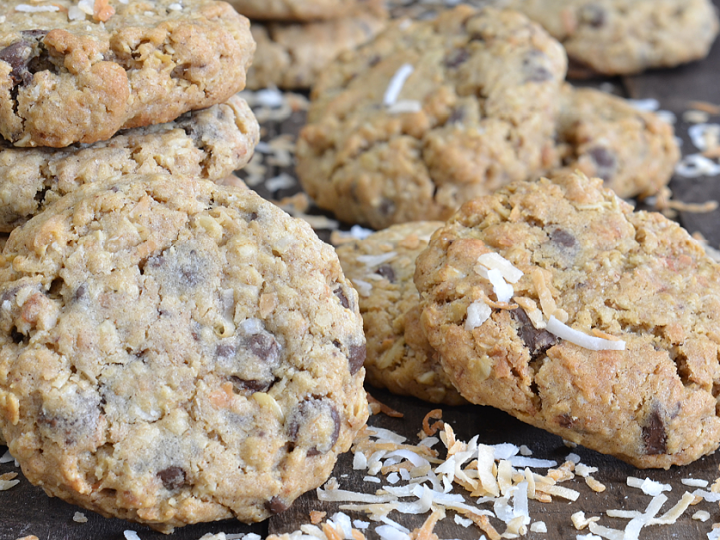
Toasted Coconut Chocolate Chip Oatmeal Cookies
Ingredients
- ¾ cup unsalted butter, softened
- 1 large egg, room temperature
- 1 teaspoon coconut extract
- 1 teaspoon vanilla extract
- 1 cup light brown sugar, packed
- 1¾ cups all-purpose flour
- 1 teaspoon baking powder
- ¼ teaspoon baking soda
- ½ teaspoon cinnamon
- 1/2 cup toasted shredded coconut (see below)
- 1½ cups chocolate chips
- 2 cups rolled oats
Instructions
For the Cookies:
- Preheat oven to 375℉.
- In a small bowl, whisk together the flour, baking powder, baking soda, cinnamon, and coconut.
- Beat butter for 30 seconds until creamy.
- Add the egg, extracts, and sugar.
- Mix well, add the flour mixture to the egg mixture, and mix well.
- Fold in the chips and oats.
- Place tablespoon-sized scoops on a baking sheet.
- Press down each scoop just a bit.
- Bake for 10-12 minutes.
For Toasted Coconut:
- Preheat oven to 350℉.
- Place the measured coconut on a cookie sheet and bake, stirring often, until the coconut reaches a nice golden color.

Frequently Asked Questions
- Can I toast the coconut several days before baking? Yes! Toasted coconut stores beautifully in an airtight container at room temperature for several days. Preparing it ahead of time not only saves time on baking day but also makes it easy to whip up a batch of cookies whenever the craving strikes.
- Why does this recipe use both coconut extract and vanilla extract? Each extract has a different job. Vanilla adds warmth and rounds out the cookie’s flavors, while coconut extract enhances the toasted coconut without making it taste overpoweringly tropical. Together, they create a richer, more balanced flavor than either extract could achieve on its own.
- Will these cookies taste strongly like coconut? Not at all. Toasting the coconut changes its flavor from sweet and tropical to rich and nutty. It blends into the background, adding depth and warmth rather than dominating the cookie, which is why even people who don’t usually enjoy coconut often become fans of this recipe.
- Can I make these cookies for a bake sale or cookie exchange? Absolutely. Their soft, chewy texture holds up well during transport, and the toasted coconut gives them a bakery-style flavor that helps them stand out from more traditional oatmeal or chocolate chip cookies. They’re also sturdy enough to package in bakery boxes, tins, or cellophane bags without breaking easily.
- Do these cookies stay soft after baking? Yes. Thanks to the combination of brown sugar and old-fashioned rolled oats, they remain soft and chewy for several days when stored in an airtight container. In fact, many people find the flavor even better the following day as the ingredients have more time to meld together.
- Can I freeze the baked cookies or the cookie dough? Yes to both. Baked cookies thaw beautifully at room temperature, while frozen cookie dough can be baked straight from the freezer with only a minute or two added to the baking time. Keeping a few portions of dough in the freezer is an easy way to enjoy fresh, homemade cookies whenever you want them.
Can i come live at your house?? You just baked all of my favorite things together in one. Seriously…let me know if I can come live with you. You’ll have someone to eat your cookies! Win/Win!
These look amazing and I like how thick they are! Thanks for sharing – pinning!
You had me at coconut!
Did you use unsweetened coconut?
Hi Dori, No I use sweetened coconut.