
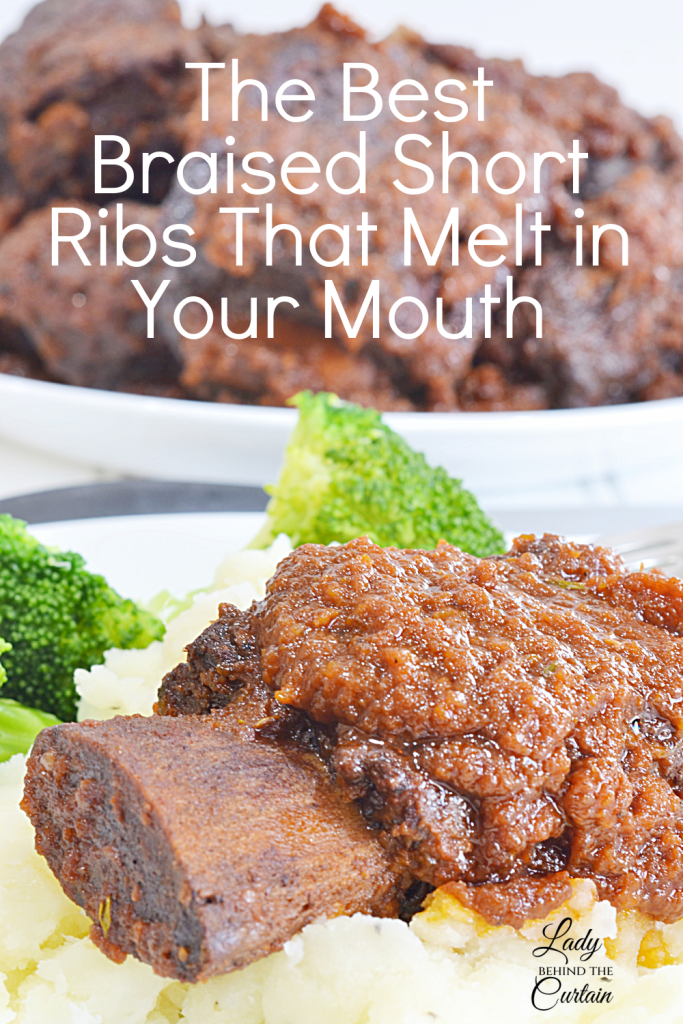
The Best Braised Short Ribs That Melt in Your Mouth
Few meals reward patience quite like braised short ribs. After spending a few hours in the oven, what began as a tough cut of beef transforms into fork-tender bites surrounded by a rich, savory sauce that’s just waiting to be spooned over creamy mashed potatoes. As the Dutch oven slowly works its magic, the kitchen fills with the rich aroma of beef, vegetables, herbs, and red wine, and you know dinner is going to be something special before you even lift the lid.
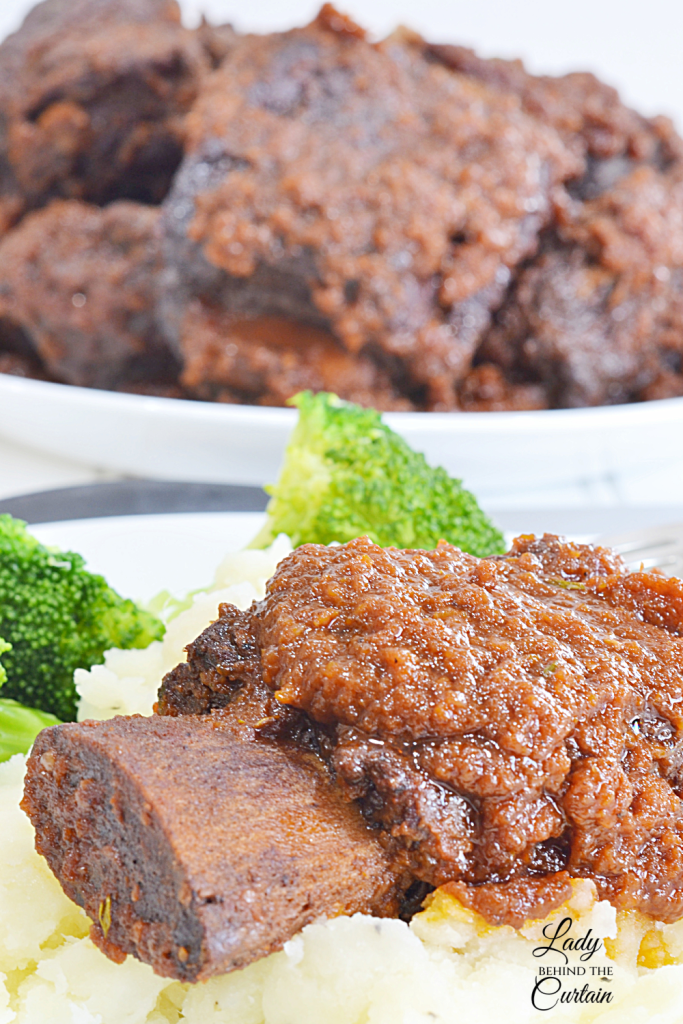
Braised short ribs are the kind of meal that turns an ordinary evening into an occasion. They’re elegant enough for a holiday dinner yet comforting enough for a cozy Sunday supper with the family. Better yet, they’re one of those dishes that seem impressive to guests, even though most of the cooking happens while the oven quietly does all the work.
If you’ve never made braised short ribs before, don’t let the long cooking time intimidate you. Braising is one of the most forgiving cooking methods because time works in your favor. As the meat slowly cooks, it becomes more tender, richer in flavor, and almost impossible to overcook once it reaches that perfect stage of tenderness.
Today I’m sharing everything I’ve learned about making restaurant-quality braised short ribs at home, including why each step matters, how to avoid common mistakes, and the little techniques that make all the difference.
What Are Braised Short Ribs?
Short ribs come from the chuck and plate sections of the cow, areas that work hard during the animal’s lifetime. Because these muscles get plenty of exercise, they develop incredible beefy flavor, but they also contain a large amount of connective tissue.
At first glance, that connective tissue might seem like a disadvantage. In reality, it’s exactly what makes short ribs one of the most luxurious beef dishes you can serve.
Unlike naturally tender cuts such as filet mignon, short ribs need time to reach their full potential. Low, gentle heat slowly breaks down collagen, the connective tissue found throughout the meat. As collagen melts, it transforms into gelatin, creating the rich, silky texture that’s impossible to duplicate with quick-cooking methods.
Instead of slicing like a steak, properly braised short ribs pull apart effortlessly with a fork while remaining incredibly juicy.
Why Braising Is the Secret to Incredible Flavor
Braising combines two cooking techniques into one. The process begins by browning the meat over high heat to develop a flavorful crust. Once that deep caramelization has formed, the meat slowly cooks in liquid inside a covered pot. This combination creates layers of flavor that roasting or simmering alone simply can’t achieve.
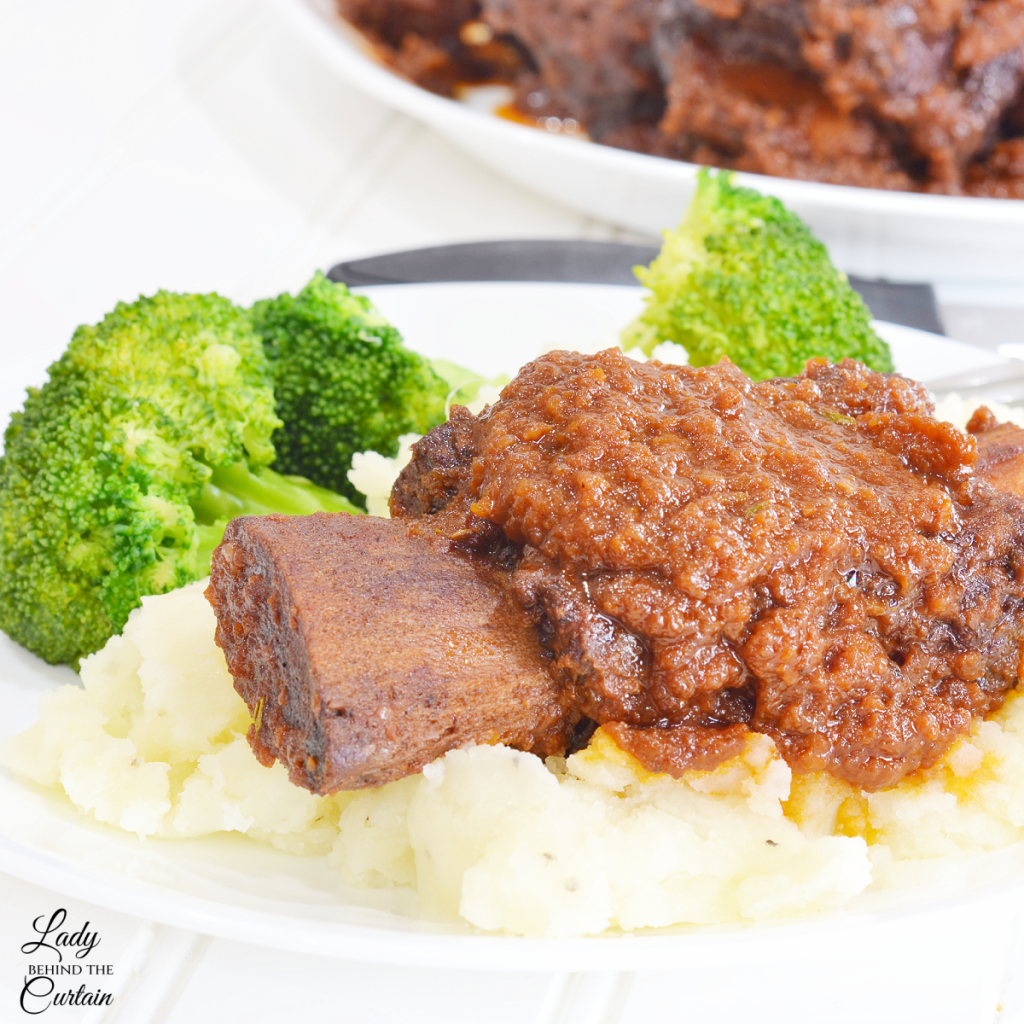
The initial browning creates hundreds of complex flavor compounds through what’s known as the Maillard reaction. This is the same process responsible for the delicious crust on grilled steaks, roasted vegetables, and freshly baked bread.
As the ribs continue cooking in the flavorful liquid, those browned bits dissolve into the sauce, enriching every spoonful with concentrated beef flavor.
The result is meat that’s deeply savory from the outside in, paired with a sauce that’s rich enough to serve over mashed potatoes, creamy polenta, buttered noodles, or crusty artisan bread.
The “Wow!” Moment: Why Tough Meat Becomes More Tender the Longer It Cooks
Here’s something many home cooks don’t realize. A steak cooked for three hours would become dry and chewy, but a short rib becomes more tender. The reason is collagen.
Collagen doesn’t begin breaking down until it reaches approximately 160 degrees. As it slowly melts during several hours of gentle cooking, it converts into gelatin, which naturally thickens the braising liquid while coating every bite of meat with incredible richness.
That’s why patience is one of the most important ingredients in this recipe. Pulling the ribs from the oven too early means the collagen hasn’t had enough time to melt completely. Give them the full cooking time, and you’ll be rewarded with meat that nearly falls off the bone.
Many people assume the meat itself becomes softer from the heat. In reality, it’s the collagen changing into gelatin that creates the luxurious texture everyone loves.
What Makes This Version Worth Making?
There are countless braised short rib recipes, but this one stands apart because every ingredient has a purpose. Instead of simply chopping the vegetables and leaving them in large pieces, they’re pureed into a coarse paste before cooking. As they brown with the tomato paste, they practically melt into the braising liquid, creating a naturally thick, velvety sauce without relying on flour or cornstarch.
The tomato paste is also given time to brown before the liquid is added. This extra step caramelizes the natural sugars, removing any raw tomato flavor while adding remarkable depth to the finished sauce.
Finally, the ribs cook almost completely submerged in the braising liquid. Rather than roasting in dry heat, they’re gently surrounded by moisture, allowing every bite to stay juicy while absorbing the flavors of the wine, herbs, vegetables, and beef.
The finished sauce doesn’t feel like gravy. Instead, it’s deeply concentrated, glossy, and packed with layers of flavor that develop naturally during the long braise.
BEHIND THE CURTAIN: One of my favorite things about serving braised short ribs is that they’re actually better for entertaining than many quick-cooking meals. Once they’re in the oven, there’s very little hands-on work left, giving you plenty of time to prepare side dishes, set the table, or simply enjoy your guests instead of standing over the stove.
Which Ingredients Make the Biggest Difference?
Not every ingredient contributes equally to the finished dish. While each one has an important role, a few deserve special attention because they’re responsible for the signature flavor and texture.
| Ingredient | Why It Matters |
|---|---|
| Bone-in short ribs | The bones contribute additional richness to the braising liquid while helping the meat stay moist during the long cooking time. |
| Tomato paste | Browning the tomato paste develops natural sweetness while adding deep savory flavor and beautiful color. |
| Red wine | Adds acidity, balances the richness of the beef, and creates incredible depth in the finished sauce. |
| Onion, celery, and carrots | These classic aromatics build the foundation of flavor and become part of the silky sauce after slowly cooking. |
| Fresh thyme and bay leaves | Infuse the braising liquid with subtle herbal notes without overpowering the beef. |
Each ingredient builds upon the last, creating layers of flavor that continue developing throughout the long braise. Nothing competes with the beef. Instead, every component works together to make the meat taste even richer and more satisfying.
The Ingredients Doing the Heavy Lifting
Braised short ribs don’t rely on a long list of ingredients. Instead, each one has an important job, building layers of flavor that slowly develop as the ribs cook. By the time dinner is served, the ingredients have blended together into a rich sauce where no single flavor overpowers the others.
- The short ribs are, of course, the star of the meal, but the vegetables deserve just as much credit. Onion, celery, and carrots form the classic French flavor base known as mirepoix. As they cook, their natural sugars caramelize, adding sweetness that balances the richness of the beef and the acidity of the wine.
- The tomato paste plays a much bigger role than adding tomato flavor. Cooking it until it darkens develops deep, savory notes while removing any raw, acidic taste. Those few extra minutes create a sauce with noticeably more depth and color.
- Fresh thyme and bay leaves quietly season the braising liquid from beginning to end. Unlike dried herbs, fresh thyme releases its flavor gradually during the long cooking time, adding an earthy note that complements the beef without taking center stage.
Choosing the Best Short Ribs
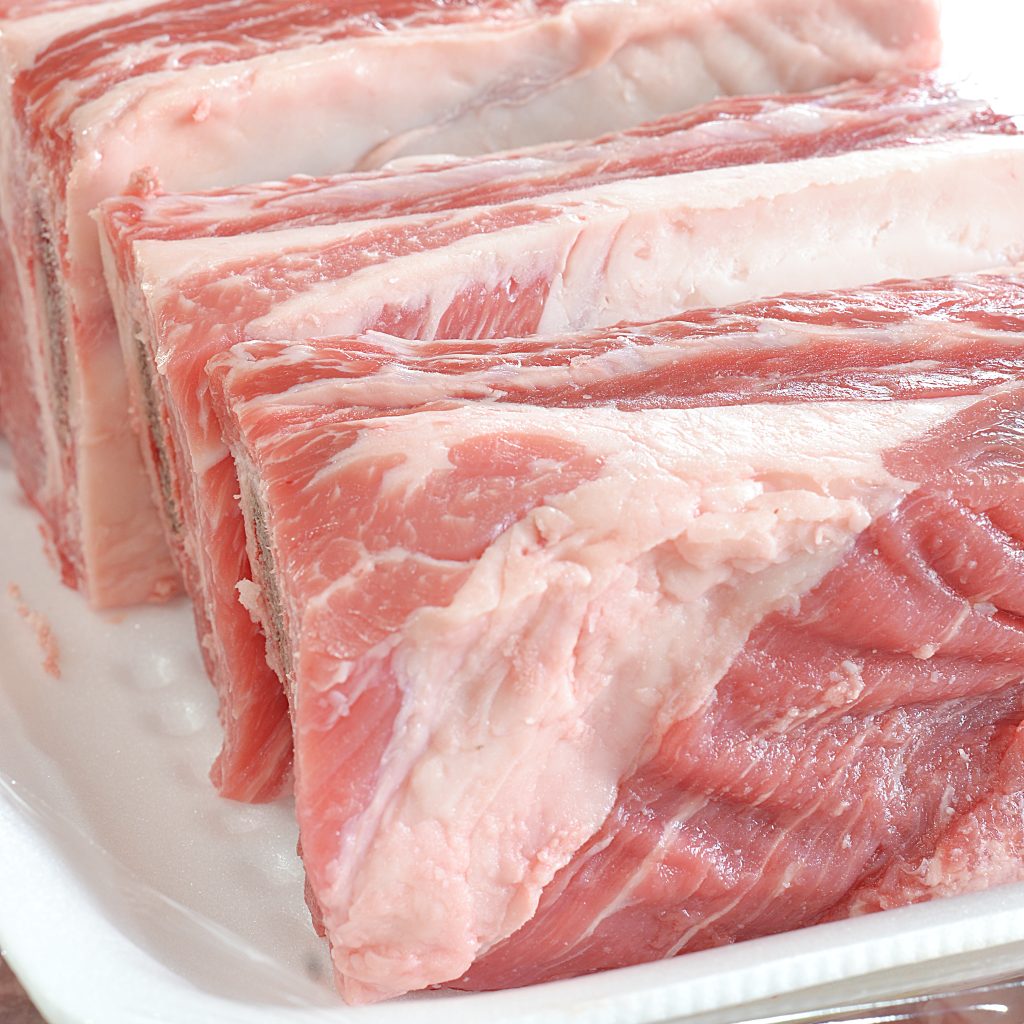
Not all short ribs look alike, and knowing what to buy makes a noticeable difference. For this recipe, look for bone-in English-cut short ribs. These are thick, individual pieces of beef with a section of bone running through each one. They contain plenty of marbling, which slowly melts during braising, keeping the meat moist and flavorful.
Avoid ribs that have very little meat covering the bone. While they’ll still taste good, you’ll end up with more bone than beef after several hours in the oven.
When possible, choose ribs that are similar in size. Uniform pieces cook at the same rate, so every serving reaches that fall-apart texture at the same time.
BEHIND THE CURTAIN: If I have several packages to choose from, I always compare them instead of grabbing the first one. A package with thicker, evenly sized ribs is worth the extra minute it takes to look.
Why Browning Is Worth Every Minute
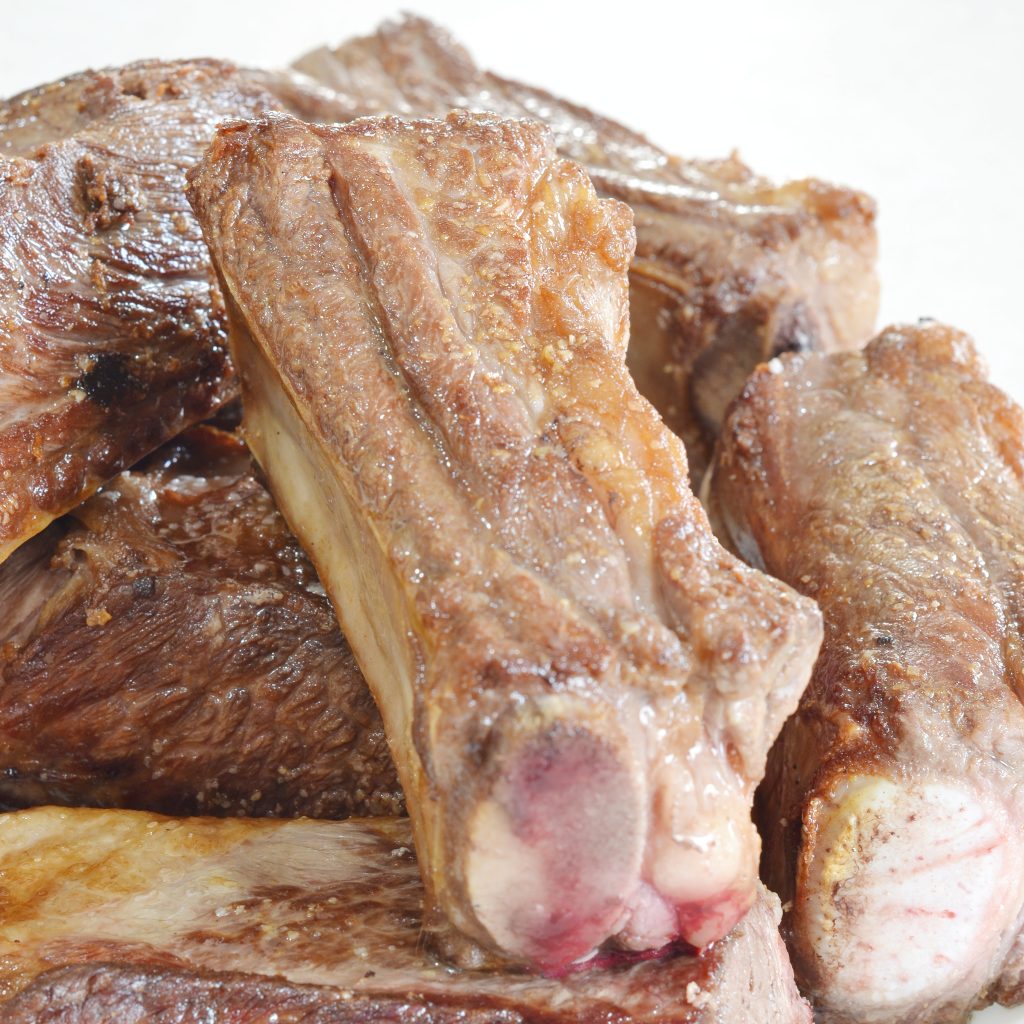
The first step in making braised short ribs requires the most attention, but it’s also the one that has the biggest impact on flavor. When the ribs hit a hot pan, proteins and natural sugars on the surface begin to brown. This creates hundreds of new flavor compounds that simply can’t develop once liquid is added.
It’s tempting to rush this step by turning the meat too soon or crowding the pan. Both prevent proper browning. If the pan is overcrowded, moisture becomes trapped around the meat, causing it to steam instead of develop a deep brown crust.
Working in batches may take a few extra minutes, but those browned surfaces become part of the finished sauce later. Every bit of color you build at the beginning contributes to the finished flavor.
Why Puree the Vegetables?
Most braised short rib recipes call for roughly chopped vegetables, leaving them in the finished sauce or straining them out before serving. This recipe takes a different approach by pureeing the raw vegetables into a coarse paste before cooking.
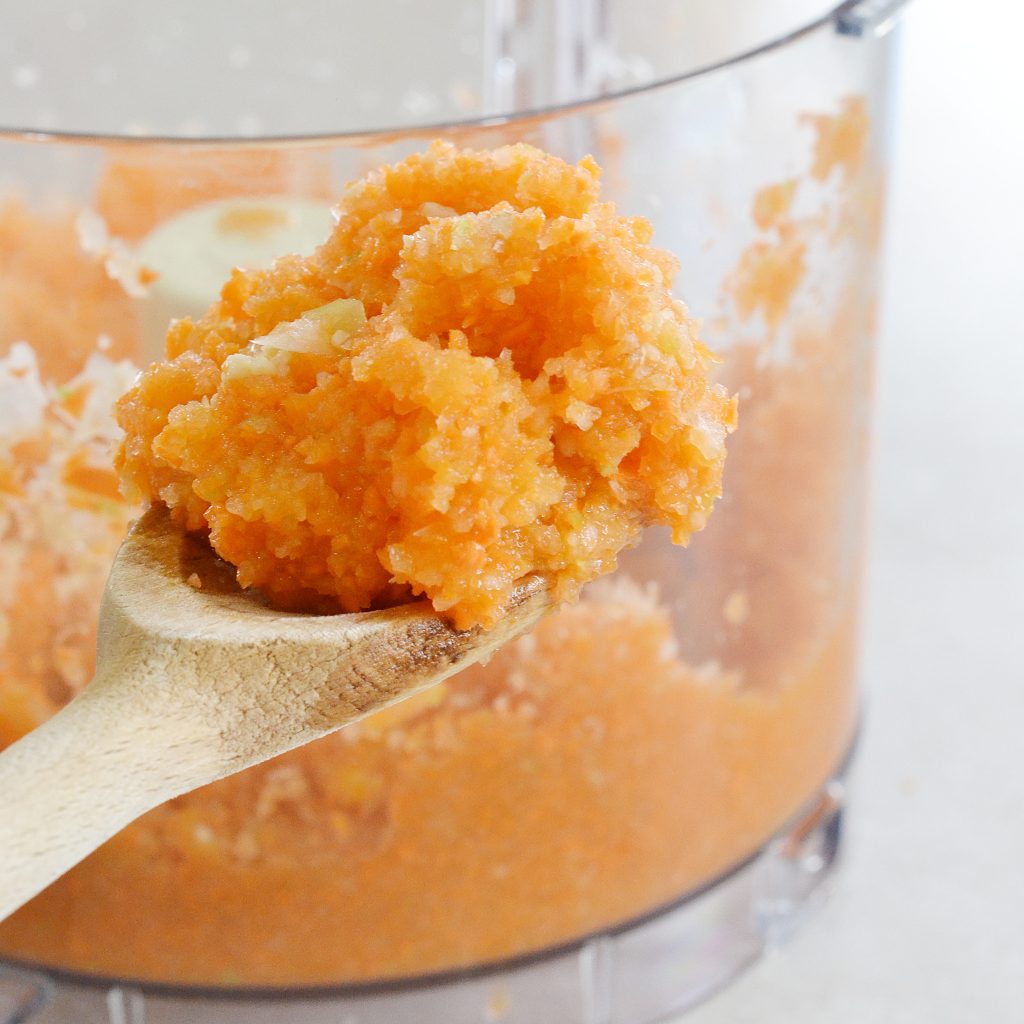
The smaller pieces brown more evenly, allowing them to caramelize without leaving large chunks in the finished sauce. As the ribs slowly braise, the vegetables continue to break down until they become part of the liquid itself. The result is a naturally thickened sauce with a smooth texture that clings beautifully to the meat instead of pooling around it. It’s an easy technique that gives the finished dish the appearance of a sauce that has been carefully reduced for hours.
What Does the Red Wine Actually Do?
Some people assume the wine is added simply for flavor, but it does much more than that. Red wine contributes acidity, which helps balance the richness of the beef while adding another layer of complexity to the braising liquid. As the wine simmers, it dissolves many of the flavorful browned bits left on the bottom of the pot after searing the meat and vegetables. Those browned bits contain concentrated flavor that would otherwise stay stuck to the pan.
Many home cooks also wonder if the finished dish will taste strongly of wine. After several hours of cooking, the wine’s sharpness softens considerably. Instead of tasting like wine, the sauce develops a rich, savory flavor with subtle fruity notes that support the beef rather than compete with it.
Small Steps That Make a Big Difference
Braised short ribs are forgiving, but paying attention to a few details helps guarantee tender meat and a flavorful sauce every time.
| Step | Why It Matters |
|---|---|
| Season the ribs generously before browning. | Salt begins seasoning the meat from the very first step. |
| Brown the ribs in batches. | Prevents steaming and creates better color. |
| Brown the vegetable puree well. | Adds sweetness and depth to the finished sauce. |
| Cook the tomato paste until it darkens. | Develops a richer, less acidic flavor. |
| Scrape the bottom of the pot after adding the wine. | Incorporates concentrated browned bits into the sauce. |
| Keep the ribs mostly covered with liquid. | Helps them cook evenly and stay moist throughout the braise. |
Each of these steps may seem small on its own, but together they create the rich flavor and tender texture that make braised short ribs worth the wait.
How Do You Know the Short Ribs Are Done?
Time is an excellent guide when braising, but tenderness is the true measure of doneness. When the short ribs have finished cooking, a fork should slide easily into the meat with very little resistance. The meat should hold its shape when served but separate effortlessly as you take a bite. If you have to tug or pull with the fork, the collagen hasn’t finished breaking down, and the ribs need more time in the oven.
One of the biggest mistakes home cooks make is assuming the meat is overcooked because it still feels firm after the recommended cooking time. In most cases, the opposite is true. Give the ribs another 20 to 30 minutes and test them again. That extra time often makes the difference between good short ribs and unforgettable ones.
Remember that every Dutch oven, every oven, and every piece of meat cooks a little differently. Learning to judge doneness by texture instead of the clock will make you a more confident cook, not only with short ribs but with other braised dishes as well.
Building the Perfect Plate
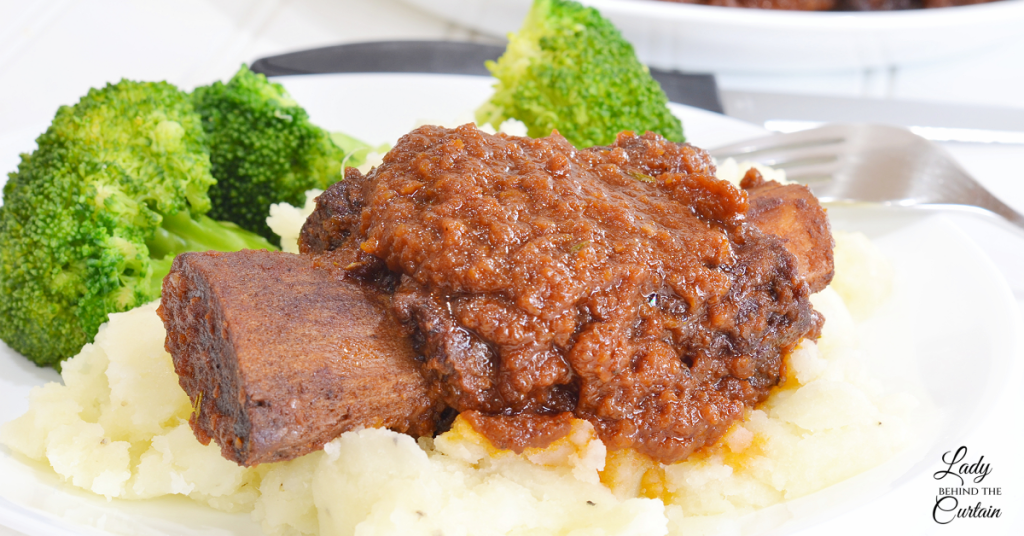
Braised short ribs deserve a side dish that makes the most of every spoonful of sauce. Since the braising liquid is packed with concentrated flavor, choose accompaniments that soak it up rather than compete with it.
Creamy mashed potatoes are a classic pairing because their mild flavor allows the beef to remain the star of the meal. Buttery polenta offers a slightly richer option with a smooth texture that complements the tender meat. Buttered egg noodles are another excellent choice, especially when you’re looking for a comforting family dinner.
If you’d like to balance the richness of the meal, serve a simple green vegetable alongside the ribs. Roasted asparagus, steamed green beans, sautéed spinach, or roasted Brussels sprouts provide freshness without distracting from the main course.
A loaf of crusty artisan bread is always welcome at the table. Even after the short ribs are gone, no one wants to leave a drop of that flavorful sauce behind.
Serving Ideas for Every Occasion
| Occasion | How to Serve |
|---|---|
| Sunday Family Dinner | Mashed potatoes, green beans, warm bread |
| Holiday Meal | Parmesan polenta, roasted carrots, dinner rolls |
| Date Night | Creamy risotto and roasted asparagus |
| Casual Dinner Party | Buttered egg noodles, Caesar salad, rustic bread |
| Cold Weather Comfort Meal | Mashed potatoes with roasted root vegetables |
Changing the side dishes is an easy way to make the meal feel different each time you prepare it.
Can Braised Short Ribs Be Made Ahead?
In many ways, braised short ribs are even better the next day. As the ribs rest in the refrigerator overnight, the flavors continue to develop and blend together. The sauce becomes richer, and the beef absorbs even more of the braising liquid.
Another advantage of making them ahead is that the fat naturally rises to the top and solidifies as the dish chills. This makes it easy to remove excess fat before reheating, resulting in a cleaner, more balanced sauce.
If you’re entertaining, preparing the short ribs a day in advance can make dinner far less stressful. On serving day, simply warm everything gently over low heat or in a covered Dutch oven until heated through.
BEHIND THE CURTAIN: Whenever I’m serving braised short ribs for guests, I almost always make them the day before. It gives me more time to enjoy everyone at the table instead of worrying about timing dinner perfectly.
Storing and Freezing Leftovers
Like many slow-cooked meals, braised short ribs store beautifully. Allow the ribs to cool before transferring them, along with the braising liquid, to an airtight container. Keeping the meat submerged helps prevent it from drying out while refrigerated.
| Storage Method | How Long |
| Refrigerator | Up to 4 days |
| Freezer | Up to 3 months |
When freezing, store the ribs and sauce together in freezer-safe containers or heavy-duty freezer bags. Thaw overnight in the refrigerator before reheating for the best texture. Reheat gently over low heat, adding a splash of water or beef broth if the sauce has thickened more than you’d like.
Why This Recipe Belongs in Your Recipe Collection
Some recipes are worth making once. Others become the meals everyone requests again and again. These braised short ribs belong in the second category.
They’re comforting without being ordinary, elegant without being complicated, and impressive without requiring hours of active work in the kitchen. Once you understand the simple techniques behind braising, you’ll discover that this recipe isn’t difficult at all. It simply asks for time, and that time is rewarded with deeply developed flavor and incredibly tender beef.
Whether you’re serving them for a holiday dinner, a birthday celebration, or simply because the weather calls for comfort food, this is the kind of meal that brings people to the table and encourages them to linger a little longer.
MORE DINNER RECIPES WORTHY TO BE SERVED AT A DINNER PARTY
Common Questions About Braised Short Ribs
By now, you know why braising creates incredibly tender short ribs and how each step contributes to the finished dish. If you still have a few questions before heading to the recipe card, here are answers to some of the most common ones.
- Can I make braised short ribs in advance? Absolutely! In fact, many cooks think they’re even better the next day. As the ribs rest in the refrigerator overnight, the flavors continue to develop, making this an excellent recipe for entertaining or holiday meals.
- What’s the best red wine to use? Choose a dry red wine you enjoy, such as Cabernet Sauvignon, Merlot, Pinot Noir, or Côtes du Rhône. There’s no need to buy an expensive bottle, but avoid cooking wines since they often contain added salt and preservatives that can affect the sauce’s flavor.
- Can I make this recipe without a Dutch oven? Yes. Any heavy, oven-safe pot with a tight-fitting lid will work. The goal is to maintain steady heat while keeping enough moisture inside the pot for the ribs to braise properly.
- Can I prepare this recipe in a slow cooker? While this recipe was developed for oven braising, you can adapt it for a slow cooker. Be sure to brown the ribs, vegetables, and tomato paste first to develop the rich flavors that make this dish so memorable before transferring everything to the slow cooker.
- What should I do if the sauce is thinner than I expected? Remove the cooked short ribs from the pot and simmer the braising liquid on the stovetop for several minutes until it reaches your preferred consistency. The flavors will become even more concentrated as the sauce reduces.
- Can I use the leftover sauce for another meal? Definitely. The braising liquid is packed with flavor and shouldn’t go to waste. Spoon it over mashed potatoes, stir it into cooked egg noodles, or use it as the base for a hearty beef soup later in the week.
- Can I make this recipe for a larger group? Yes. Braised short ribs are an excellent choice for feeding a crowd because the recipe doubles well. Just be sure the ribs fit in a single layer in your cooking vessel so they braise evenly.
LATEST POSTS
A Letter from My Kitchen to Yours
One of my favorite things about cooking is watching simple ingredients become something far greater than they were at the beginning. Braised short ribs are a perfect example. With a little patience and a handful of everyday ingredients, you can create a meal that feels special enough for company but comforting enough for family dinner.
I hope this recipe finds its way to your table on a chilly evening when everyone is ready to slow down, share a meal, and enjoy each other’s company. Those are the moments I treasure most, and I hope this recipe helps create a few of those memories in your home too.
Happy cooking,
Sheryl
The Best Braised Short Ribs That Melt in Your Mouth
Ingredients
- 8 bone in short ribs (about 5 1/2 pounds)
- 4 tablespoons olive oil, divided
- 1 large white onion, cut into 1/2 inch pieces
- 2 celery ribs, cut into 1/2 inch pieces
- 2 large carrots, peeled and cut into 1/2 inch pieces
- 2 garlic cloves, smashed
- 1 (12 ounce) can tomato paste
- 3 cups red wine
- 2 cups water
- 1 bunch fresh thyme, tied with kitchen string
- 2 bay leaves
Instructions
- Season each short rib generously with salt.
- Add 3 tablespoons olive oil to a large pot (I used a cast-iron Dutch oven) and heat over high heat.
- Add the short ribs to the pan; brown very well (about 2-3 minutes per side). Cook in batches.
- Preheat oven to 375°. While short ribs are browning, puree all the vegetables and garlic in a food processor until it forms a coarse paste (NOTE: The vegetables are raw).
- When the short ribs are browned on all sides, remove them from the pan. Drain the fat, and add another tablespoon of olive oil. Add the purred vegetables, season with salt. Brown for 7 minutes. Add the tomato paste and brown for 7 minutes.
- Add the wine; scrape the bottom of the pan. Return the short ribs to the pan and add water (NOTE: Make sure the ribs are covered with liquid; if not, add more water).
- Add the thyme and bay leaves. Cover, bake 1 hour and 30 minutes, turn ribs over, cover, and continue cooking another 1 hour and 10 minutes. Remove lid and continue cooking another 20 minutes. Serve with braising liquid.

Comments
The Best Braised Short Ribs That Melt in Your Mouth — No Comments
HTML tags allowed in your comment: <a href="" title=""> <abbr title=""> <acronym title=""> <b> <blockquote cite=""> <cite> <code> <del datetime=""> <em> <i> <q cite=""> <s> <strike> <strong>