





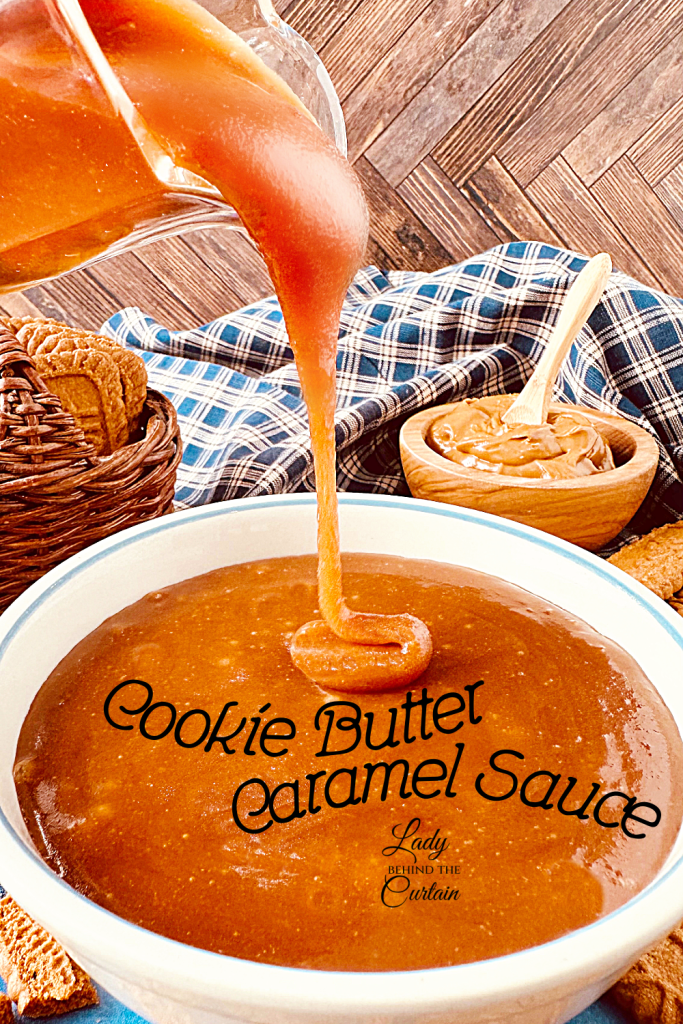
Cookie Butter Caramel Sauce
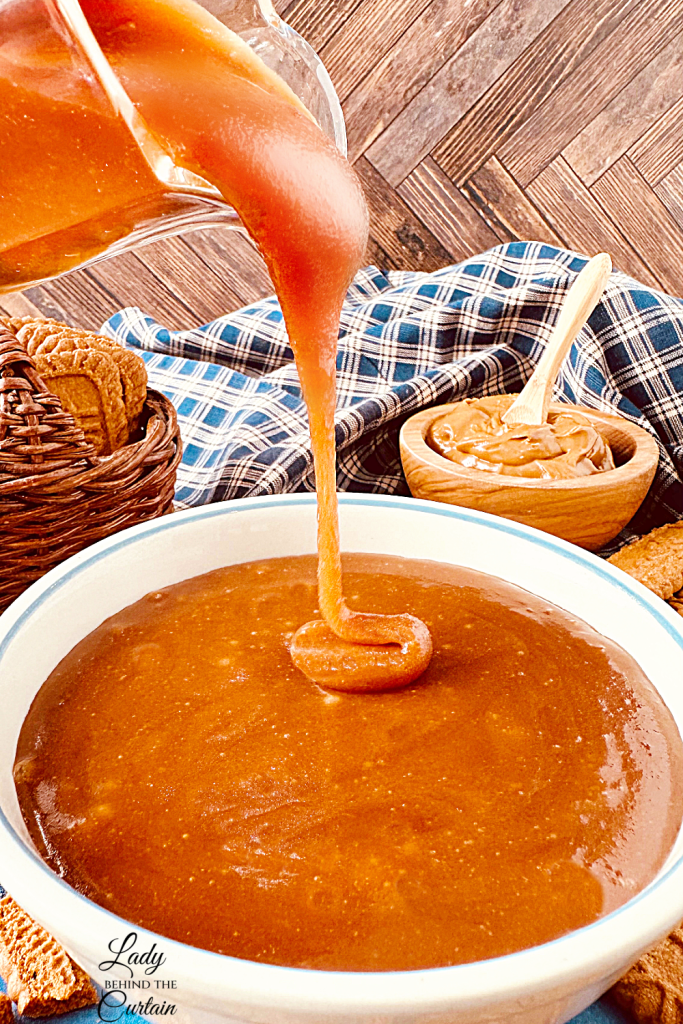
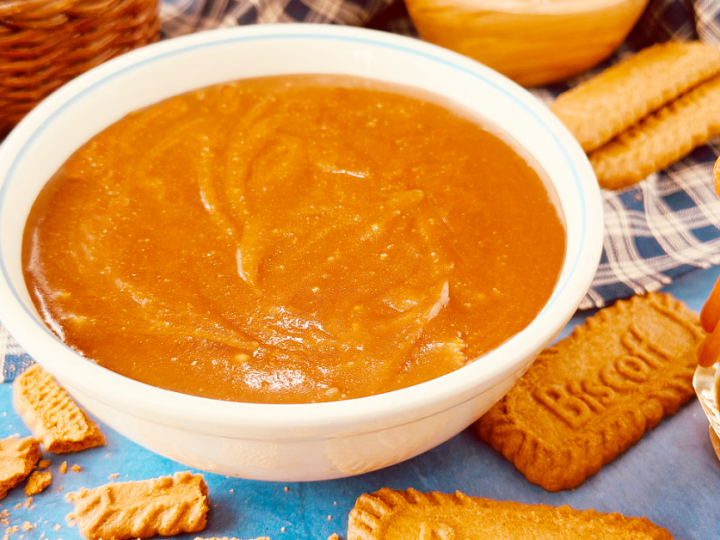
There is caramel sauce, and then there is Cookie Butter Caramel Sauce, the kind that makes you start looking around the kitchen for something else to drizzle it over. It begins with a true cooked-sugar caramel for that deep, slightly toasted flavor, then creamy cookie butter is whisked in to add warm brown sugar and spiced-cookie notes. The result tastes familiar and completely different at the same time.
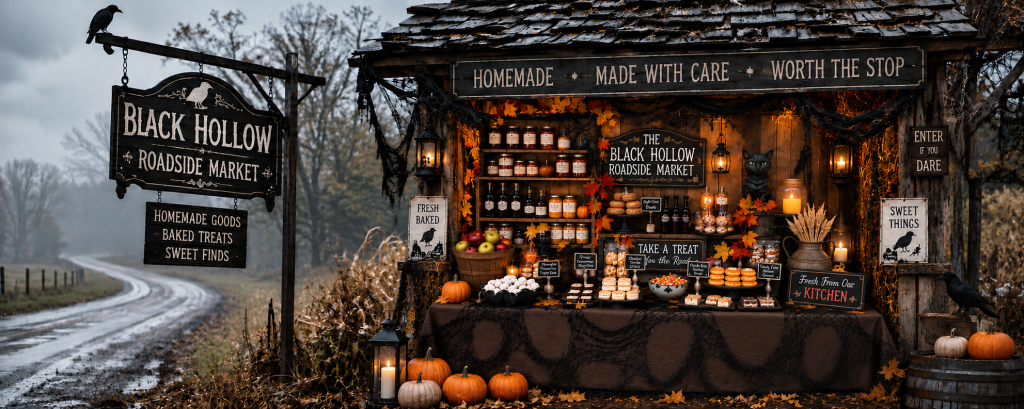
This is Recipe #7 on the shelves of the Black Hollow Roadside Market, where a jar of homemade caramel feels right at home among all the bakery treats and pantry treasures. And this one earns its place. It is thick and luxurious without being candy-like, rich without losing the flavor of the caramelized sugar, and just unusual enough to make someone stop and ask, “What is in this?”
Where Caramel Meets the Cookie Jar
Cookie butter is practically made for caramel. Its caramelized-cookie flavor brings notes of brown sugar, toasted flour, and warm spice, all flavors that naturally complement cooked sugar.
But the order in which those flavors are built matters.
The caramelized sugar provides the foundation. Cooking sugar until it develops a warm honey color creates toasted, nutty, slightly bittersweet flavors that plain sugar simply doesn’t have. Cookie butter is added only after that caramel flavor has been established, so it becomes another layer rather than the entire personality of the sauce.
Butter and heavy cream soften the sharper edges of the caramelized sugar while giving the sauce richness and body. Cookie butter thickens it further and brings its unmistakable spiced-biscuit flavor.
Salt has a quieter job. This isn’t meant to be a salted caramel, so the salt shouldn’t announce itself. A small amount reins in the sweetness and makes the caramel and spice notes easier to taste.
Vanilla rounds everything out at the end, tying together the dairy, cooked sugar, and cookie flavors without competing with them.
What Each Flavor Brings to the Jar
| Flavor Element | What It Contributes |
|---|---|
| Caramelized sugar | Toasted, deep caramel flavor |
| Heavy cream | Smoothness and a softer caramel finish |
| Butter | Richness and silky mouthfeel |
| Cookie butter | Warm spice and caramelized biscuit flavor |
| Salt | Balances sweetness |
| Vanilla | Rounds out and connects the flavors |
Wow! I Never Knew That… Caramelization isn’t simply sugar “melting.” As sugar becomes hot enough, its molecules begin breaking apart and rearranging into hundreds of new compounds responsible for caramel’s changing color, aroma, and flavor. That’s why pale caramel and dark amber caramel can taste dramatically different even though they began with exactly the same ingredient.
The Honey-Colored Sweet Spot
The clock is helpful when making caramel, but color is the better guide.
Cookware, burner strength, pan diameter, and batch size can all affect how quickly sugar caramelizes. Two batches cooked for exactly the same number of minutes can reach different stages.
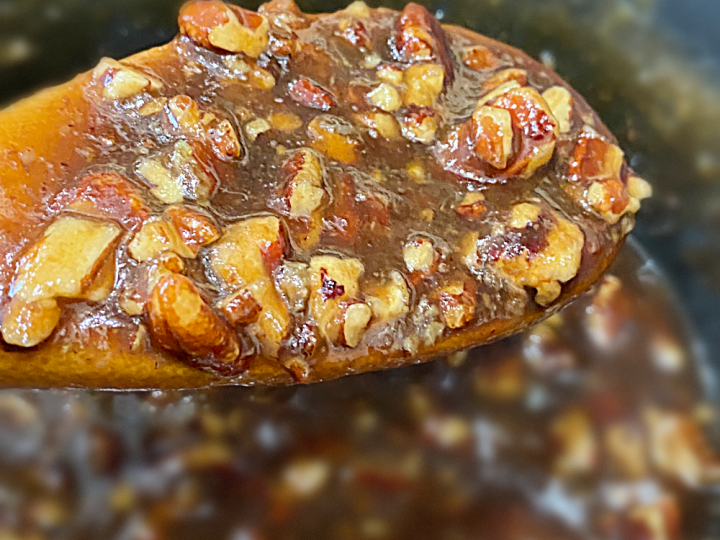
For this sauce, you’re looking for a beautiful honey color. That gives the sugar enough caramelization to stand up to the cookie butter without pushing it into a darker, more bitter territory.
Let the Color Tell You What’s Happening
| What You See | What’s Happening | Flavor Result |
|---|---|---|
| Clear bubbling syrup | Water is evaporating | Mostly sweet |
| Very pale yellow | Caramelization is beginning | Mild caramel |
| Golden honey | Ideal stage for this sauce | Rich, balanced caramel |
| Deep amber | More intense caramelization | Strong, bittersweet caramel |
| Very dark brown | Sugar is approaching burnt | Bitter or scorched |
A wide skillet is useful because its larger surface area encourages water to evaporate efficiently. Don’t worry if the syrup bubbles for a long time without changing color. Much of the early cooking time is spent driving off water. Once enough water is gone and the temperature climbs, the color can change surprisingly quickly.
Behind the Curtain Tip: Once you see a definite golden color developing, stay beside the stove. The final color change happens much faster than the long bubbling stage that came before it.
The Big Bubble-Up
Adding cream is easily the most dramatic part of caramel making.
Hot caramel is at a much higher temperature than boiling water. Cream contains a significant amount of water, so when it meets that extremely hot sugar, the water rapidly turns to steam. The mixture can foam and climb almost instantly.
That reaction is expected, not a sign that something has gone wrong.
A generously sized skillet gives the caramel room to expand. A long-handled whisk also lets you work without putting your hands directly over the rising steam.
Sometimes the caramel temporarily forms firm pieces when the cream is added. That can look alarming, but it is usually just a temperature reaction. Gentle heat allows those hardened pieces to melt back into the sauce.
Before the Cream Goes In
A little preparation makes this stage much easier:
- Have the cream, butter, and salt measured and ready.
- Use a pan with plenty of room for bubbling.
- Keep a long-handled whisk nearby.
- Move slowly when adding the cream.
- Keep your hands and face away from the steam.
- Don’t touch or taste hot caramel.
- Expect vigorous bubbling rather than trying to prevent it.
Once the mixture returns to a smooth sauce, the cookie butter can join the caramel. Because the cookie spread brings both fat and finely ground cookie solids, it adds noticeable body as well as flavor.
One Jar, Three Different Textures
Caramel changes dramatically as it cools, and this is where it’s easy to misjudge a perfectly good batch.
Hot caramel is naturally much thinner than cooled caramel. Butterfat becomes firmer as the temperature drops; the fats in cookie butter also firm up, and the sugar syrup itself becomes more viscous.
That means a sauce that looks loose in the skillet may be exactly right once it reaches room temperature.
Your Caramel Texture Guide
| Temperature | Expected Texture | Best For |
|---|---|---|
| Warm | Thin and flowing | Ice cream, pancakes, waffles |
| Room temperature | Thick, glossy and spoonable | Cheesecake, brownies, dipping |
| Refrigerated | Very thick | Storage or dessert filling |
| Gently rewarmed | Smooth and pourable | Drizzling and serving |
The important lesson is simple: don’t make major adjustments while the caramel is piping hot.
Let it cool enough to reveal its actual texture first. Otherwise, you may thin a sauce that would have been perfect once it cooled.
When Smooth Caramel Turns Grainy and Crunchy
Few caramel surprises are more disappointing than pouring a beautiful, silky sauce into a jar only to discover later that it has developed a sandy or crunchy texture.
The timing of that change tells you something important.
If your caramel was smooth while warm but became grainy or crunchy after cooling, sugar crystallization is the most likely cause.
Sugar molecules have begun arranging themselves into crystals. Those crystals may be too small to notice while the sauce is warm because sugar is more soluble at higher temperatures. As the caramel cools, the crystals become easier to feel.
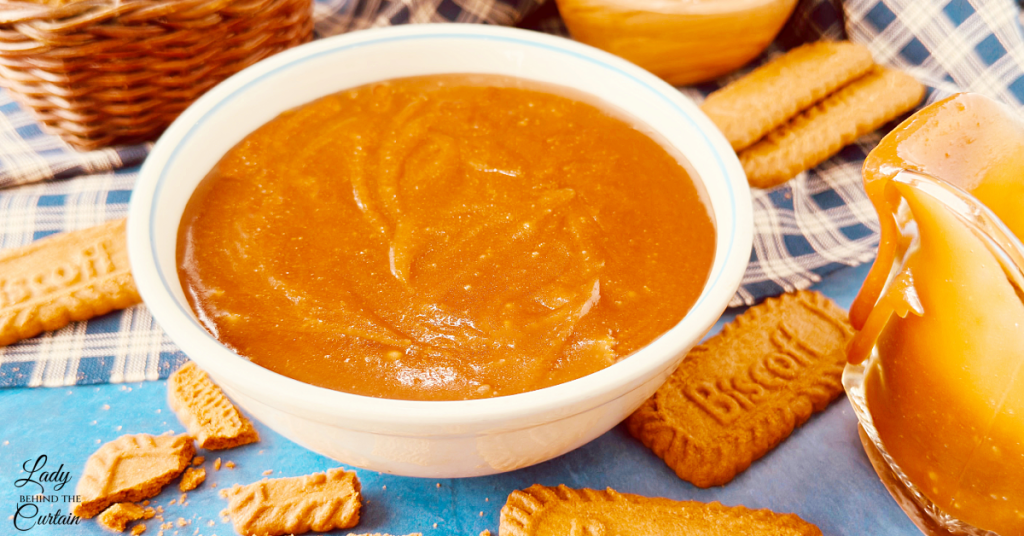
This is different from caramel simply becoming thick in the refrigerator. Thick caramel should still feel completely smooth on your tongue. Crystallized caramel has identifiable sandy or crunchy particles.
Caramel Trouble at a Glance
| What You Notice | Likely Problem | First Response |
|---|---|---|
| Smooth but very thick | Normal cooling | Warm gently |
| Sandy or crunchy | Sugar crystallization | Gently reheat |
| Oily surface | Emulsion separation | Warm and whisk |
| Hard caramel pieces after cream | Temperature shock | Return to gentle heat |
| Too thin while hot | May be completely normal | Cool before adjusting |
| Bitter taste | Sugar cooked too dark | Start over |
| Pale and mostly sweet | Sugar wasn’t caramelized enough | Cook to deeper color next time |
How Crystals Sneak Into Caramel
Sugar crystallization can begin with something surprisingly small.
A few undissolved sugar crystals on the side of the skillet can fall back into the syrup. A utensil with sugar crystals attached can introduce them. Excessive agitation once the syrup is boiling can also encourage sugar molecules to begin organizing themselves into crystals.
Once one crystal forms, it can become a starting point for others.
Light corn syrup makes the caramel more resistant to this process. Its glucose molecules interfere with sucrose molecules lining themselves up neatly into crystals. Think of trying to stack identical boxes while someone keeps slipping differently shaped boxes into the pile. Everything has a harder time fitting together.
Corn syrup makes caramel more forgiving, but it cannot guarantee that crystallization will never happen.
The Anti-Crystal Checklist
Before your next batch, check these off:
- ✓ Start with a clean pan.
- ✓ Use clean utensils.
- ✓ Make sure the sugar dissolves properly.
- ✓ Avoid scraping dried sugar from the pan walls into the syrup.
- ✓ Limit unnecessary stirring once the syrup is boiling.
- ✓ If needed, wash sugar crystals from the sides with a wet pastry brush.
- ✓ Keep your storage jar clean and dry.
- ✓ Don’t mistake normal refrigerated thickness for crystallization.
Behind the Curtain Tip: If your caramel is crunchy, don’t automatically reach for more butter. Butter adds richness and can help an emulsion, but it doesn’t address the real problem when sugar has crystallized. Those sugar crystals need to dissolve again.
Rescuing a Crunchy Batch
Before trying to fix the entire jar, test a small spoonful.
Bring it closer to room temperature and taste the texture. If it is thick but completely smooth, nothing needs rescuing. It simply became firm while cold.
If you can feel distinct sugar crystals, start with gentle heat. Warming the sauce may allow those crystals to dissolve back into the available liquid.
If gentle reheating isn’t enough, a small amount of warm cream can help by introducing additional liquid to dissolve the crystals. Add it sparingly while warming and whisking. Too much cream will fix one problem while creating another by making the caramel thinner than intended.
The Rescue Path
Crunchy caramel → Gently reheat → Whisk until completely warm → Check texture
If smooth: Cool again and recheck
If still grainy: Add a small amount of warm cream → Whisk over gentle heat → Cool and recheck
If it repeatedly recrystallizes: Repurpose it rather than continuing to cook it
A severely crystallized caramel can sometimes become smooth when reheated, only to crystallize again as it cools. Repeatedly adding liquid and reheating can eventually change the intended flavor and consistency.
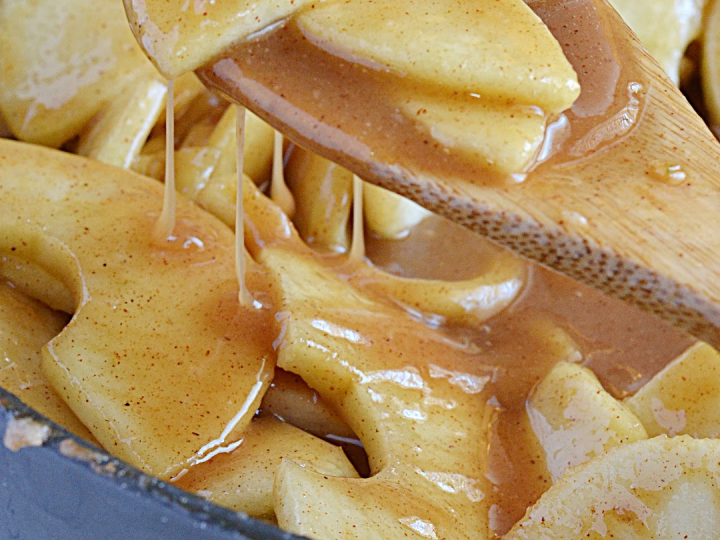
At that point, the caramel doesn’t necessarily belong in the trash. Warm it and use it where perfect drizzle consistency doesn’t matter, such as over baked apples, stirred into bread pudding, incorporated into a warm dessert sauce, or layered into another dessert.
Thick, Grainy, or Oily: Know the Difference
Not every texture problem is crystallization.
Caramel sauce is an emulsion, which means ingredients that don’t naturally remain combined are held together in a smooth mixture. In this sauce, cream contributes water and fat, while butter and cookie butter add additional fat.
If that emulsion begins to break, the caramel may look slick, oily, or greasy rather than sandy.
The Fingerprint of Each Problem
CRYSTALLIZATION
Texture: Sandy or crunchy
Appearance: May still look normal
Problem: Sugar crystals
Goal: Redissolve the crystals
SEPARATION
Texture: Greasy or slick
Appearance: Oil may collect on top
Problem: Fat and liquid separating
Goal: Restore the emulsion
NORMAL COOLING
Texture: Thick but smooth
Appearance: Uniform
Problem: None
Goal: Gently warm for serving
This distinction matters because the solution should match the problem. Adding butter to crystallized caramel or aggressively boiling separated caramel can make matters worse.
The Cookie Butter Caramel Pairing Board
Once the caramel is tucked safely into its jar, the fun part begins.
Cookie butter has enough warm spice to feel at home with fall desserts, but it isn’t limited to them. Its toasted biscuit flavor works surprisingly well with chocolate, coffee, vanilla, fruit, and salty snacks.
Instead of adding cookie butter to the dessert itself, let the caramel provide that flavor. This keeps the pairing from becoming overwhelmingly sweet.
| Pair It With | Why It Works |
|---|---|
| Tart apples | Acidity balances the sweet caramel |
| Pears | Mild fruit lets the spices stand out |
| Vanilla ice cream | Neutral base highlights the caramel |
| Cheesecake | Tangy filling balances richness |
| Brownies | Dark chocolate contrasts with spiced sweetness |
| Bread pudding | Soft, warm dessert absorbs the sauce |
| Pretzels | Salt and crunch cut through the richness |
| Pound cake | Buttery cake provides a simple backdrop |
| Coffee desserts | Bitterness complements caramelized sugar |
| Pumpkin or spice cake | Shared warm spices create a natural pairing |
For the simplest dessert, warm the caramel and spoon it over vanilla ice cream. The hot-and-cold contrast is part of the experience: the sauce flows when it hits the ice cream and then begins thickening as it cools against the frozen surface.
A Black Hollow Dessert Board
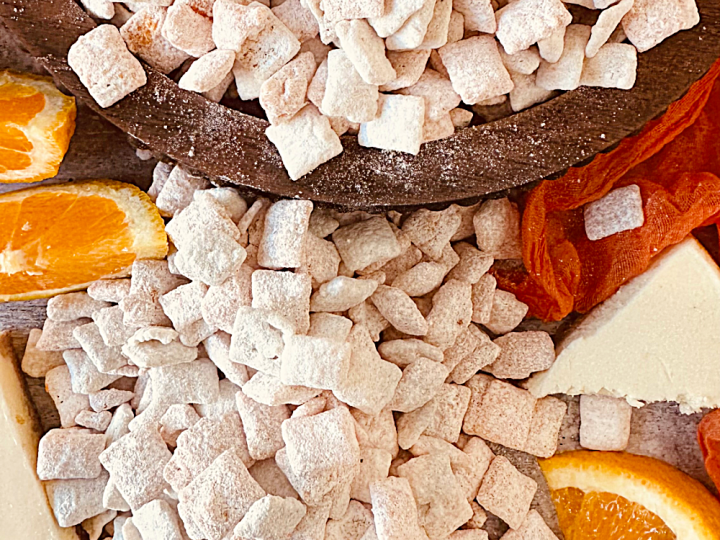
Cookie Butter Caramel Sauce makes an easy centerpiece for a fall or Halloween dessert board. Serve it slightly warm in a small crock or vintage-style jar, then surround it with apple and pear slices, pretzels, brownie bites, pound cake cubes, marshmallows, shortbread cookies, and vanilla wafers. The combination gives you fresh, salty, chocolate, soft, and crunchy choices without needing to prepare another dessert.
For a little Black Hollow Roadside Market personality, add an old-fashioned handwritten label, a dark serving spoon, and a few rustic Halloween touches. Keep the rest of the board simple so the caramel remains the star rather than making every item cookie-butter flavored.
From the Caramel Jar to the Gift Basket
A small jar of homemade caramel also makes an easy fall gift because it feels special without requiring an elaborate basket.
Pair the jar with crisp apples and pretzels for a casual autumn gift. Add homemade cookies or a loaf of quick bread for something more substantial. For a dessert-lover’s basket, include brownie bites or pound cake and let the caramel be the finishing touch.
Because this sauce contains dairy, gifting it requires refrigeration. Keep the caramel cold until it is given away and make sure the recipient knows to refrigerate it.
Four Easy Gift Pairings
| Add to the Jar | Gift Idea |
|---|---|
| Apples + pretzels | Fall snack basket |
| Pound cake | Dessert-for-two gift |
| Homemade cookies | Baker’s treat box |
| Brownie bites | Chocolate and caramel basket |
A smaller jar is often better than a large one. This sauce is rich, and a little goes a long way.
Planning Ahead- Make the Caramel in Advance of the Party
Caramel is a wonderful make-ahead dessert component precisely because you don’t have to cook it while guests are waiting.
Prepare it in advance, cool it, and refrigerate it. Before serving, gently warm only the amount you need.
That last part is worth remembering. Constantly warming the entire jar and returning it to the refrigerator subjects the sauce to repeated temperature changes. Scooping out individual portions lets the remaining caramel stay consistently chilled.
Party-Day Timeline
A day or more ahead: Make the caramel, allow it to cool, then refrigerate.
Several hours before serving: Prepare any fruit, cake, cookies, or other accompaniments that can be made ahead.
Shortly before serving: Remove the amount of caramel you expect to use.
Just before dessert: Gently warm the sauce until it reaches an easy pouring or dipping consistency.
After serving: Return leftover caramel to the refrigerator rather than leaving a dairy-based sauce sitting out for extended periods.
Keeping Every Spoonful Smooth
Cookie Butter Caramel Sauce belongs in the refrigerator because it contains heavy cream and butter. It isn’t a shelf-stable canned caramel, regardless of how much sugar it contains.
Store it in a clean, airtight container and use a clean spoon each time you remove some. A glass jar is especially convenient because you can see whether the caramel remains smooth and uniform.
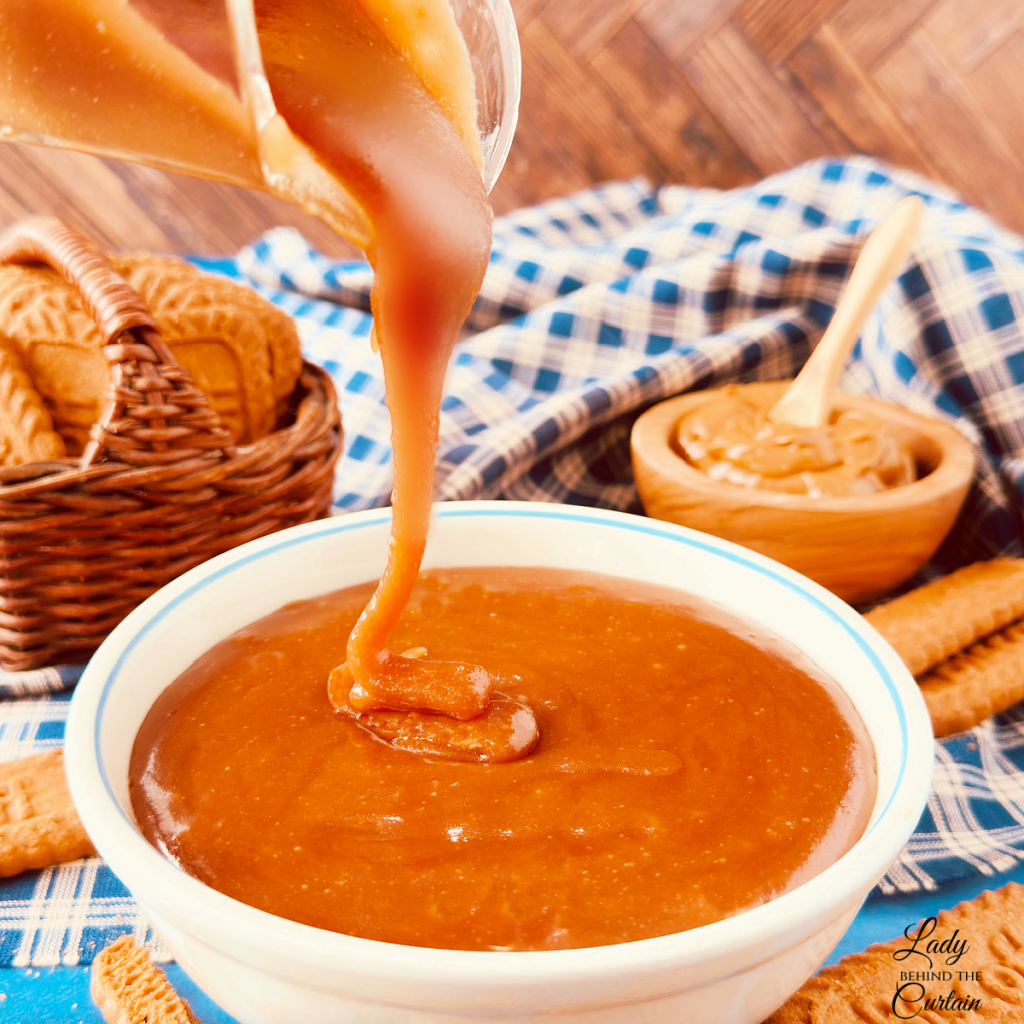
For reheating in the microwave, use short intervals and stir between each one. Sugar sauces can develop extremely hot spots before the entire portion feels warm.
On the stovetop, use low heat and stir regularly.
If the warmed caramel remains thicker than you prefer, then consider adding a little warm cream. Don’t add liquid while it is still refrigerator-cold because you haven’t yet seen its true serving consistency.
Storage Quick Reference
| Situation | Best Approach |
|---|---|
| Freshly made | Cool before covering and refrigerating |
| Refrigerated | Keep tightly covered |
| Ready to serve | Warm only the portion needed |
| Too thick when cold | Warm before making adjustments |
| Still too thick when warm | Add a little warm cream |
| Microwave reheating | Use short intervals and stir |
| Stovetop reheating | Use gentle heat |
Behind the Curtain Tip: Caramel sauce thickens considerably as it cools. If the cooled caramel is thicker than you’d like, gently warm it over low heat and whisk in warm heavy cream, 1 tablespoon at a time. Place a small spoonful on a plate and allow it to cool completely before checking the consistency. Continue adding cream in small amounts until the cooled caramel reaches your preferred pouring consistency.
A Jar for Another Day: Freezing Cookie Butter Caramel
You can freeze Cookie Butter Caramel Sauce if you want to keep it longer than you would in the refrigerator. Transfer the cooled caramel to an airtight, freezer-safe container, leaving a little room at the top. Or…MY FAVORITE way to freeze liquid recipes is to put them into a freezer-safe Ziploc bag, press it flat, and freeze. Freezing sauces this way takes up a lot less space than a container. You can also divide it into smaller portions so you only have to thaw what you plan to use.
Don’t be surprised if the caramel doesn’t freeze completely solid. The high concentration of dissolved sugar lowers the freezing point of the water in the sauce, so frozen caramel can remain thick and surprisingly pliable rather than becoming rock hard.
From Freezer to Table
| Step | What to Do |
|---|---|
| Freeze | Store cooled caramel in an airtight, freezer-safe container. |
| Thaw | Transfer it to the refrigerator and allow it to thaw. |
| Check | Don’t worry if the thawed caramel seems thicker or has a slightly crunchy texture. |
| Reheat | Warm gently in short microwave intervals or over low heat, stirring frequently. |
| Serve | Once smooth and creamy again, serve warm for drizzling or let it cool slightly for a thicker consistency. |
In my freezer test, the caramel initially had a crunchy texture after thawing, but gentle reheating brought it right back to its original soft, creamy consistency. That’s an important reason not to judge previously frozen caramel while it’s still cold.
Behind the Curtain Tip: Reheat thawed caramel before deciding that its texture has changed permanently. Gentle heat can restore the smooth, creamy consistency you had before freezing.
Wow! I Never Knew That… A caramel sauce can be properly frozen without becoming completely solid. Sugar lowers its freezing point, which helps explain why homemade caramel may remain pliable even after spending time in the freezer.
Homemade Caramel Sauce Collection: Classic, Salted & Flavored Caramel Recipes
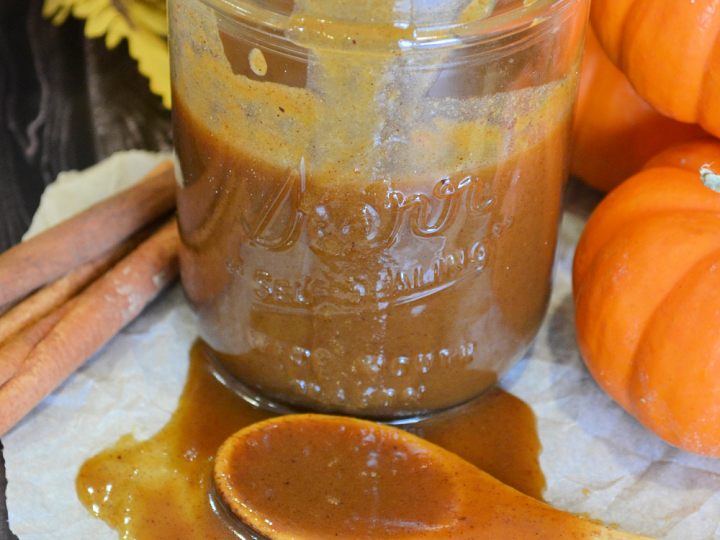
Easy Pumpkin Caramel Sauce
Pumpkin season has a way of turning a simple jar of caramel into one of the most useful treats in the refrigerator. Drizzle it over vanilla ice cream,
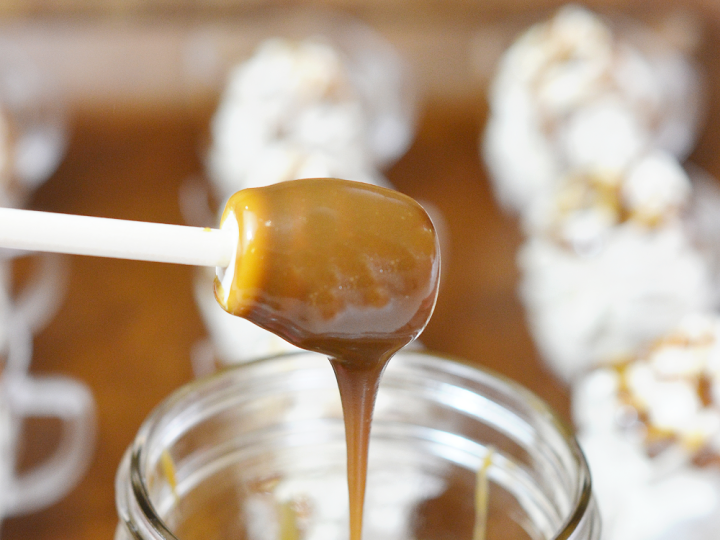
Easy Espresso Caramel Sauce
Some recipes earn their place in the refrigerator because they can turn almost anything into dessert. This Easy Espresso Caramel Sauce is one of those
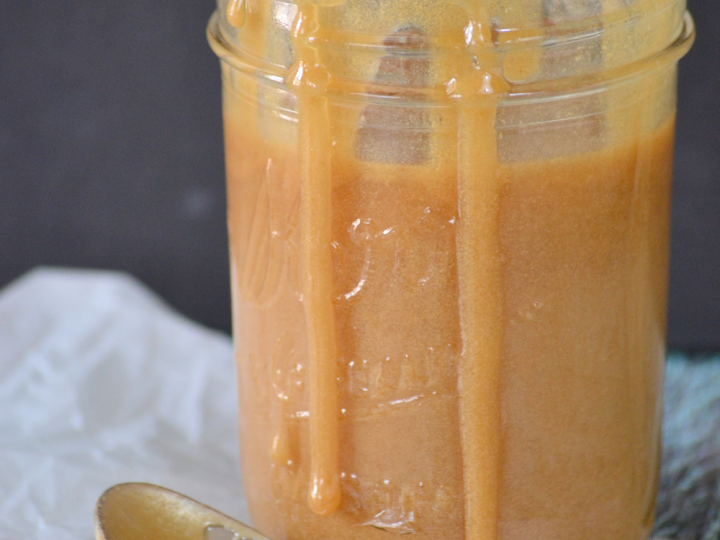
Easy Caramel Sauce
Some recipes earn their place in the refrigerator simply because they make everything around them better. Easy Caramel Sauce is one of those recipes. A
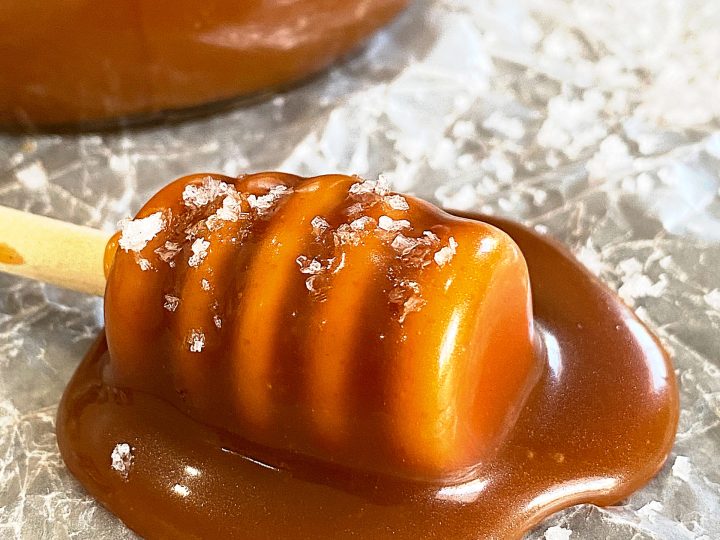
Homemade Salted Caramel Sauce
There is caramel sauce, and then there is Homemade Salted Caramel made by actually caramelizing sugar. The difference becomes obvious with the first
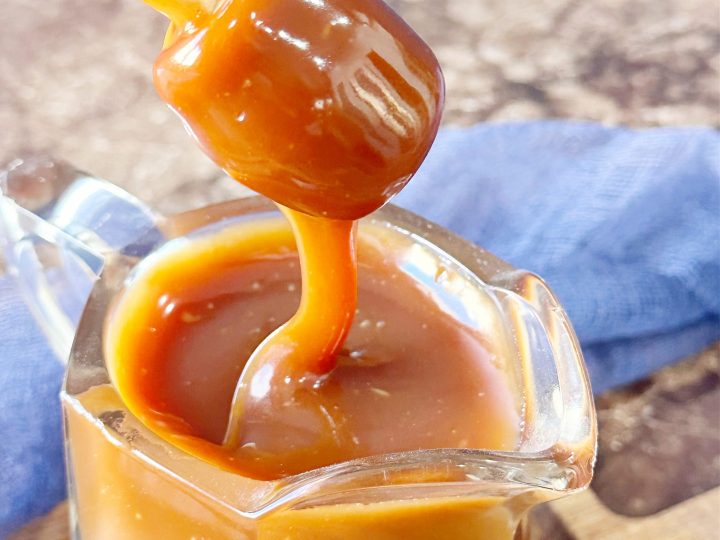
Homemade Classic Caramel Sauce
A Sweet, Simple Sauce You'll Want to Drizzle on Everything! There’s nothing quite like the rich, buttery flavor of homemade caramel sauce. Smooth, golden,
The Caramel That Earned Its Spot on the Shelf
There are plenty of shortcuts to cookie butter caramel, including simply warming cookie spread with other ingredients until it becomes pourable. This version takes the longer route for a reason.
It begins with real caramelized sugar.
That creates a depth of flavor cookie butter can’t provide on its own. Cream and butter turn that caramel into a luxurious sauce, while cookie butter contributes its warm, caramelized-biscuit character without becoming the only thing you taste. Vanilla softens the edges, and just enough salt balances the sweetness without turning it into salted caramel.
The result has layers. You taste caramel first, buttery richness next, and finally that unmistakable warm cookie flavor lingering behind it.
It can dress up a cheesecake, turn apple slices into dessert, sit beside pretzels on a party board, or become a homemade gift tucked into a little jar.
And for this fall, it has one more job.
Cookie Butter Caramel Sauce is Recipe #7 on the shelves of the Black Hollow Roadside Market, another homemade treasure joining the strange and delicious collection waiting inside.
Shop the Black Hollow Roadside Market
Peanut Butter Toffee Candy Bark
Chocolate bark is one of those treats that looks like you spent far more time making it than you actually did. A glossy layer of semisweet chocolate
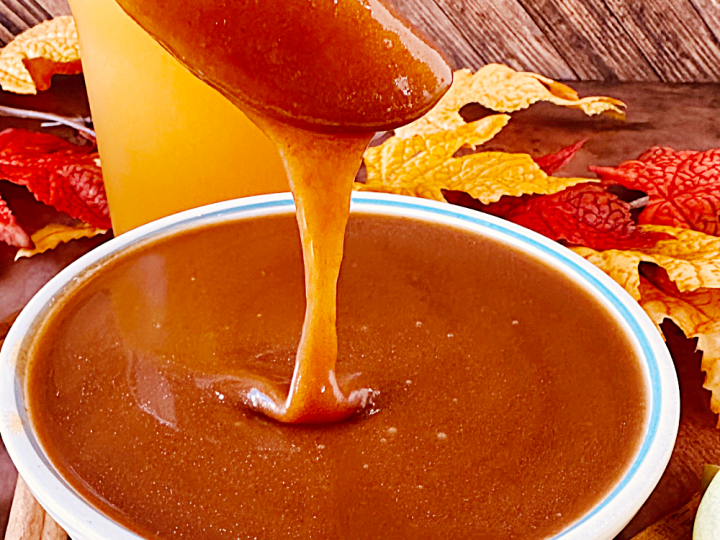
There is something especially fun about taking a familiar recipe and adding one ingredient that sends it in an entirely new direction. That’s what I love about this Cookie Butter Caramel Sauce. It still has everything I want from homemade caramel, that buttery texture, deep cooked-sugar flavor, and beautiful glossy finish, but the cookie butter brings in those warm spiced-cookie notes that make it something completely different.
If making caramel has ever made you a little nervous, I hope this post helps you understand what’s happening in the pan instead of simply watching the clock and hoping for the best. Once you learn to watch the color, recognize how the texture changes as caramel cools, and know the difference between a thick sauce and a crystallized one, the whole process starts to make much more sense.
And if you open your jar later and discover those frustrating crunchy sugar crystals, you now have a plan. Sometimes knowing why something happened in the kitchen is every bit as useful as knowing how to make it in the first place.
I hope you find more than one excuse to open this jar. Pour it over something, set it out for dipping, tuck a jar into a fall gift, or sneak a spoonful when no one is looking. And if you make it for family or friends, I hope it becomes one of those little homemade touches they remember long after dessert is gone.
Recipe #7 is officially waiting on the shelves of the Black Hollow Roadside Market.
Enjoy every sweet spoonful!
Sheryl
Lady Behind the Curtain
LATEST POSTS
Cookie Butter Caramel Sauce
Ingredients
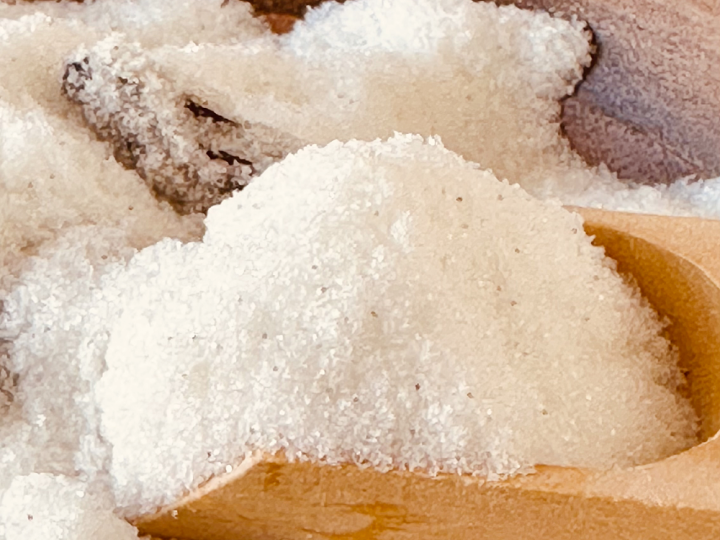
- 2½ cups granulated sugar
- ½ cup + 2 tablespoons water
- 2½ tablespoons light corn syrup
- 1½ cups heavy whipping cream
- 5 tablespoons unsalted butter
- heaping ¼ teaspoon salt
- ½ cup creamy cookie butter
- 1¼ teaspoons vanilla extract
Instructions
- In a large skillet, cook sugar, water, and syrup over medium-high heat, stirring occasionally.
- Bring to a full boil, then cook until the mixture turns a beautiful honey color (about 15 minutes).
- Remove from heat and whisk in the cream, butter, and salt.
- Return it to the heat and cook until smooth and slightly thickened, about 2 minutes.
- Remove from the heat, whisk in the cookie butter until completely smooth, then stir in the vanilla.
- Let the caramel cool to room temperature before using.

Little Caramel Details That Make a Big Difference
By this point, you know how to judge caramel color, understand its changing texture, recognize crystallization, and avoid many of the problems that can show up after cooling. A few less obvious details can make the sauce even easier to understand.
- Can I use crunchy cookie butter instead of creamy? You can, but the finished caramel won’t have the same silky texture. Crunchy cookie butter contains biscuit pieces, so it is better when you intentionally want texture rather than a perfectly smooth drizzle.
- Does the brand of cookie butter matter? Slightly. Brands can vary in sweetness, spice, oil content, and thickness. A particularly firm cookie spread may produce a thicker caramel than a softer variety, so judge the final sauce after it has cooled rather than trying to compensate during cooking.
- Can I make caramel in a dark-colored pan? Yes, but it’s harder to judge the color. A light stainless-steel interior makes the progression from clear syrup to honey-colored caramel much easier to see.
- Why does caramel keep darkening after the pan leaves the burner? The cookware retains heat, so the sugar continues cooking briefly even after the direct heat is removed. This carryover cooking is why you don’t want to wait until the caramel is extremely dark before pulling the pan from the burner.
- Can weather affect caramel? Sugar is hygroscopic, meaning it attracts moisture from its surroundings. Humidity has a much bigger effect on hard candies and brittle than on a cream-based sauce, but it is one reason sugar work can behave slightly differently from one environment to another.
- Why shouldn’t I taste caramel while I’m cooking it? Cooked sugar reaches temperatures far above boiling water and sticks to skin, which can cause a serious burn. Always let a small sample cool completely before tasting.
- Can Cookie Butter Caramel Sauce be frozen? Yes. Cookie Butter Caramel Sauce can be frozen for longer storage. After thawing, the caramel may not immediately look or feel exactly as it did when freshly made. In testing, the thawed caramel initially had a crunchy texture, but once it was gently reheated, it returned to its original soft, creamy consistency. If your thawed caramel seems unusually firm or slightly crystallized, don’t judge the final texture while it is still cold. Warm it gently, stirring as it heats, and then check the consistency again. For convenient serving, freeze the caramel in smaller portions so you can thaw and reheat only what you need.
- Why can caramel taste different after it cools? Extremely hot foods are harder to taste accurately. As caramel cools, its toasted sugar, butter, vanilla, salt, and warm cookie spices become easier to distinguish from one another. Judge the final flavor when the sauce is warm rather than scorching hot.
Those small details are what turn caramel making from something that feels unpredictable into something you can actually read and understand.
Comments
Cookie Butter Caramel Sauce — No Comments
HTML tags allowed in your comment: <a href="" title=""> <abbr title=""> <acronym title=""> <b> <blockquote cite=""> <cite> <code> <del datetime=""> <em> <i> <q cite=""> <s> <strike> <strong>