




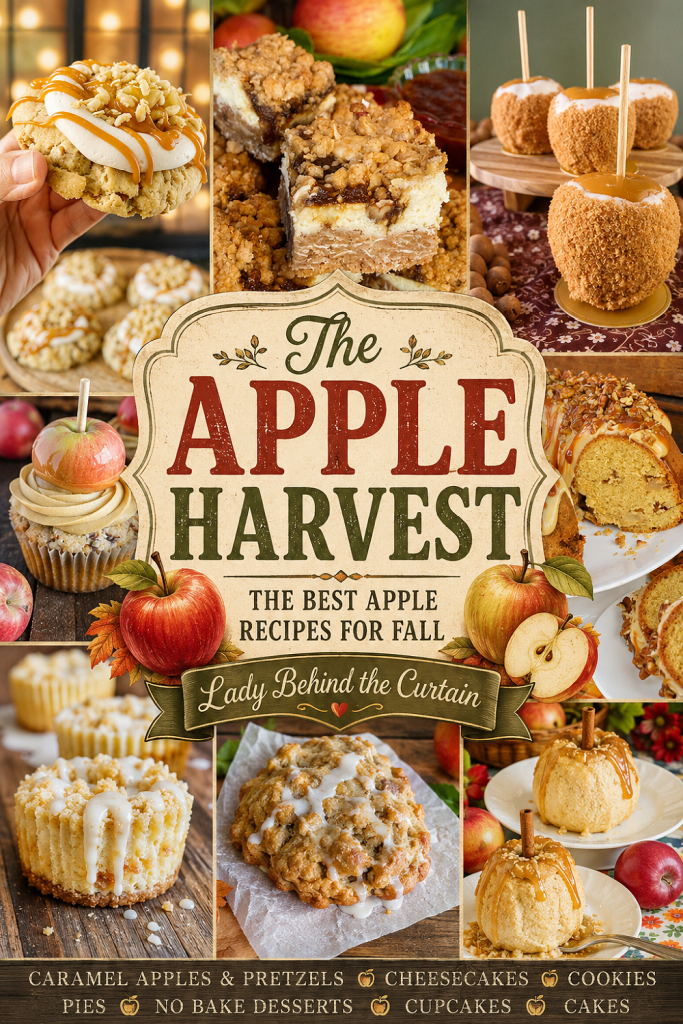
The Apple Harvest: The Best Apple Recipes for Fall
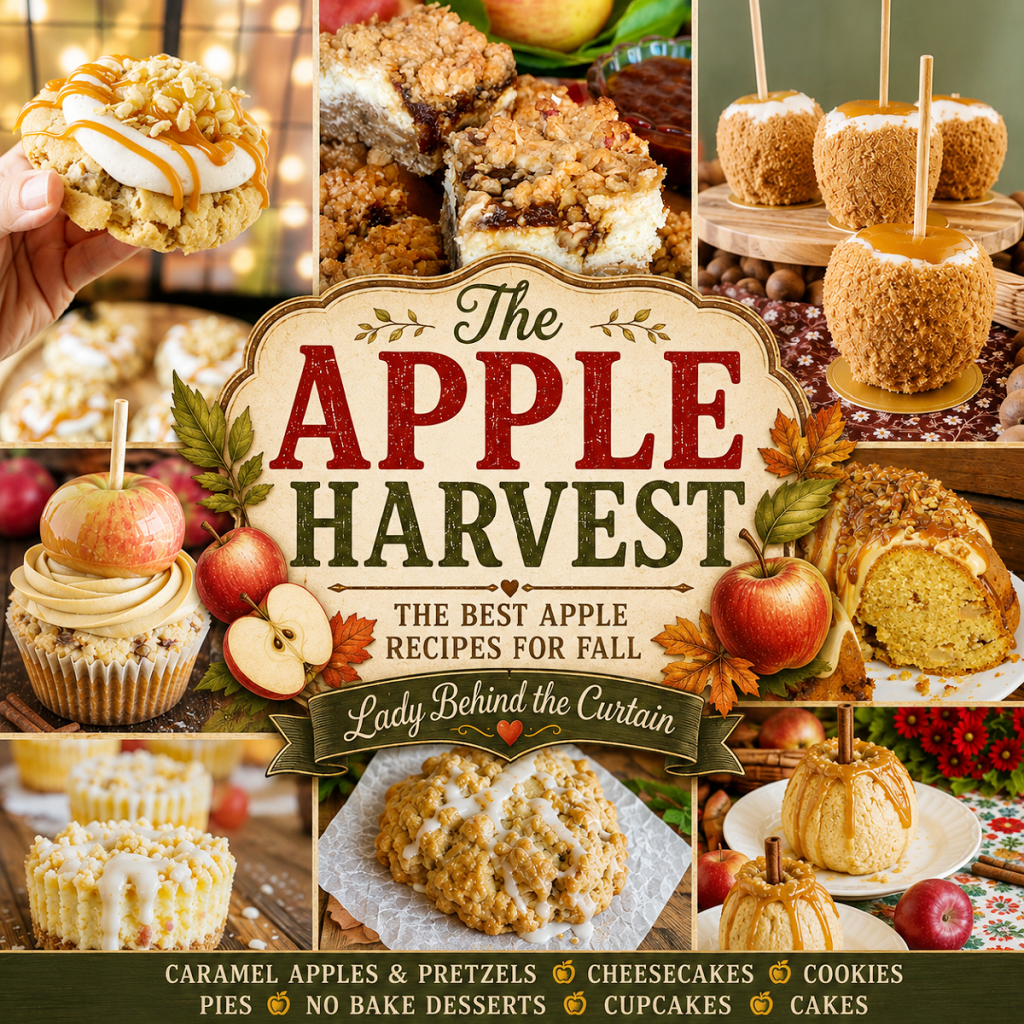
Apple season has officially arrived, and with it comes an entire season of baking, dipping, drizzling, and turning crisp fall apples into something delicious. The Apple Harvest: The Best Apple Recipes for Fall brings together some of my favorite ways to celebrate this classic autumn fruit, from towering caramel apples and gourmet caramel pretzels to creamy cheesecakes, bakery-style cookies, homemade pies, easy no-bake desserts, cupcakes, and cakes.
But before reaching for the flour or melting a pot of caramel, it helps to know a little bit about the star of the show. Not every apple behaves the same way in a recipe. Some stay firm after an hour in the oven, while others soften beautifully into a filling. Some have enough tartness to stand up to a thick layer of caramel, while sweeter varieties are perfect tucked into cakes and cookies.
Choosing the right apple can be the difference between a pie with distinct tender slices and one with a soft filling, or between a caramel apple that tastes perfectly balanced and one that is overwhelmingly sweet.
Consider this collection your trip through the apple orchard. Along with plenty of recipes to choose from, I’m sharing the tips that will help you decide which apples belong in your pie, which should be saved for caramel dipping, and why sometimes the very best apple dessert begins with more than one variety.
The Apple Basket: Choosing the Right Variety for the Job
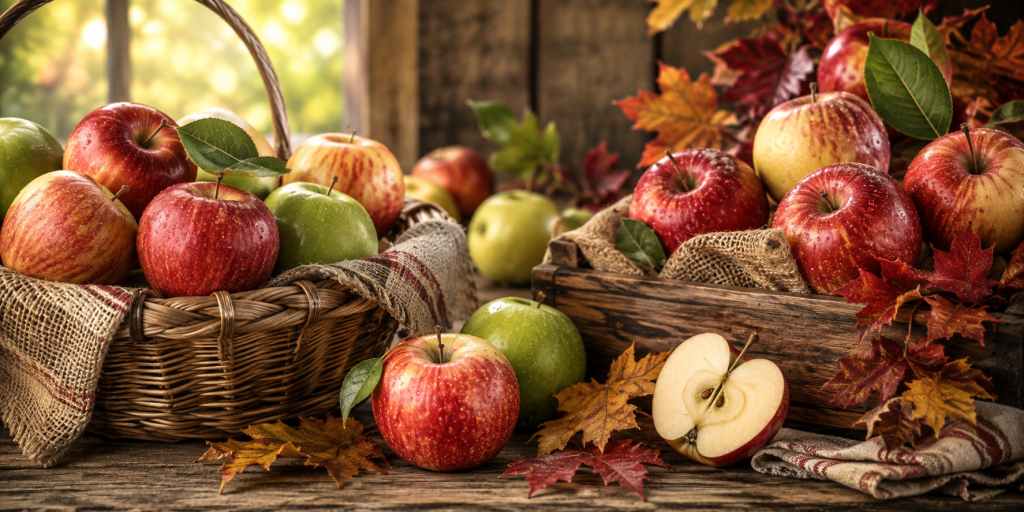
Walk through the produce department in fall, and suddenly there seem to be apples everywhere. Bright green Granny Smith, deep red Honeycrisp, striped Gala, rosy Pink Lady, Golden Delicious, Fuji, and more can all look equally tempting.
They aren’t interchangeable when it comes to baking.
The biggest differences are sweetness, acidity, firmness, and how well the flesh holds together when heated. For eating fresh, choose the flavor and texture you enjoy. Baking asks a little more from an apple.
A good baking apple needs enough structure to soften without completely collapsing. Tartness is also valuable when the recipe contains plenty of sugar, caramel, frosting, or other sweet ingredients.
Here is an easy guide to some of the varieties you’re most likely to find.
| Apple Variety | Flavor | Texture | Best Uses |
|---|---|---|---|
| Granny Smith | Tart, bright | Very firm | Pies, crisps, caramel apples, baked desserts |
| Honeycrisp | Sweet-tart | Crisp and juicy | Baking, caramel apples, cakes, snacking |
| Pink Lady | Sweet-tart, slightly tangy | Firm and crisp | Pies, cakes, caramel apples |
| Braeburn | Sweet-tart, lightly spiced | Firm | Pies, crisps, cakes |
| Fuji | Very sweet | Crisp and juicy | Cakes, muffins, snacking |
| Gala | Mild and sweet | Moderately crisp | Cakes, muffins, quick desserts |
| Golden Delicious | Sweet and mellow | Tender | Pies, cakes, applesauce |
| Jonagold | Sweet-tart | Juicy and fairly firm | Pies, crisps, cakes |
You don’t necessarily need to hunt down a specific apple just because a recipe mentions it. Instead, think about what the apple needs to accomplish in the finished dessert.
If it needs to hold its shape, choose a firm apple. If the dessert is already very sweet, choose an apple with some tartness. If you want the apple to become tender and almost melt into the surrounding batter or filling, a slightly softer variety can work to your advantage.
Behind the Curtain Tip: When I’m choosing apples for a dessert, I think about everything else I’ll add to them. Caramel, brown sugar, frosting, and sweet crumb toppings all benefit from an apple with enough acidity to keep the finished dessert from becoming too sweet.
Building Better Apple Desserts With More Than One Variety
One of the easiest ways to give an apple dessert a more interesting flavor is to stop thinking that every apple in the recipe has to be the same variety.
Combining apples gives you layers of flavor and texture. A tart Granny Smith can provide structure and acidity, while a Honeycrisp or Golden Delicious brings sweetness and a softer bite.
This works especially well in pies, cobblers, and crisps where apples make up a large portion of every serving. Instead of every bite tasting exactly the same, some pieces are slightly sweeter, others more tart, and some softer than others.
For a pie, try combining approximately equal amounts of two compatible varieties rather than searching for one “perfect” apple.
Wow, I never knew that: The apple variety affects more than flavor. Different apples release different amounts of juice and soften at different rates, so changing the variety can change the texture of a familiar recipe even when every other ingredient stays the same.
Matching the Apple to the Dessert
| Dessert | What the Apple Needs to Do | Good Choices |
| Apple Pie | Hold slices while becoming tender | Granny Smith, Pink Lady, Braeburn, Honeycrisp |
| Apple Crisp or Cobbler | Soften but retain some texture | Granny Smith, Honeycrisp, Jonagold |
| Apple Dumplings | Remain intact during longer baking | Granny Smith, Pink Lady |
| Apple Cake | Become tender and blend into the crumb | Honeycrisp, Fuji, Gala, Golden Delicious |
| Apple Cupcakes | Add moisture without becoming mushy | Honeycrisp, Pink Lady, Gala |
| Apple Cookies | Provide small tender apple pieces | Honeycrisp, Gala, Pink Lady |
Apple dumplings are a particularly good example of why firmness matters. The apple needs to stay in the oven long enough for the surrounding pastry to bake. Starting with an apple that softens quickly could leave you with overcooked fruit before the pastry is beautifully golden.
Cake is different. Here, an apple that becomes tender can be an advantage because you want the pieces to settle naturally into the crumb rather than remain noticeably firm.
The apple isn’t simply an ingredient. It has a job to do.
Baking With Fresh Apples Without Adding Too Much Moisture
Apples contain a lot of water, and heat releases some of it. That’s wonderful when you want a juicy pie filling, but less wonderful when excess moisture makes a cake gummy or changes a cookie’s texture.
The size of your apple pieces matters. Large chunks take longer to become tender, while tiny pieces soften quickly and release moisture throughout the batter. Follow the recommended size in a recipe rather than assuming bigger or smaller pieces won’t matter.
After washing apples, dry them before peeling and chopping. Once chopped, watch for any juice that collects on the cutting board or in the bottom of the bowl. Unless the recipe specifically calls for it, that liquid doesn’t necessarily need to make it into your cake or cookie batter.
Prepare chopped apples as close to when you plan to use them as possible. The exposed flesh naturally begins to brown when it meets oxygen, but in a brown-sugar cake, pie filling, or cookie, a little discoloration usually doesn’t matter because the apples bake into the dessert.
You don’t need to soak every chopped apple in lemon water. That adds extra moisture and potentially lemon flavor to a recipe that may not need either.
Peeling depends on the dessert too. For smooth pie fillings, delicate cakes and apple dumplings, peeled apples usually create a more consistent texture. In rustic crisps, muffins, and some cakes, you can leave the peel on, especially when the fruit is chopped into small pieces.
The question isn’t simply whether apple peel is edible. It’s whether you want to notice it in the finished dessert.
The Caramel Apple Workshop: Choosing, Preparing and Coating Apples
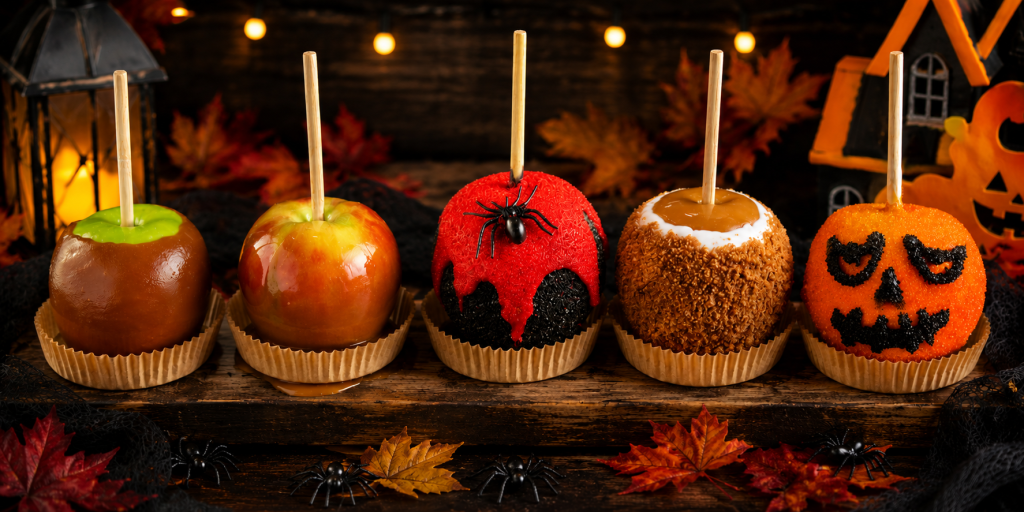
Caramel apples require an entirely different strategy because the fruit remains raw.
Here, crispness and flavor contrast are everything.
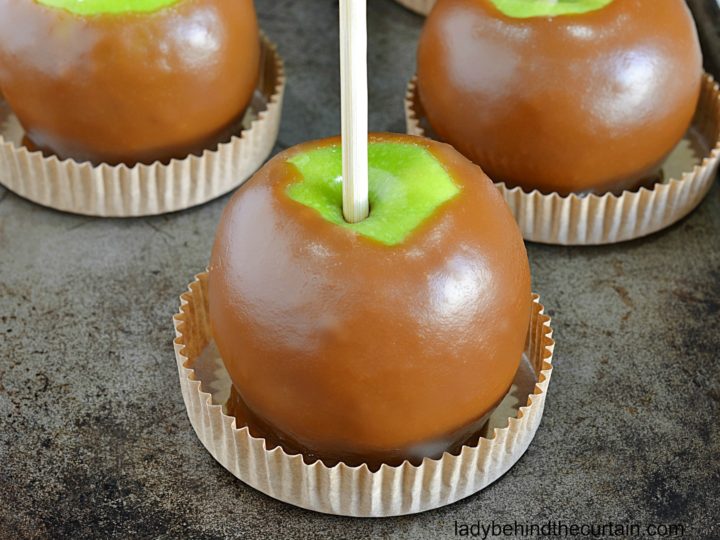
Granny Smith is the classic choice for good reason. Its firm texture gives you that satisfying crunch, while its tart flavor cuts through buttery caramel and sweet toppings.
Honeycrisp and Pink Lady are wonderful alternatives if you prefer a sweeter apple with plenty of crunch.
Whatever variety you choose, start with apples that are firm, bruise-free, and relatively symmetrical. An evenly shaped apple is easier to dip and decorate than one with an unusual shape.
And don’t automatically grab the largest apples in the bin.
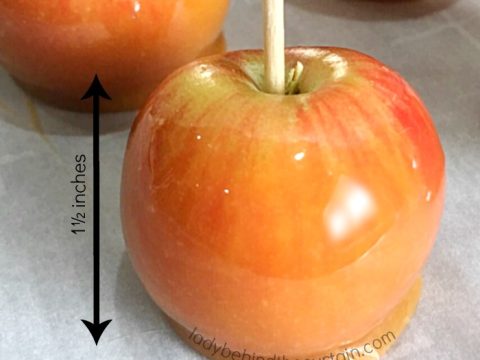
A small to medium apple often gives you a better ratio of fruit to caramel. It’s easier to dip, decorate, and eat. This becomes even more important if you’re planning multiple layers of caramel, chocolate, cookie crumbs, nuts, or candy.
Before dipping, wash the apples well. Many commercially sold apples have a waxy surface, and caramel needs something to grip. After washing, dry the apples completely.
That step deserves emphasis because water and candy coatings don’t mix.
Remove the stems and insert the sticks before you begin caramelizing. Prepare every apple completely before the caramel reaches dipping consistency.
Cold apples can help caramel set more quickly, but extremely cold fruit can develop condensation. If that happens, you’ve put moisture right back onto the skin.
Dry is more important than icy cold.
Behind the Curtain Tip: Prepare your entire dipping station before making the caramel. Have the apples washed, dried, and on sticks; toppings poured into bowls; and the finished-apple area ready. Once the caramel reaches the right consistency, you can concentrate entirely on dipping.
Building Layers That Actually Stay Put
Caramel is only the beginning. Once you apply that first layer to the apple, you can add chocolate, candy coating, crushed cookies, nuts, sprinkles, candy pieces, and drizzles.
The trick is knowing when to add each one.
Add crumbs, nuts, and other toppings while the coating is still tacky enough to grab them. Wait until the caramel has completely hardened, or the toppings won’t have anything to stick to.
For chunky toppings, gently press them onto the apple rather than aggressively rolling the apple through a bowl. Rolling can shift the caramel and create bare patches.
Decorative chocolate or candy drizzles are different. Let the base coating set first. The drizzle will sit on top as a distinct layer instead of melting into everything underneath.
This same principle applies when coating pretzels. A smooth first layer creates the foundation; toppings provide texture; and the final drizzle is the finishing touch.
Creating Balance in Caramel Apple Desserts
Caramel and apple are such a natural fall pairing because each brings something the other needs.
Apples provide freshness and acidity. Caramel brings toasted sugar, butter, and cream. Together, they create a dessert that tastes richer and more complex than either ingredient does alone.
But every additional layer changes that balance.
A caramel apple rolled in cookies, covered with chocolate, and finished with candy will be considerably sweeter than an apple dipped only in caramel. Starting with a tart apple becomes even more valuable as those sweet layers accumulate.
The same principle applies beyond dipped apples. If you’re making caramel apple cupcakes, cheesecake, cookies, or cake, consider how much sweetness is coming from frosting, caramel sauce, crusts, and toppings.
Salt can also be valuable in caramel desserts. It doesn’t need to make the dessert taste salty. Used thoughtfully, it sharpens caramel’s flavor and keeps sweetness from tasting flat.
When you’re making an apple dessert, think of sweetness as something to balance rather than simply add.
Fresh Apples Aren’t the Only Way to Add Apple Flavor
Not every apple dessert needs chunks of fresh fruit.
Apple butter brings concentrated apple flavor without adding distinct pieces of fruit. Applesauce contributes moisture and a softer apple flavor. Apple pie filling provides fruit along with a pre-thickened sauce. Freeze-dried apples deliver concentrated flavor without adding much moisture.
Each ingredient has a different purpose.
| Apple Ingredient | What It Adds | Especially Good For |
| Fresh Apples | Texture, fresh flavor and moisture | Pies, cakes, cookies, cupcakes, dumplings |
| Apple Butter | Concentrated flavor and smooth texture | Cheesecakes, fillings, swirls |
| Applesauce | Moisture and mild apple flavor | Cakes, muffins, quick breads |
| Apple Pie Filling | Tender fruit and thickened sauce | Layered desserts, easy fillings, toppings |
| Freeze-Dried Apples | Concentrated flavor with little moisture | Cookies, coatings, crumbs, frostings |
This is one reason apple desserts can be so varied. A cheesecake bar and a caramel apple may both belong in an apple collection, but the apple is doing completely different work in each one.
Understanding that gives you more freedom in the kitchen. Instead of asking, “How can I add apples?” you can ask, “What do I want the apples to do?”
Bringing Home a Bushel: Preparing and Storing Your Apple Haul
Apple season has a way of encouraging overconfidence at the market. A few apples become a bag, and a bag somehow becomes enough apples to start your own orchard.
Fortunately, apples store remarkably well when treated properly.
Keep a few at room temperature if you’ll be using them soon. For longer storage, refrigeration is the better choice because cooler temperatures slow ripening and help keep them crisp.
Don’t wash the entire batch before storing it. Wash apples as you need them so moisture isn’t sitting on the fruit during storage.
Check your apples occasionally for bruising or deterioration and use damaged ones first. One forgotten apple at the bottom of the drawer can quickly become a much less charming kind of fall discovery.
If you’re planning several recipes, sort your haul according to purpose. Set aside sturdy tart apples for pies and dumplings, crisp, evenly shaped apples for caramel dipping, and sweeter varieties for cakes, muffins, and cookies.
Then prepare fresh apples only when you’re ready to use them. This minimizes browning and keeps you from needing unnecessary soaking treatments.
Apple Prep Checklist
Before beginning your next apple dessert:
- Decide whether the apple needs to stay firm or become tender.
- Pair tart apples with especially sweet desserts and coatings.
- Consider mixing two varieties for pies, crisps and cobblers.
- Wash apples before cutting or dipping.
- Dry dipping apples completely.
- Cut apples according to the recipe.
- Avoid adding accumulated apple juice unless the recipe calls for it.
- Prepare cut apples as close to when you’ll use them as possible.
- Have caramel-apple toppings ready before dipping begins.
- Add crumbs and chunky toppings while the coating is tacky.
- Let the base coating set before adding decorative drizzles.
Now comes the fun part.
The Apple Harvest: The Best Apple Recipes for Fall is here to explore. Maybe you’re looking for a caramel apple piled high with toppings. Maybe this is the weekend for a creamy apple cheesecake, a warm pie, or a bakery-style cookie. Or perhaps you need an easy no-bake dessert for a fall gathering and have absolutely no intention of turning on the oven.
You’ll find caramel apples and pretzels, cheesecakes, cookies, pies, no-bake desserts, cupcakes, and cakes gathered together in one place, with plenty of different ways to enjoy one of fall’s most versatile flavors.
Some recipes put the apple front and center. Others pair it with caramel, warm spices, cheesecake, buttery crumbs, or rich frosting. That’s what makes an apple collection so much fun: the same familiar fall fruit can become something completely different depending on what you do with it.
So grab a basket, pick a favorite, and start exploring.
Welcome to The Apple Harvest.
The Apple Harvest: The Best Apple Recipes for Fall
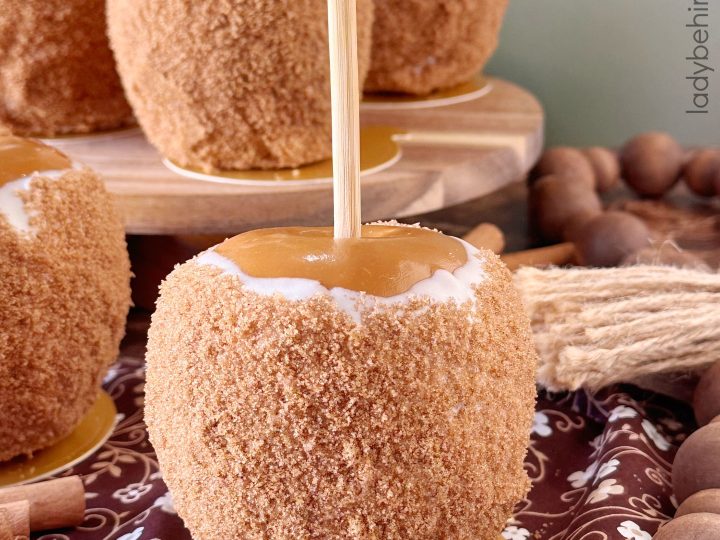
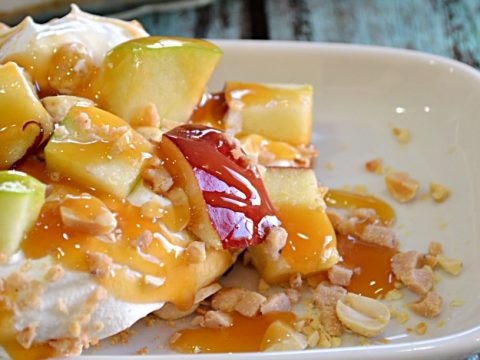
Apple Pie Caramel Apples
If you love the warm, cozy flavors of apple pie and the sweet crunch of a classic caramel apple, this Easy Apple Pie Caramel Apples recipe is the perfect
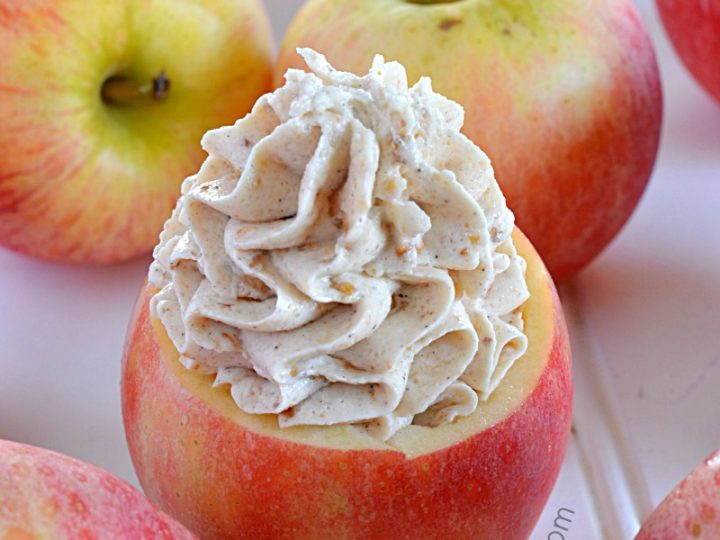
Apple Cinnamon Cream Cheese Butter Cream Frosting
Apple Cinnamon Cream Cheese Butter Frosting | Enjoy this flavorful frosting on any spice cake or cupcake. This delicious Apple Cinnamon Cream Cheese
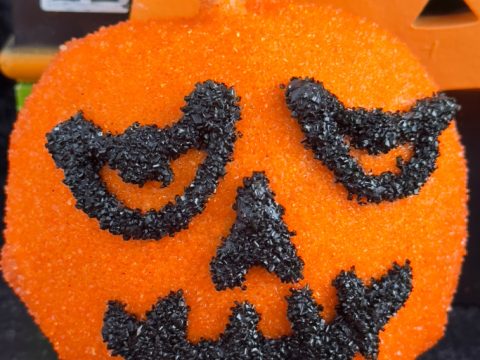
Jack-O-Lantern Caramel Apple Slice Pops
Juicy tart Granny Smith apples encased in chewy sweet caramel, dipped in melted vanilla candy, and covered with crunchy sugar sprinkles. This Halloween party treat is not only easy to make but also cute. It's also DELICIOUS!
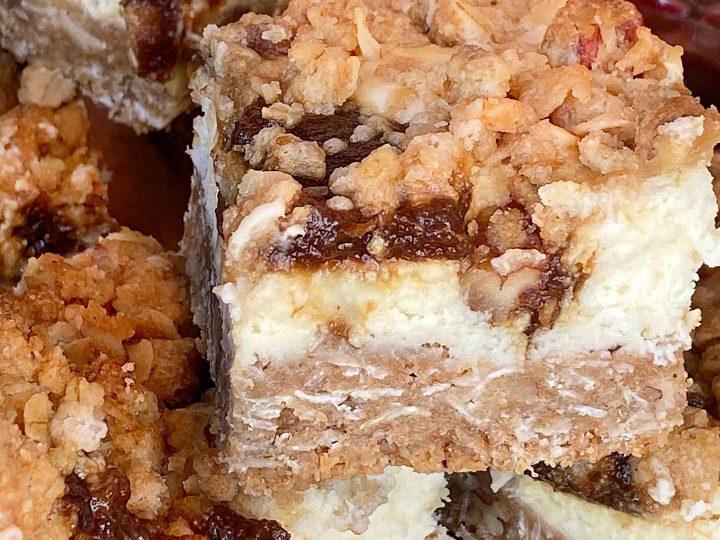
Apple Butter Cheesecake Bars
CREAMY CHEESECAKE MEETS THE COZY FLAVORS OF FALL: There are some desserts that immediately make you think of crisp mornings, colorful leaves, and a
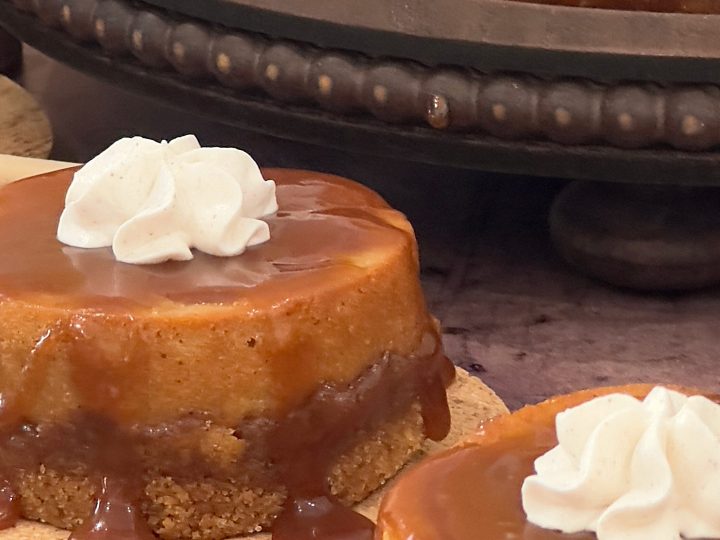
Caramel Apple Pie Cheesecakes
Irresistible Bite-Sized Delight: Caramel Apple Pie Cheesecake Bites, Craving a heavenly dessert that perfectly balances the sweet flavors of caramel,
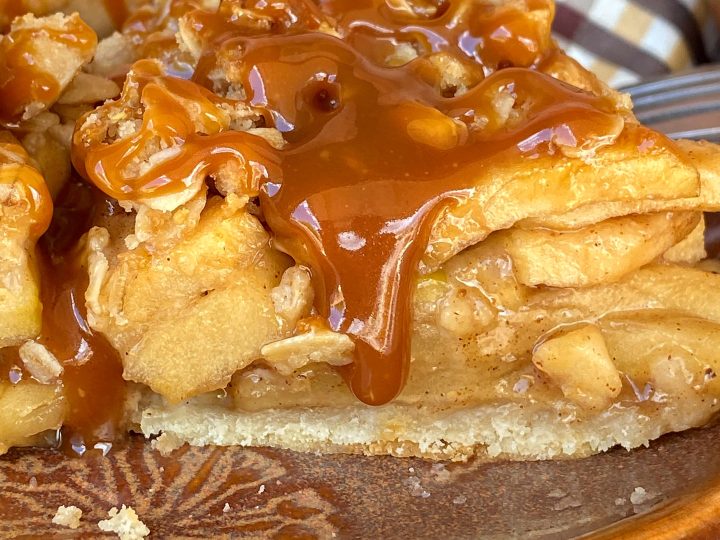
Skillet Apple Streusel Pie
Skillet Apple Streusel Pie: Slices of fresh apples, mixed with warm apple pie spice, an incredible streusel topping and a drizzle of homemade caramel
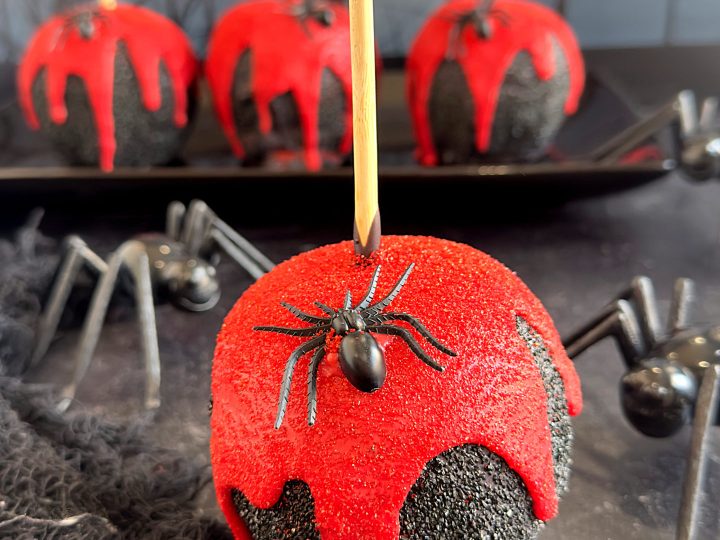
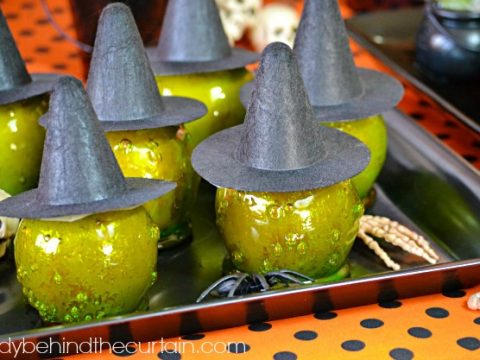
Black Widow Caramel Apples
These semi homemade caramel apples are wrapped with a layer of caramel, dipped in melted vanilla candy, and coated with crunchy sugar sprinkles.
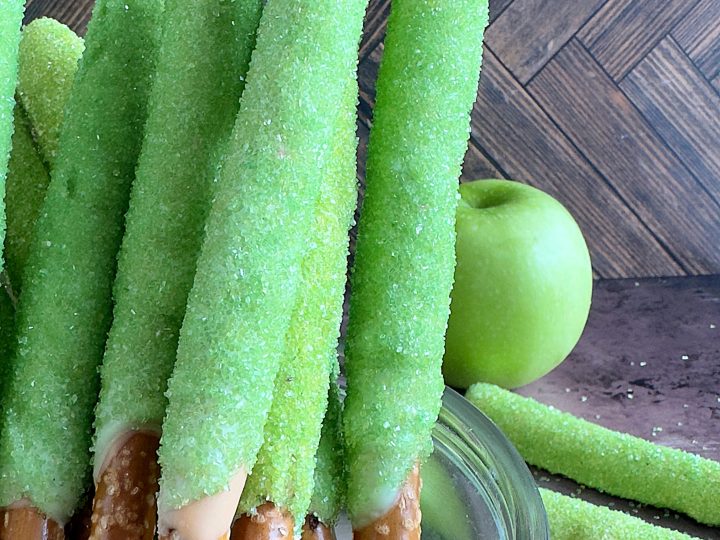
Caramel Apple Pretzels
Delicious flavorful decorated pretzels covered in caramel, dipped in apple flavored candy, and crunchy sugar sprinkles.
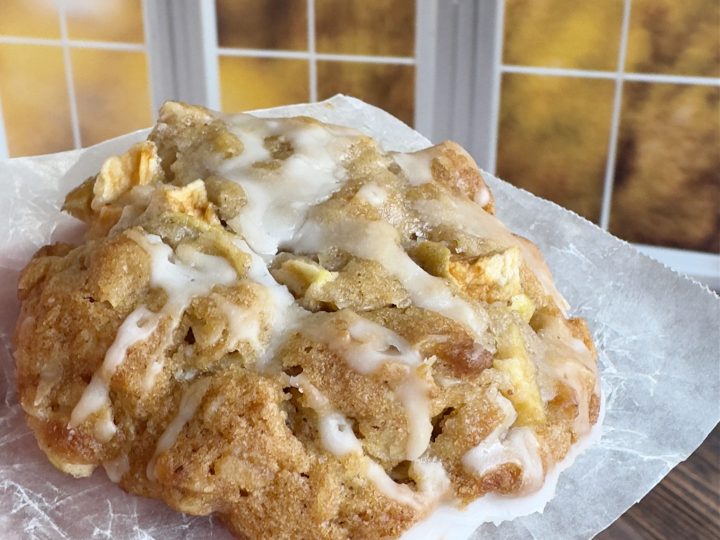
Soft Apple Oatmeal Cookies
Incredibly soft and full of fresh apples. With the warm spices of Fall, hearty oats, and freshly picked juicy apples.
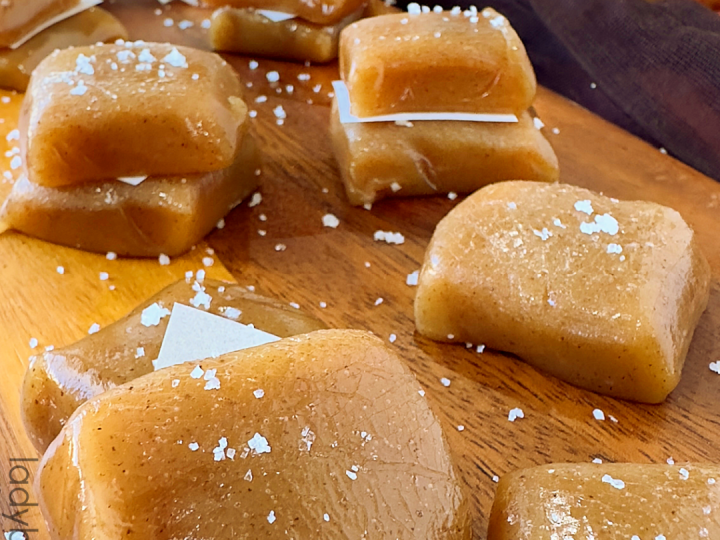
Easy Homemade Soft Apple Cider Caramels
How to Make Irresistibly Soft Apple Cider Caramels in Minutes: Indulge in the mouthwatering taste of fall with these irresistible soft apple cider
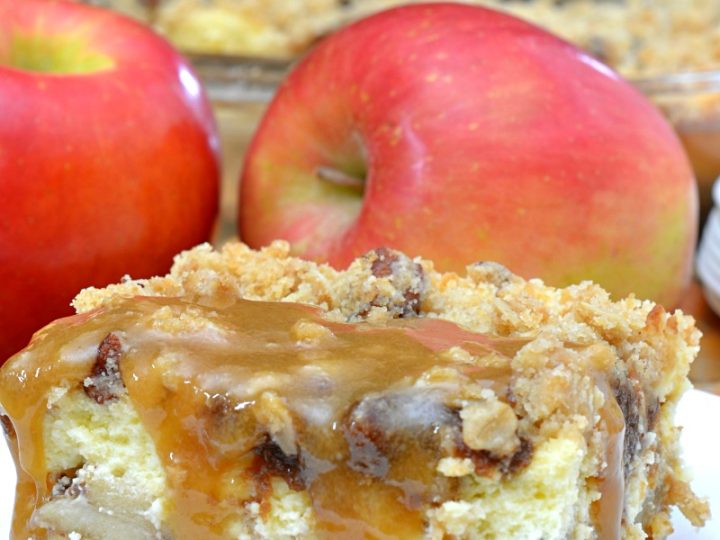
Caramel Apple Pie Cheesecake Bars
Caramel Apple Pie Cheesecake Bars | Full of crisp tart apples with a pecan crust, cheesecake filling, crumb topping and a caramel drizzle, these Caramel
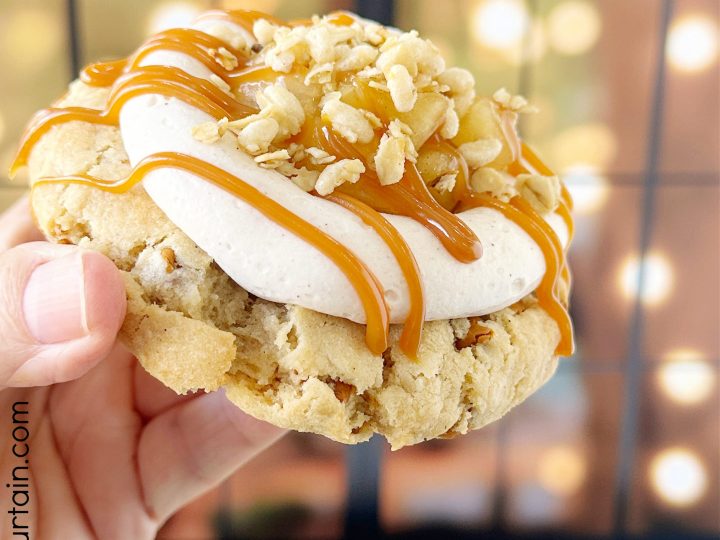
Copycat Crumbl Caramel Apple Cookies
If fall had a flavor, it would taste just like these Copycat Crumbl Caramel Apple Cookies. Inspired by the popular Crumbl bakery, these giant gourmet
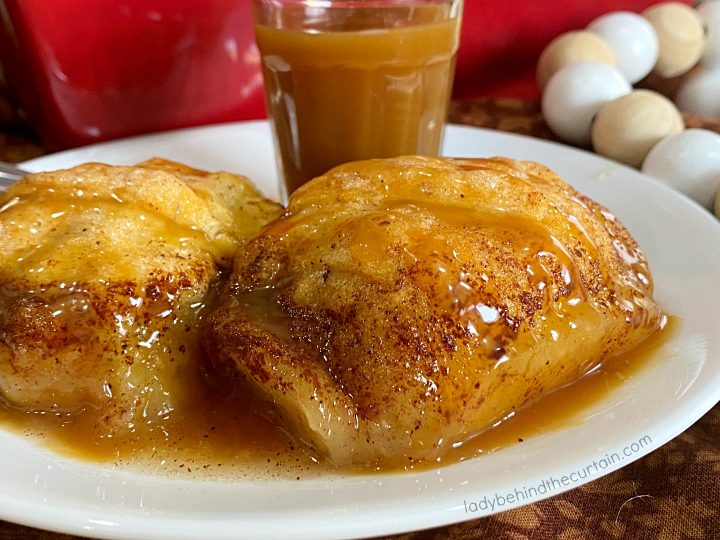
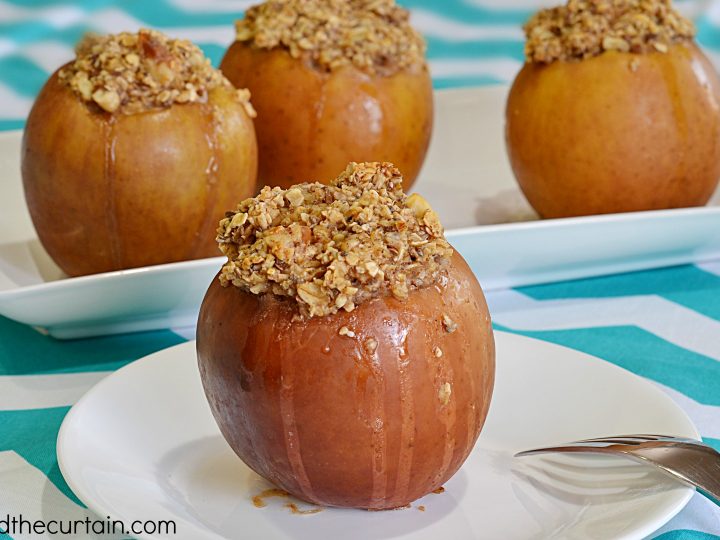
Semi Homemade Country Caramel Apple Dumplings
These Semi Homemade Country Caramel Apple Dumplings need just a few ingredients to shine.
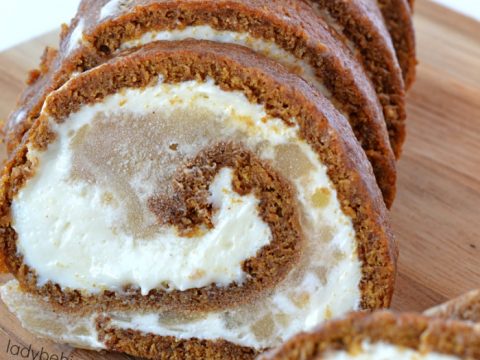
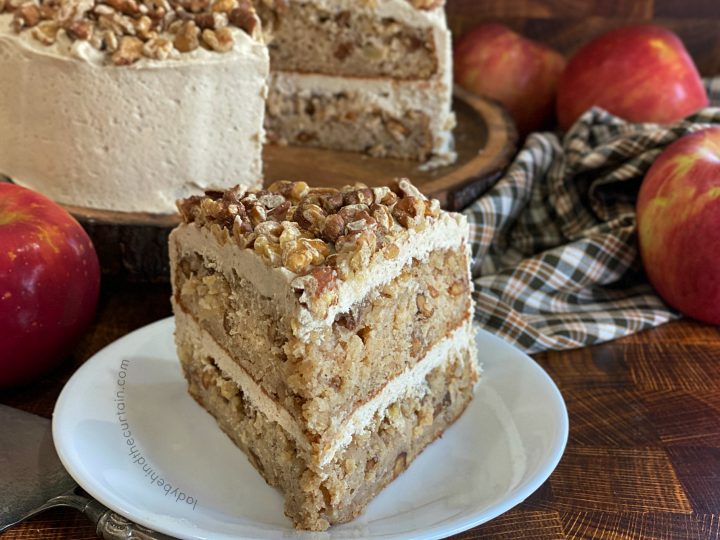
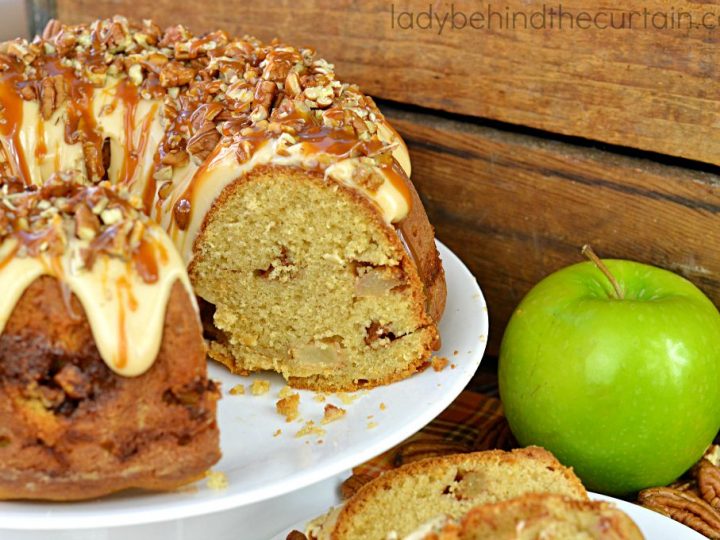
Traditional Apple Spice Cake with Brown Sugar Frosting
An incredibly moist cake made with two varieties of apples and just the right amount of spice, covered with a homemade light and fluffy brown sugar frosting. The perfect Fall Dessert.
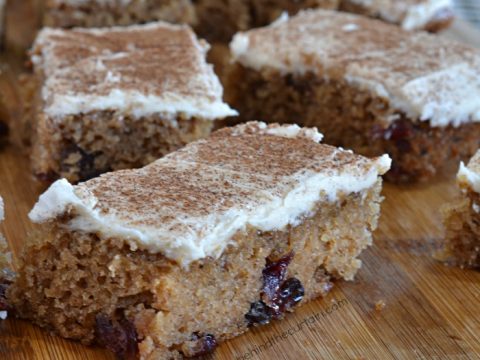
Applesauce Cranberry Bars
Moist light and fluffy bars, made with loads of applesauce, honey, dried cranberries and topped with an incredible brown butter frosting.
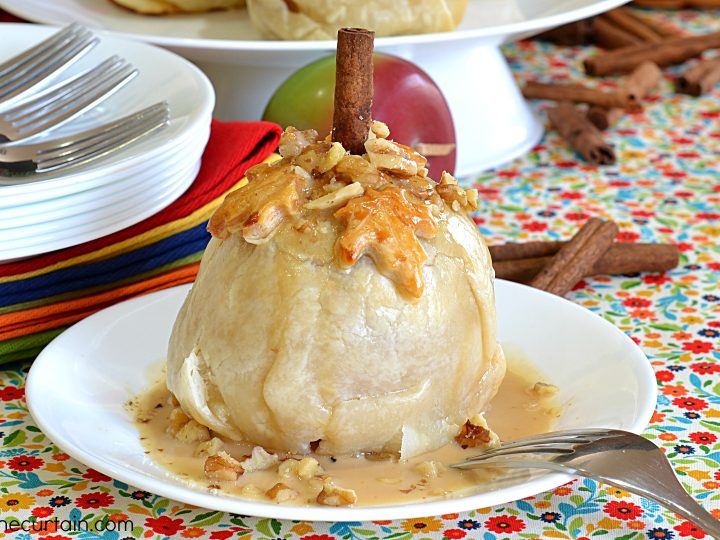
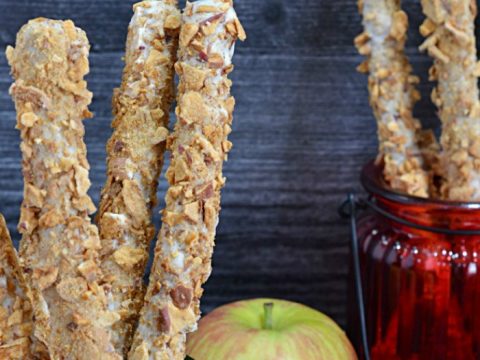
Apple Pie Decorated Pretzels
These easy to make fun treats make a great party favor or kid's table centerpiece.
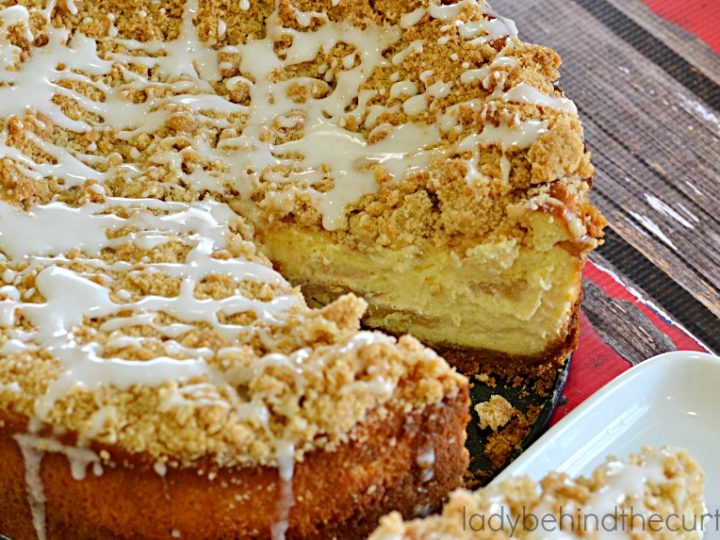
Apple Crumb Cheesecake
If you like apple pie then you are going to love this apple pie cheesecake combo with a crunch cinnamon crumb topping.
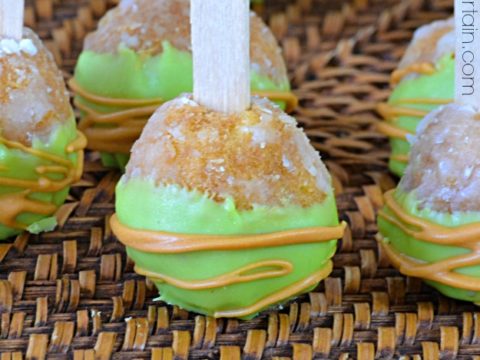
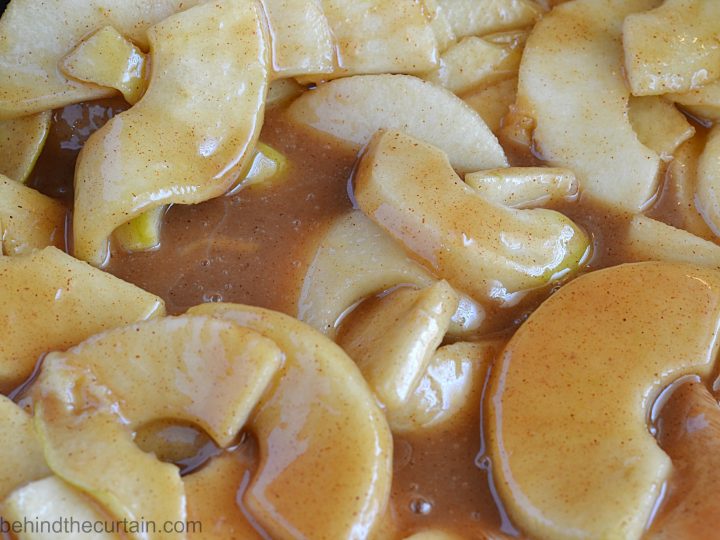
Homemade Apple Pie Filling
Apple Pie without the crust. Perfect for spooning over ice cream or using as a topping on a cheesecake.
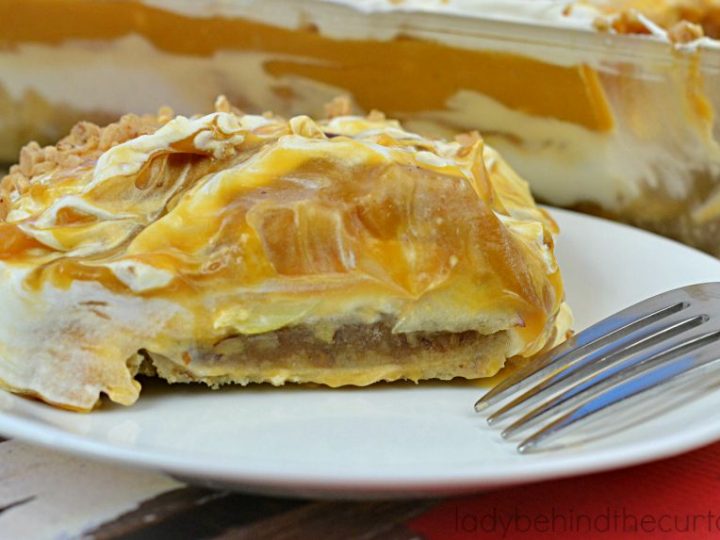
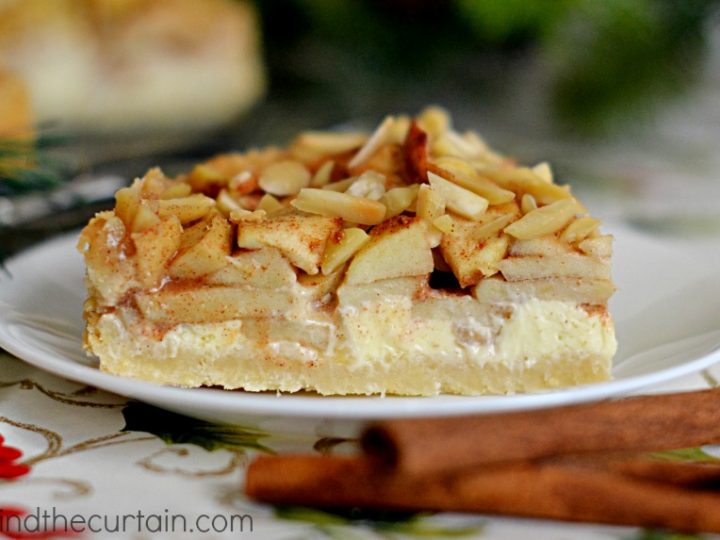
Apple Danish Cheesecake
This cheesecake starts with a delightful almond crust a thin layer of cheesecake all topped with tart apple slices rolled in a brown sugar cinnamon mixture and almonds.
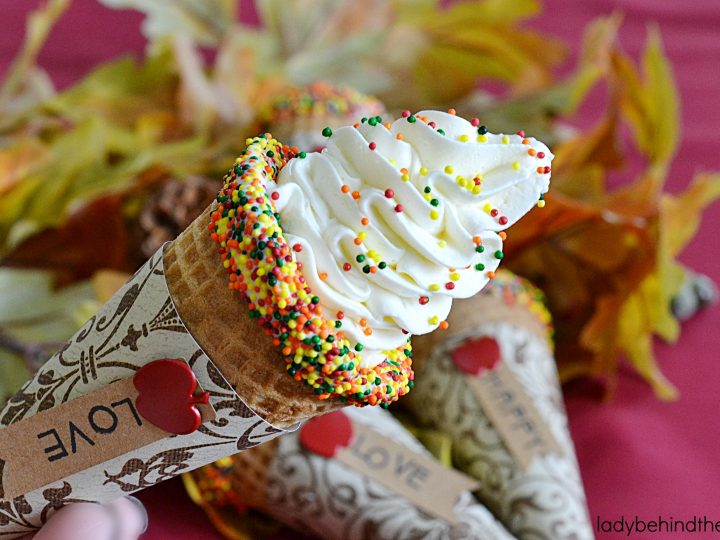
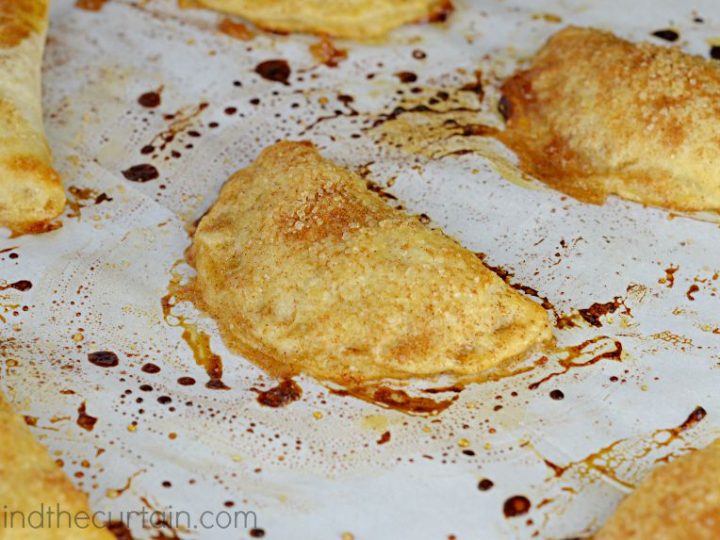
Apple Pie Cheesecake Filled Cones
These fun cones are filled with delicious fluffy cheesecake and little pockets of apple pie filling.
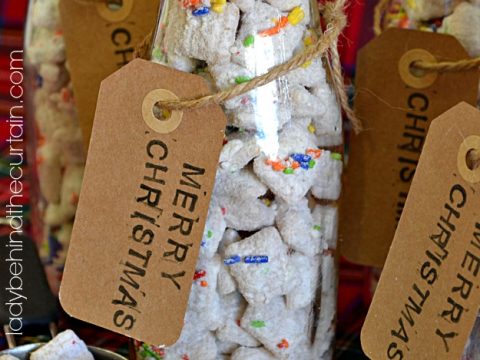
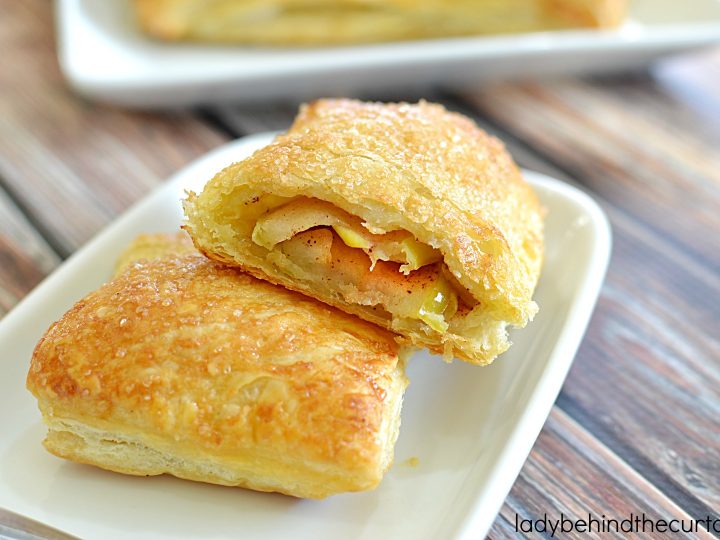
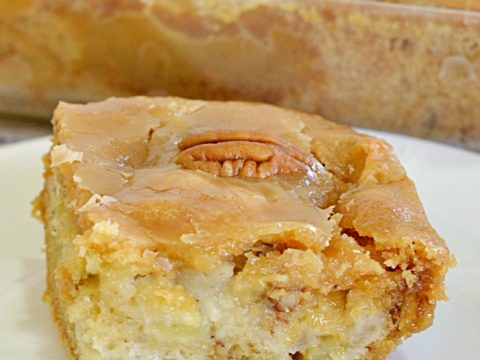
Caramel Apple Cake
An easy to make cake full of sliced apples, spice cake and topped with a hot caramel topping.
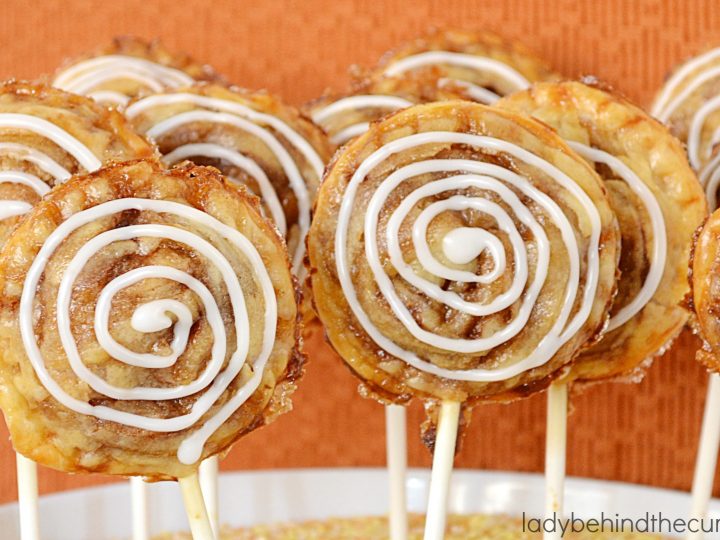
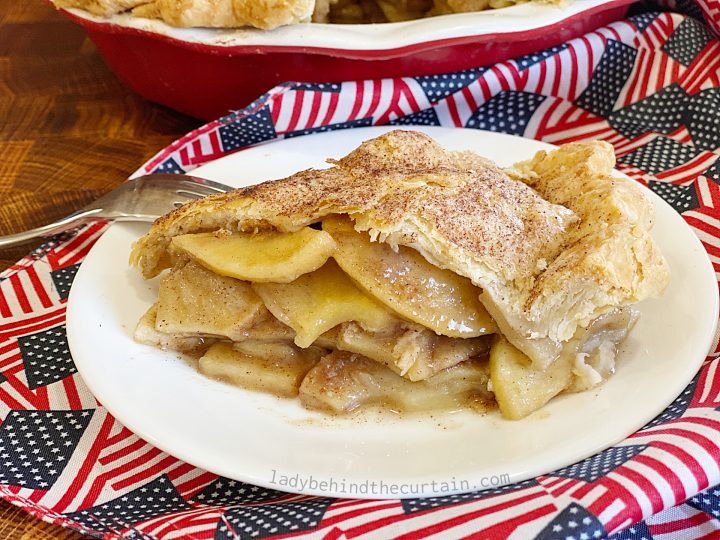
All American Apple Pie
Americas favorite pie piled high with juicy Granny Smith apples, brown sugar and cinnamon.
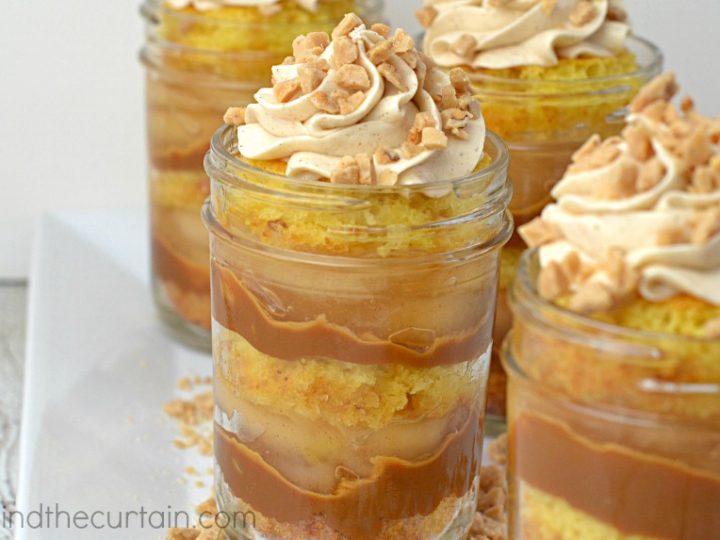
Caramel Apple Pie Cupcakes
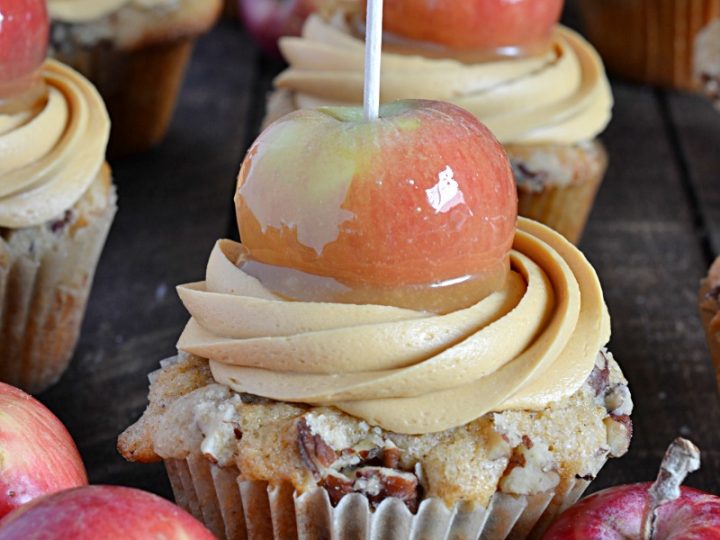
Layers of vanilla and toffee cupcakes with dulce de leche and apple pie filling tucked in between and topped with a cinnamon cream cheese frosting.
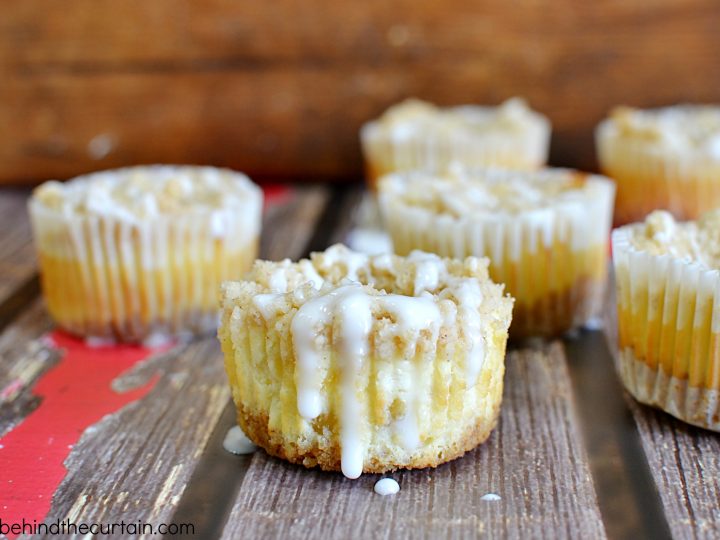
Mini Apple Crumb Cheesecakes
It’s hard to improve on classic apple pie, unless the apples are mixed into a sweet creamy cheesecake!
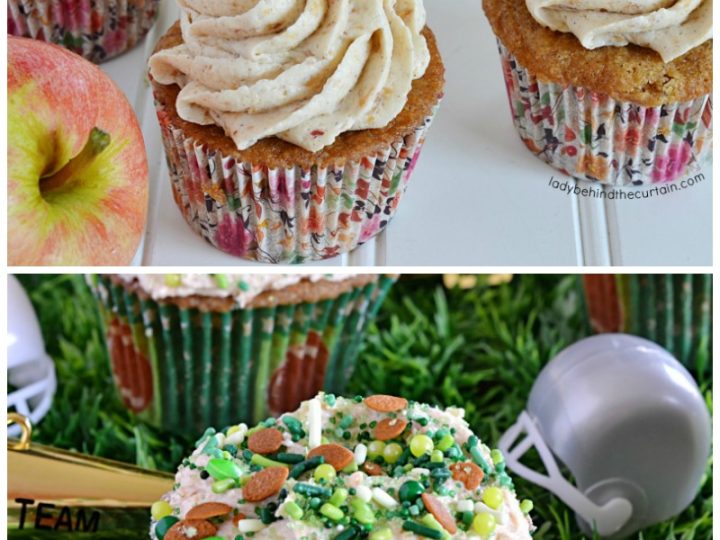
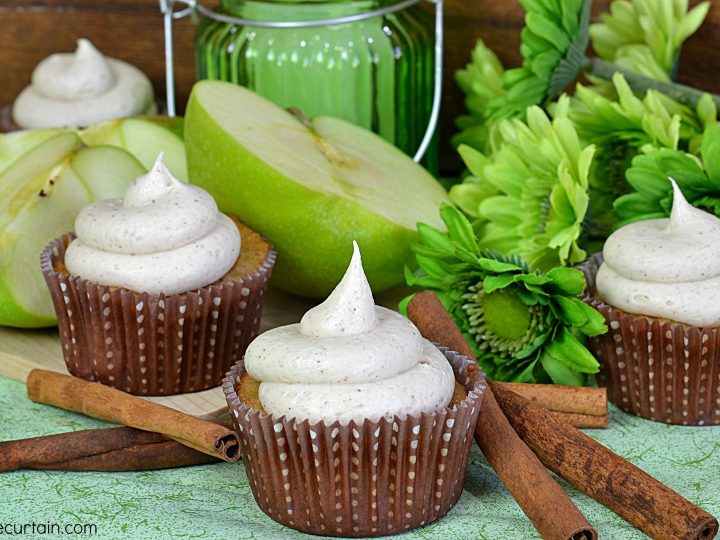
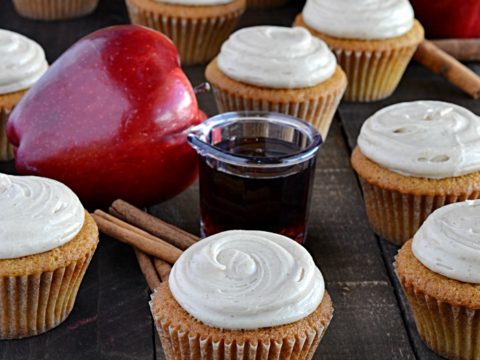
Old Fashioned Apple Spice Cupcakes
Old Fashioned Apple Spice Cupcakes | Your Grandma's famous spice cake recipe turned into cupcakes and topped with a Cinnamon Apple Cream Cheese Butter
LATEST POSTS
- The Ultimate Guide to Crunchy Dessert Toppings: 23 Streusel, Cookie Crumble, and Crunch Recipes
- The Ultimate Bakery-Size Double Chocolate Chip Cookies
- Protected: Large Gourmet Blueberry Muffin Cookies
- FREE Back-to-School Lunchbox Joke Cards
- How to Make Halloween Haunted Chocolate Trees: Spooky Edible Cake Toppers

Comments
The Apple Harvest: The Best Apple Recipes for Fall — No Comments
HTML tags allowed in your comment: <a href="" title=""> <abbr title=""> <acronym title=""> <b> <blockquote cite=""> <cite> <code> <del datetime=""> <em> <i> <q cite=""> <s> <strike> <strong>